Meeting Minutes Form Format Email In New York
Description

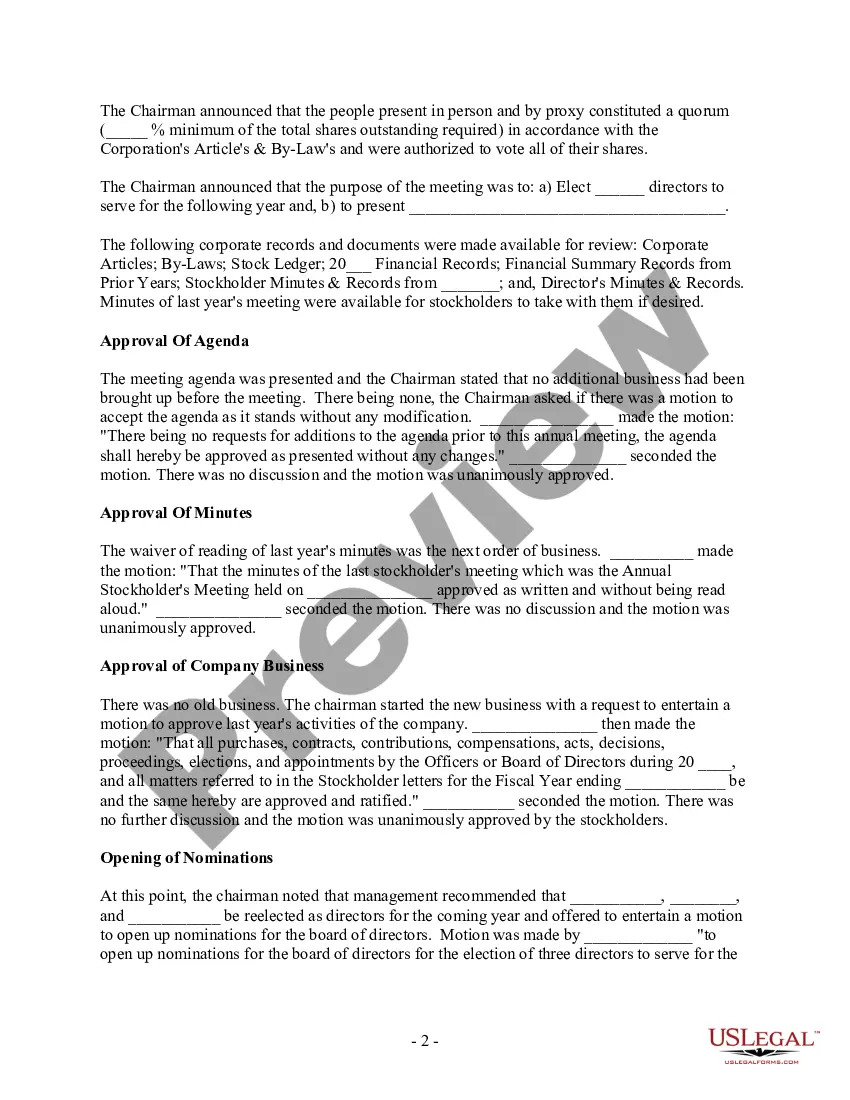
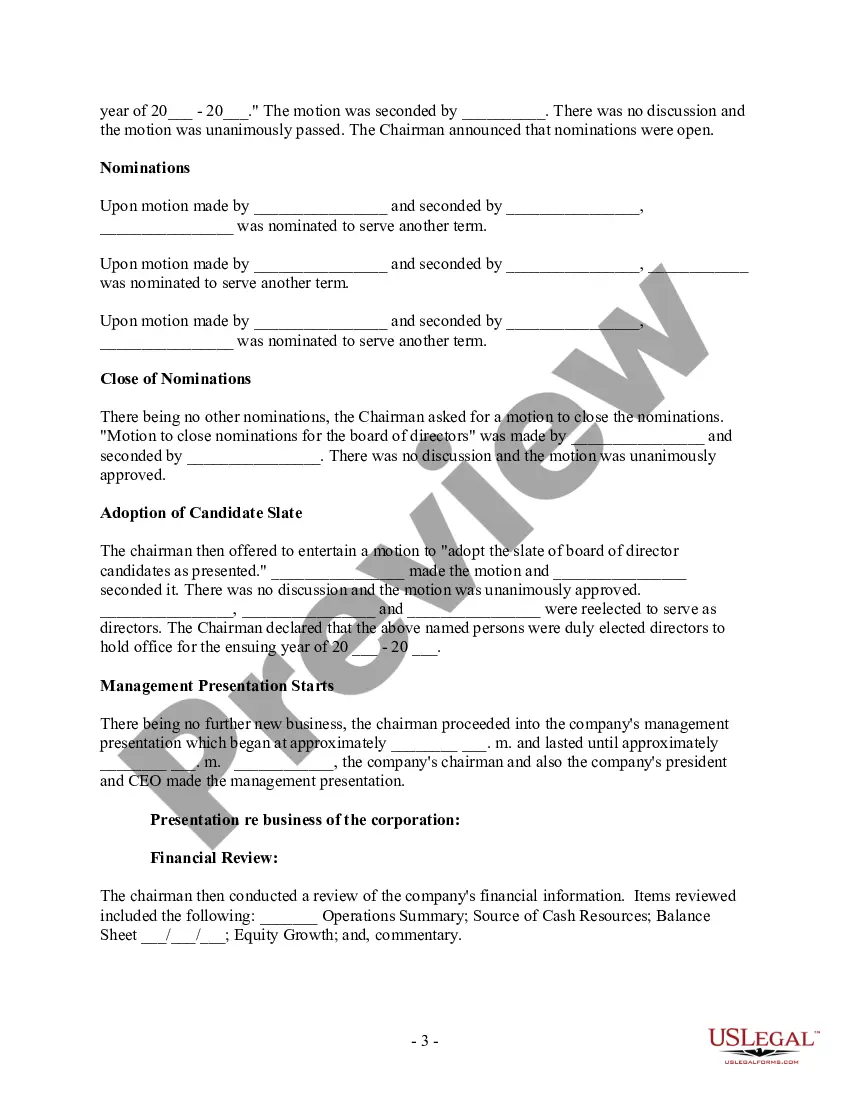
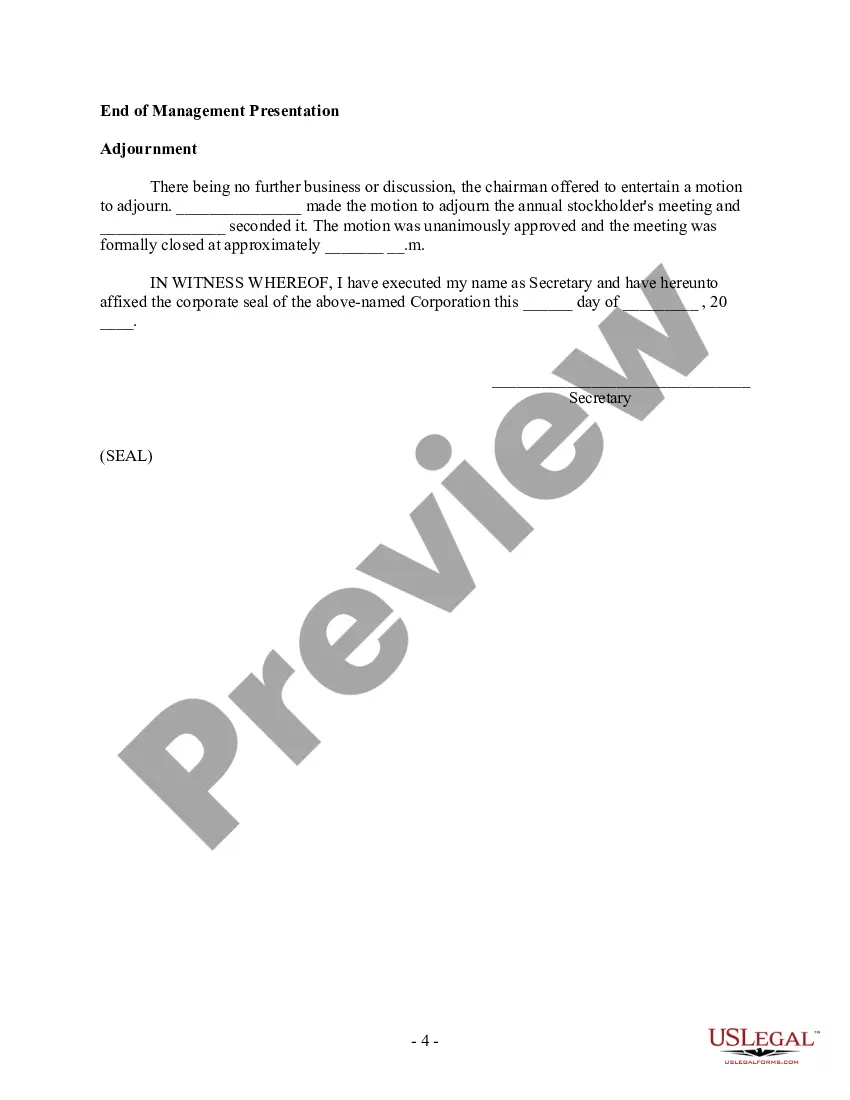



Get your form ready online
Our built-in tools help you complete, sign, share, and store your documents in one place.
Make edits, fill in missing information, and update formatting in US Legal Forms—just like you would in MS Word.
Download a copy, print it, send it by email, or mail it via USPS—whatever works best for your next step.
Sign and collect signatures with our SignNow integration. Send to multiple recipients, set reminders, and more. Go Premium to unlock E-Sign.
If this form requires notarization, complete it online through a secure video call—no need to meet a notary in person or wait for an appointment.
We protect your documents and personal data by following strict security and privacy standards.

Make edits, fill in missing information, and update formatting in US Legal Forms—just like you would in MS Word.

Download a copy, print it, send it by email, or mail it via USPS—whatever works best for your next step.

Sign and collect signatures with our SignNow integration. Send to multiple recipients, set reminders, and more. Go Premium to unlock E-Sign.

If this form requires notarization, complete it online through a secure video call—no need to meet a notary in person or wait for an appointment.

We protect your documents and personal data by following strict security and privacy standards.
Looking for another form?

Form popularity
FAQ
In Outlook, open the meeting for which you want to take notes. Choose Meeting > Meeting Notes. In the Meeting Notes dialog box, do one of the following: To share your meeting notes with others, choose Share notes with the meeting.
Key elements of an effective event follow-up email Personalize the greeting. Express gratitude. Recap the event. Provide valuable content. Keep it concise and clear. Inject personalization. Use compelling event follow-up email subject lines. Incorporate visual elements.
How to send a meeting recap Take notes during the meeting. Decide who should receive the email. Thank everyone for their time. List what was discussed in the meeting. Highlight action items or next steps. Attach supporting documents. Include a reminder of the next meeting date. Proofread and send to recipients.
Minutes of meeting email template Subject: Meeting minutes: Meeting topic - Meeting date Date: Meeting date Time: Start time - End time Location: Meeting location Attendees: Absentees: Agenda. Summary of discussions.
While writing your meeting recap, you should: Include a concise summary of the discussion. Highlight key points and takeaways from your meetings. List the action items, along with who will be responsible for them.
Let's quickly summarize the key points. Write the date, time, location, meeting participants, and their roles. List topics discussed, decisions made, and action items. Use a text summarizer to summarize discussions, main points, and outcomes. Avoid jargon, aiming for summaries understandable by all.
How to Write a Meeting Summary Email After a Meeting Craft a Clear Subject Line. Thank People for Their Time and Effort. Summarize Key Points Covered During the Meeting. Outline Action Items, Deadlines, and Next Steps. Attach or Link to Relevant Resources and Documents. Invite People to Ask Questions or Reconvene.
The format for a meeting depends on the meeting type and style. While there is no set format for meeting minutes, templates provide guidelines for essential information that should be included in your documentation.
In Outlook, open the meeting for which you want to take notes. Choose Meeting > Meeting Notes. In the Meeting Notes dialog box, do one of the following: To share your meeting notes with others, choose Share notes with the meeting.
What Should Be Included in Meeting Minutes? Date and time of the meeting. Names of the meeting participants and those unable to attend (e.g., “regrets”) Acceptance or corrections/amendments to previous meeting minutes. Decisions made about each agenda item, for example: Actions taken or agreed to be taken. Next steps.
