Requesting Discovery Form For Work In Chicago
Description
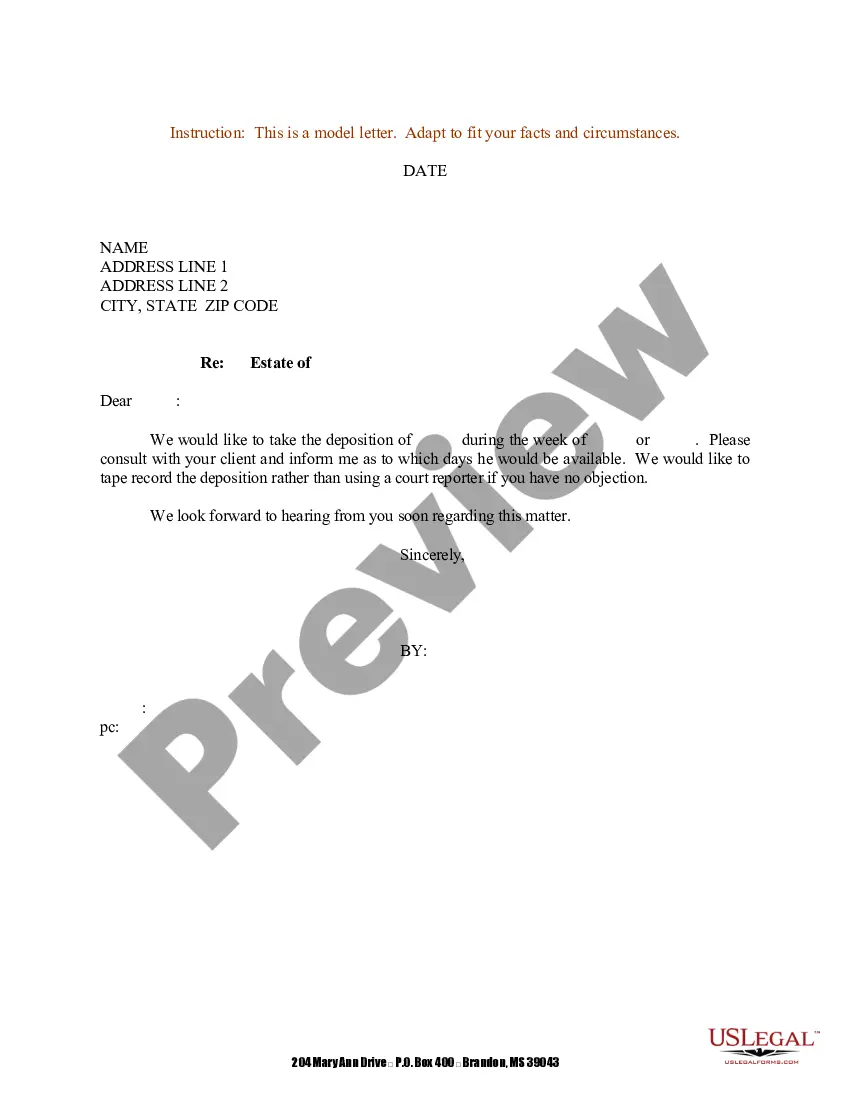
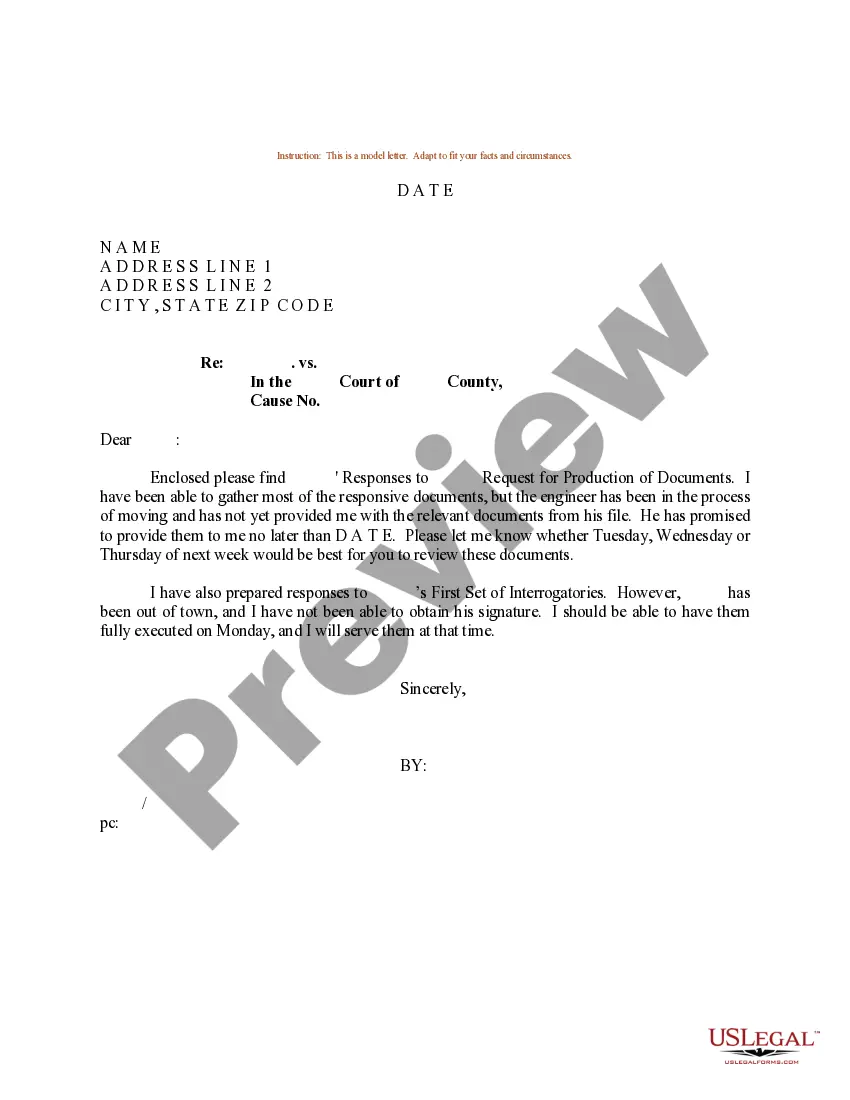
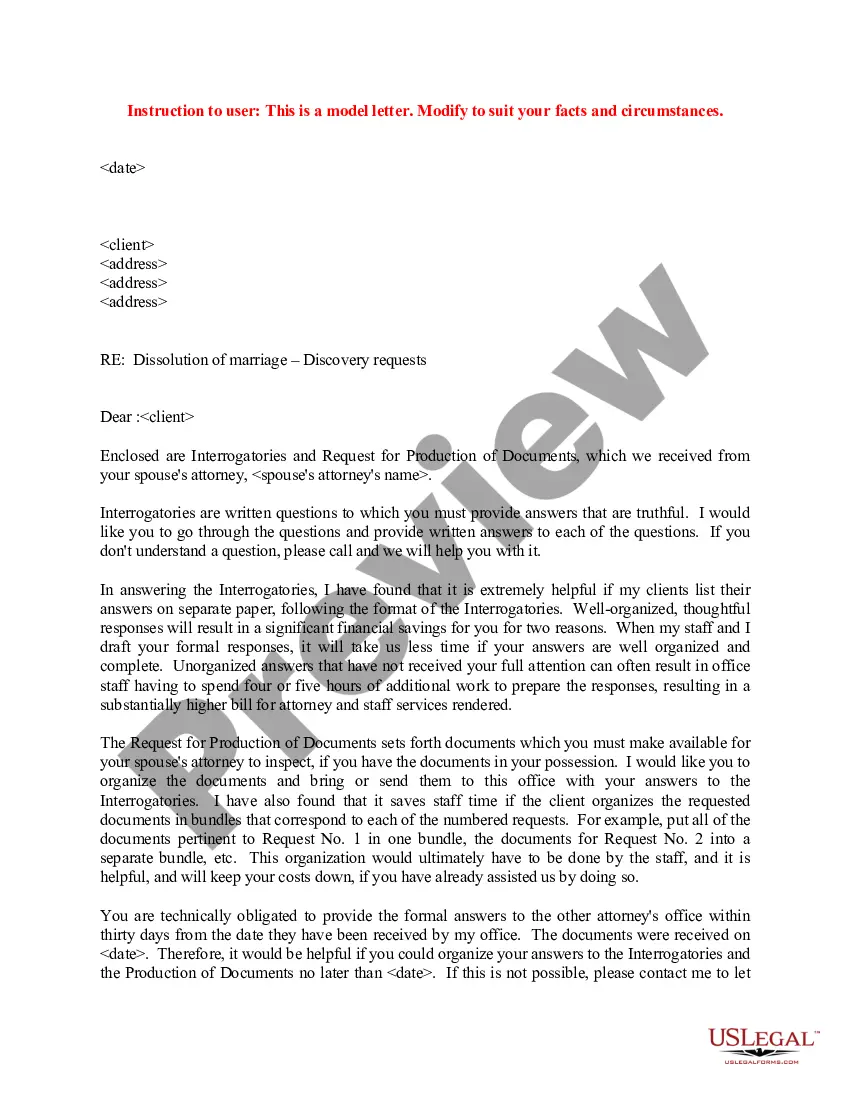
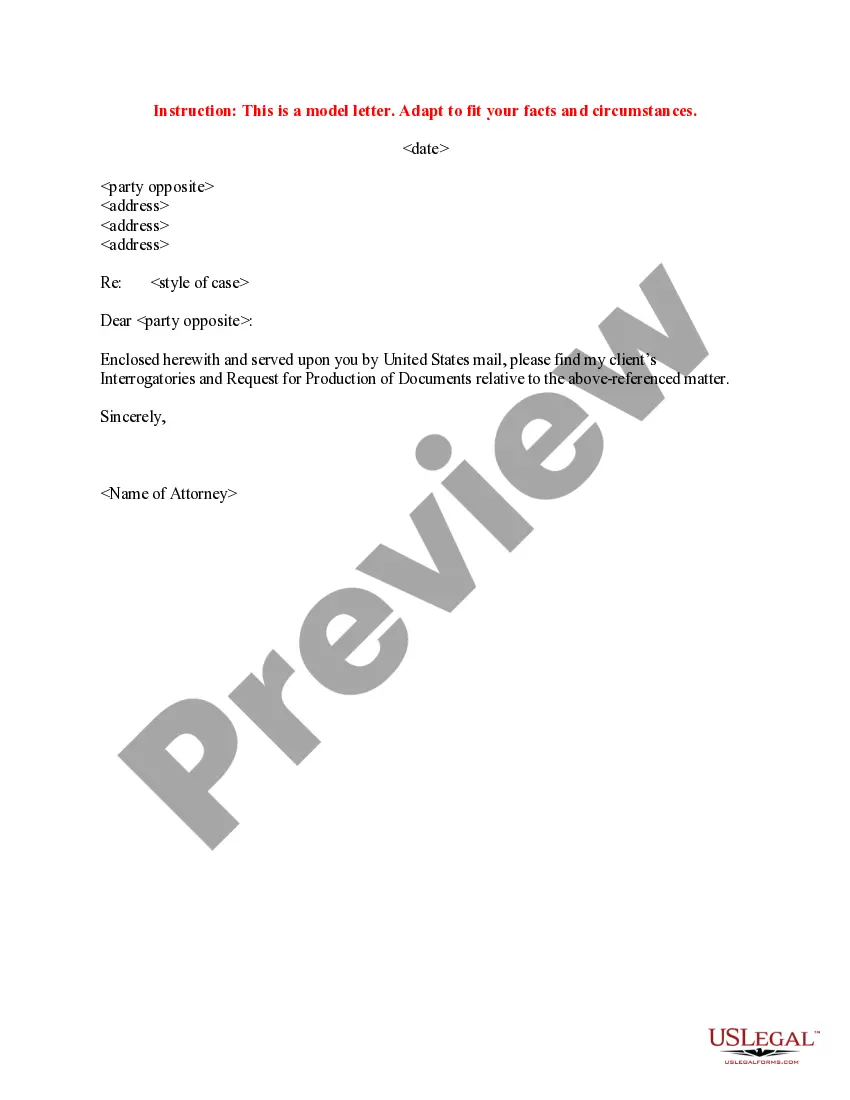
Get your form ready online
Our built-in tools help you complete, sign, share, and store your documents in one place.
Make edits, fill in missing information, and update formatting in US Legal Forms—just like you would in MS Word.
Download a copy, print it, send it by email, or mail it via USPS—whatever works best for your next step.
Sign and collect signatures with our SignNow integration. Send to multiple recipients, set reminders, and more. Go Premium to unlock E-Sign.
If this form requires notarization, complete it online through a secure video call—no need to meet a notary in person or wait for an appointment.
We protect your documents and personal data by following strict security and privacy standards.

Make edits, fill in missing information, and update formatting in US Legal Forms—just like you would in MS Word.

Download a copy, print it, send it by email, or mail it via USPS—whatever works best for your next step.

Sign and collect signatures with our SignNow integration. Send to multiple recipients, set reminders, and more. Go Premium to unlock E-Sign.

If this form requires notarization, complete it online through a secure video call—no need to meet a notary in person or wait for an appointment.

We protect your documents and personal data by following strict security and privacy standards.
Looking for another form?

Form popularity
FAQ
The requesting party must include a due date for the response. This timeline cannot be less than 28 days. The party who receives the request must copy and provide the documents like they are normally kept.
The Benefits of Discovery for Both Plaintiffs and Defendants Helps plaintiffs and defendants understand the legal issues at play in the case and better prepare for trial. During discovery, each party can obtain facts from the other through requests for admission, interrogatories, documents, depositions, and more.
All dates set for the disclosure of witnesses, including rebuttal witnesses, and the completion of discovery shall be chosen to ensure that discovery will be completed not later than 60 days before the date on which the trial court reasonably anticipates that trial will commence, unless otherwise agreed by the parties.
It is the intent of this rule that a party must produce all responsive documents, objects or tangible things in its possession, and fully disclose the party's knowledge of the existence and location of responsive documents, objects or tangible things not in its possession so as to enable the requesting party to obtain ...
Persons or entities so named as respondents in discovery shall be required to respond to discovery by the plaintiff in the same manner as are defendants and may, on motion of the plaintiff, be added as defendants if the evidence discloses the existence of probable cause for such action.
Write out each fact you wish the other party to admit is true. When writing these facts, be as clear and concise as possible. Each request must be for a single fact; do not include multiple facts, compound questions, or subparts.
The Discovery Rule and Statutes of Repose In Illinois, the statute of repose for medical malpractice is four years from the occurrence. Using our knee replacement example above, the patient must file a claim within two years of discovery.

