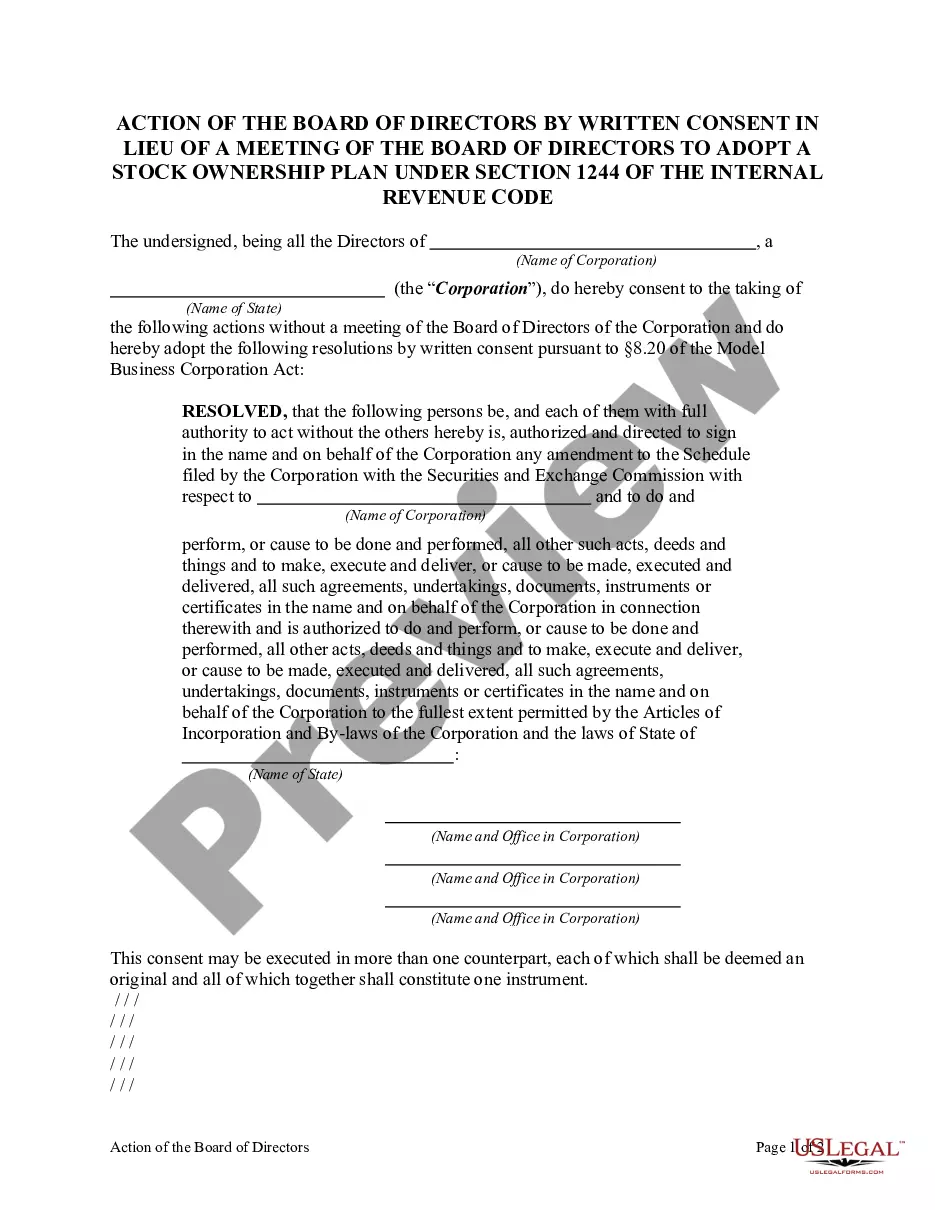
Material Request Form For Construction Company In Florida
Description


Form popularity
FAQ
Request forms allow you to capture work requests as they come in. These forms also enable you to establish a formal process for submitting, tracking, evaluating, and implementing those requests. Using request forms, project teams can successfully control the entire end-to-end work request process.
A material requisition, also known as a materials requisition form, or a material request, is a document used by the production department to request materials they need to complete a manufacturing process.
A material requisition form is an official document that allows employees to request for necessary materials needed to perform their tasks at the workplace. With this form, employees can request various materials depending on the need and occasion.
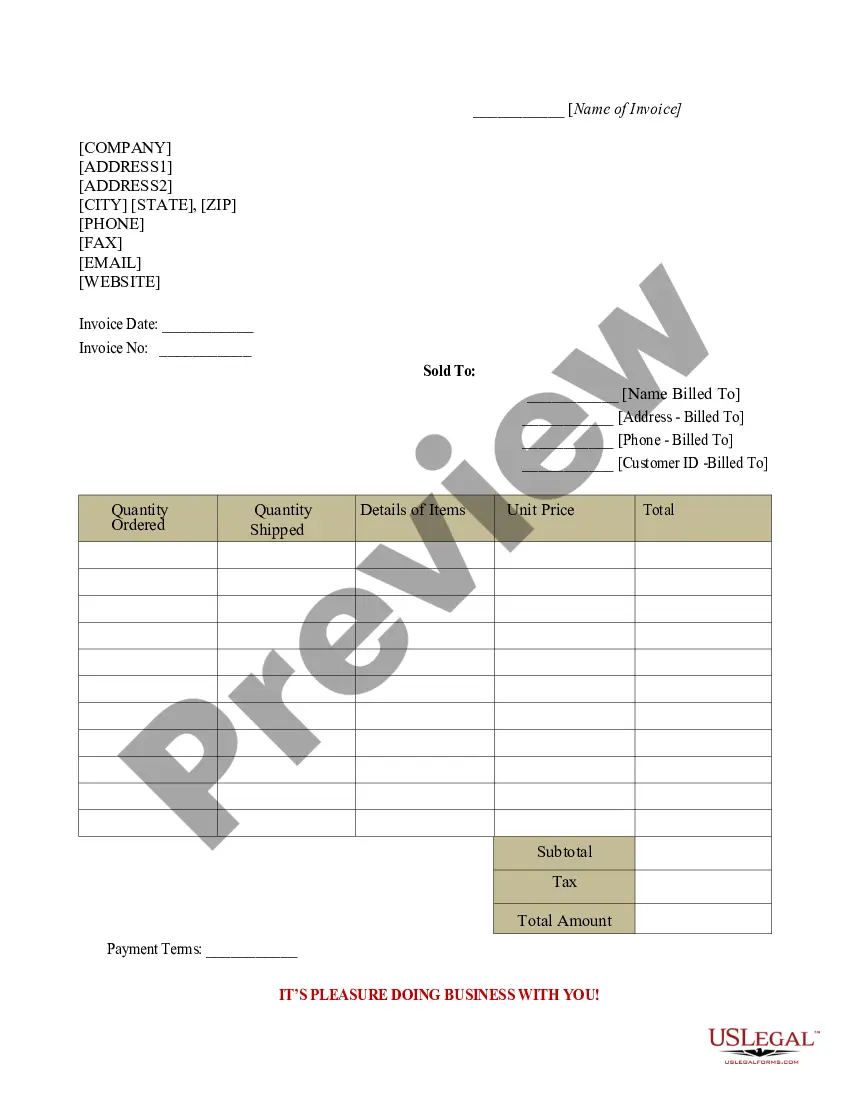
Record all request details such as the reason, the type and quantity of the materials, the delivery information and more. Add photos of the materials and other attachments to the material request form. Use e-signatures to capture requestor, approver, and purchaser sign-offs.
If you wish to file a complaint against a contractor, you may contact the Department of Business & Professional Regulation online at .myfloridalicense or by phone at (850) 487-1395.
In Florida, the construction industry is vast, including many common trade jobs, such as carpentry, roofing, painting, and HVAC installation. If you are a trade worker operating alone in a sole proprietorship in Florida, you will need Workers' Compensation insurance if you are also part of the construction industry.
This industry includes businesses engaged in the construction of buildings, roads, residential or other engineering projects. Projects typically include contractors and sub-contractors for new work, additions, alterations or maintenance and repairs.
In order to do construction work legally, you need to be licensed as a contractor, and you also need to be insured against potential damage or injuries on site. You can do this by first taking an approved pre-license course and passing the state exam.
The Construction Industry Licensing Board is responsible for licensing and regulating the construction industry. The board meets regularly to consider applications for licensure, to review disciplinary cases, and to conduct informal hearings relating to licensure and discipline.
Unlike many other businesses, construction companies deal with physical infrastructure and project work. While many businesses have a set physical location, a construction company has many different sites operating at once.