Requesting Discovery Form With Court In Ohio
Description
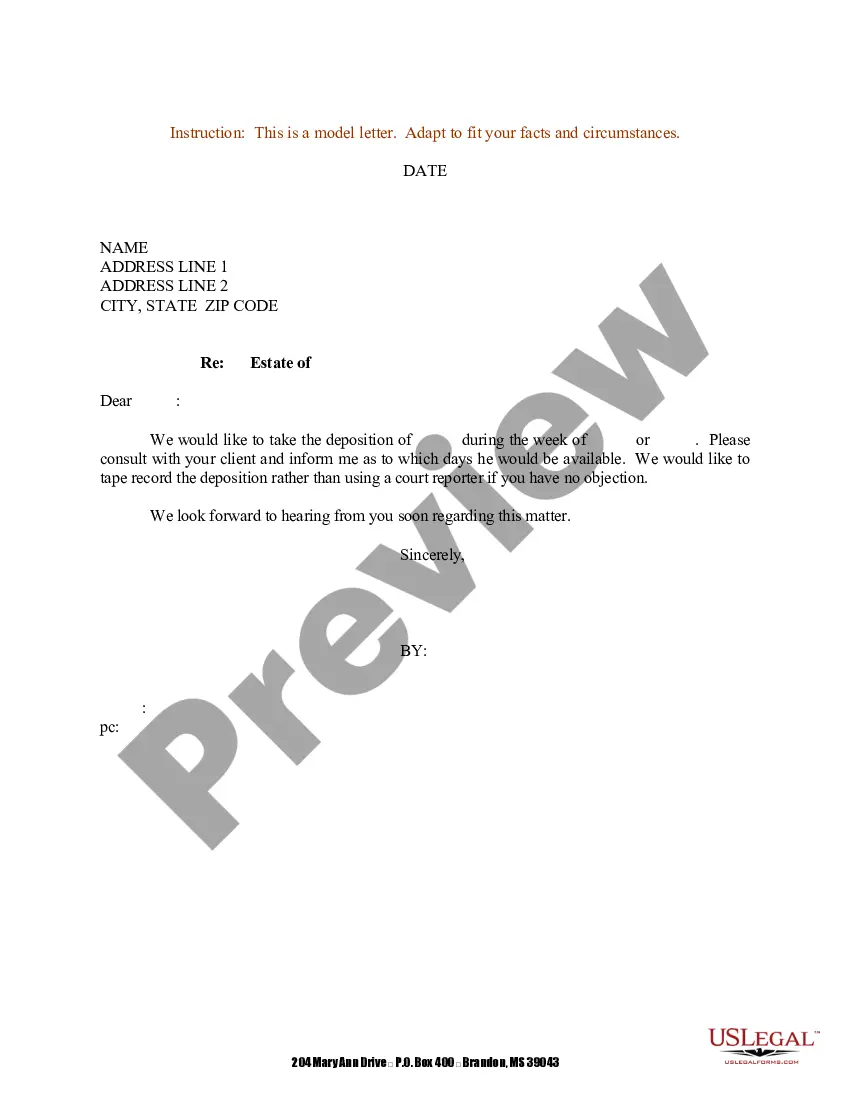
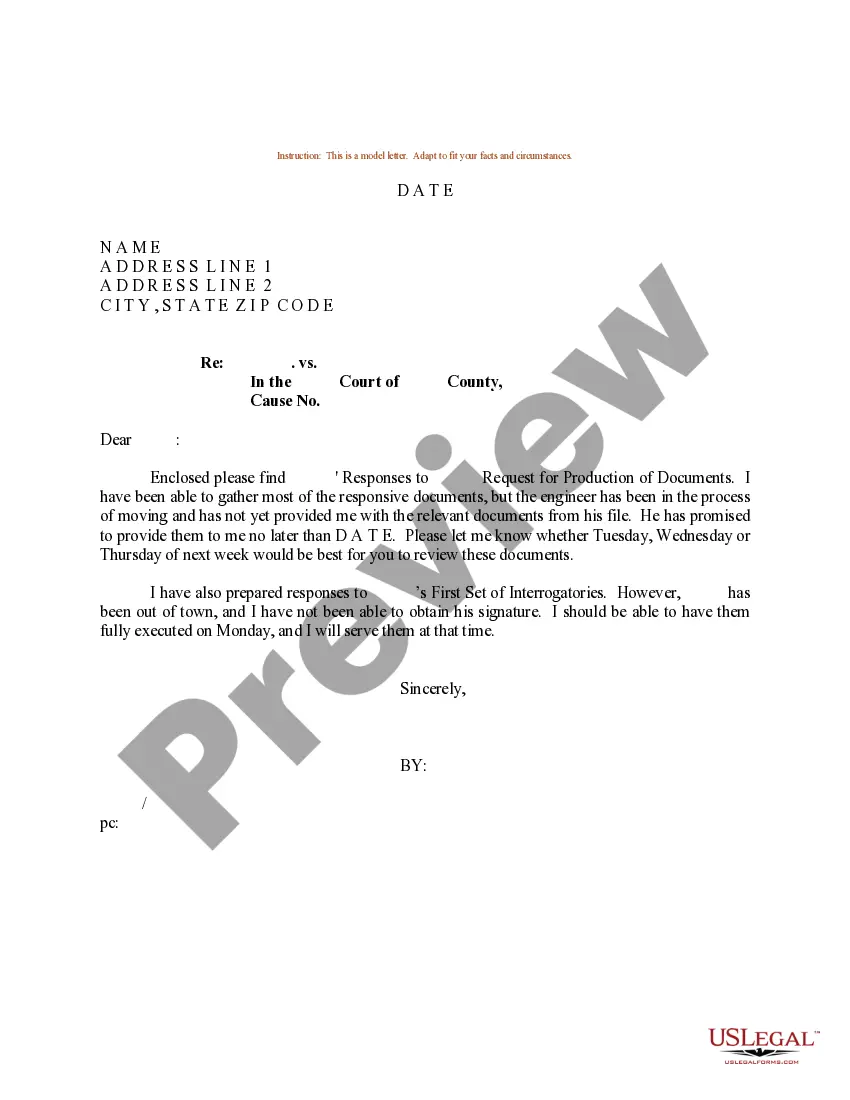
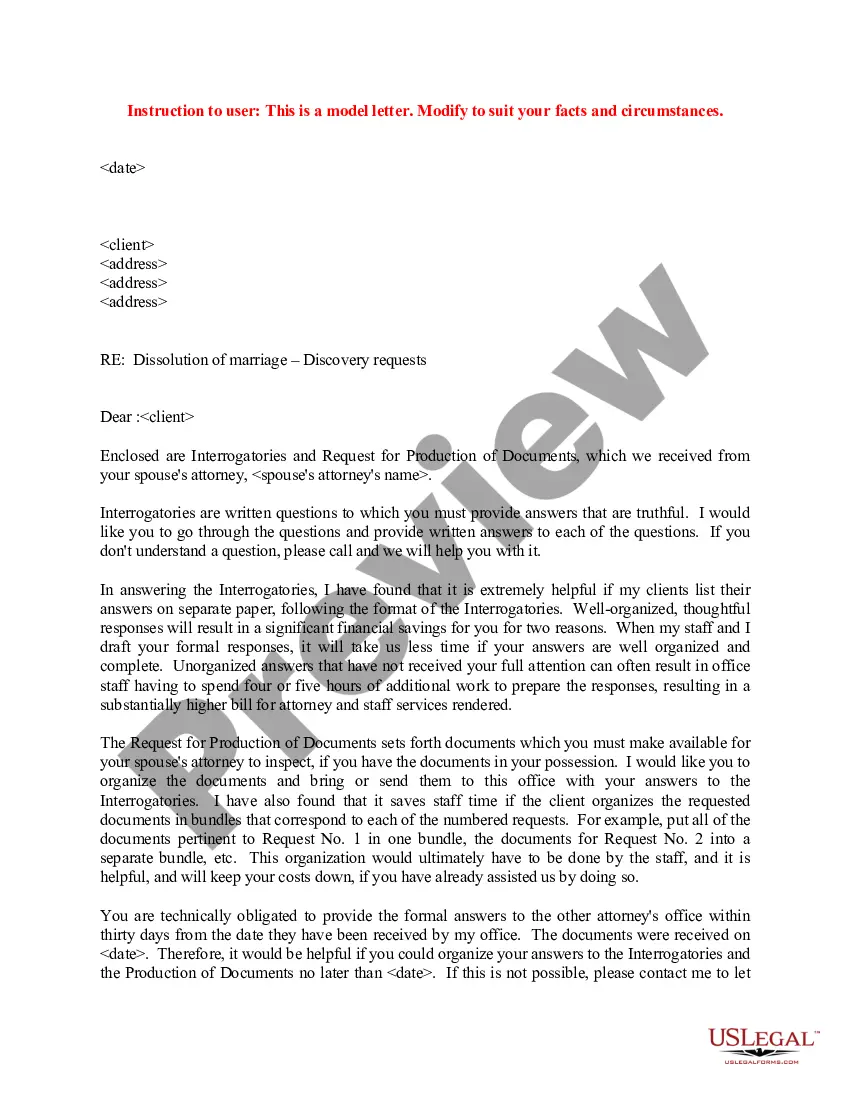
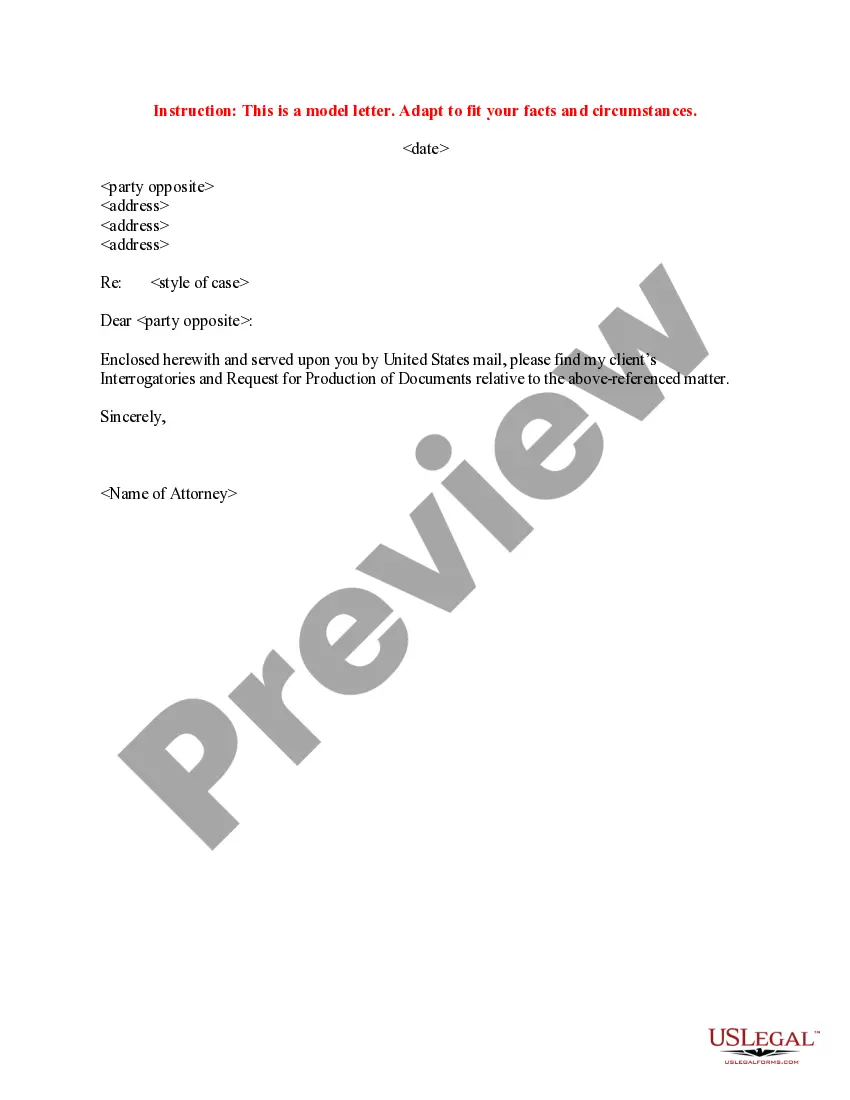
Get your form ready online
Our built-in tools help you complete, sign, share, and store your documents in one place.
Make edits, fill in missing information, and update formatting in US Legal Forms—just like you would in MS Word.
Download a copy, print it, send it by email, or mail it via USPS—whatever works best for your next step.
Sign and collect signatures with our SignNow integration. Send to multiple recipients, set reminders, and more. Go Premium to unlock E-Sign.
If this form requires notarization, complete it online through a secure video call—no need to meet a notary in person or wait for an appointment.
We protect your documents and personal data by following strict security and privacy standards.
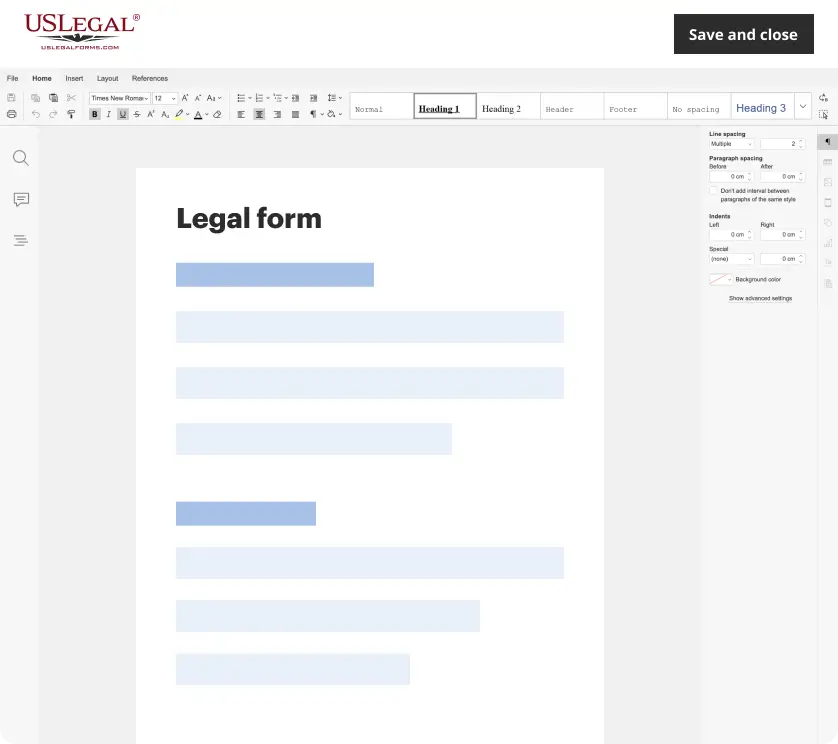
Make edits, fill in missing information, and update formatting in US Legal Forms—just like you would in MS Word.
Download a copy, print it, send it by email, or mail it via USPS—whatever works best for your next step.
Sign and collect signatures with our SignNow integration. Send to multiple recipients, set reminders, and more. Go Premium to unlock E-Sign.
If this form requires notarization, complete it online through a secure video call—no need to meet a notary in person or wait for an appointment.
We protect your documents and personal data by following strict security and privacy standards.
Looking for another form?

Form popularity
FAQ
This rule is to provide all parties in a criminal case with the information necessary for a full and fair adjudication of the facts, to protect the integrity of the justice system and the rights of defendants, and to protect the well-being of witnesses, victims, and society at large.
RULE 408. Evidence of conduct or statements made in compromise negotiations is likewise not admissible. This rule does not require the exclusion of any evidence otherwise discoverable merely because it is presented in the course of compromise negotiations.
Bases of Opinion Testimony by Experts. The facts or data in the particular case upon which an expert bases an opinion or inference may be those perceived by or made known to the expert at or before the hearing.
Rule 32 - Use of Depositions in Court Proceedings (A) Use of depositions. Every deposition intended to be presented as evidence must be filed at least one day before the day of trial or hearing unless for good cause shown the court permits a later filing.
Rule 26 - General Provisions Governing Discovery (A)Policy; discovery methods It is the policy of these rules (1) to preserve the right of attorneys to prepare cases for trial with that degree of privacy necessary to encourage them to prepare their cases thoroughly and to investigate not only the favorable but the ...
Steps Of The Discovery Process. There are four key actions in the discovery process which include interrogatories, request for documents, request for admissions, and depositions.
26. Physical property, other than contraband, as defined by statute, under the control of a Prosecuting Attorney for use as evidence in a hearing or trial should be returned to the owner at the earliest possible time.
Rule 46 - Exceptions Unnecessary. An exception at any stage or step of the case or matter is unnecessary to lay a foundation for review whenever a matter has been called to the attention of the court by objection, motion, or otherwise and the court has ruled thereon.
Ohio Rule of Evidence 1002 provides that, To prove the content of a writing, recording, or photograph, the original writing, recording, or photograph is required, except as otherwise provided in these rules or by statute enacted by the General Assembly not in conflict with a rule of the Supreme Court of Ohio.

