Contract Law In Rwanda In Hillsborough
Description






Form popularity
FAQ
The notice period for termination is determined by the employee's length of service: For employees with less than one year of service, a minimum of 15 days' notice is required. For employees with more than one year of service, a minimum of 30 days' notice is required.
Ing to a 2022 survey by a legal staffing agency, there has been a notable increase in demand for contract attorneys, especially in areas like litigation support, compliance, and corporate law.
First, to become a contract attorney, one must earn a bachelor's degree and graduate with good grades. It is recommended, but not required, to earn a degree in a legally-related field, such as criminal justice or political science. Before applying for law school, you must take the LSAT and get a good score.
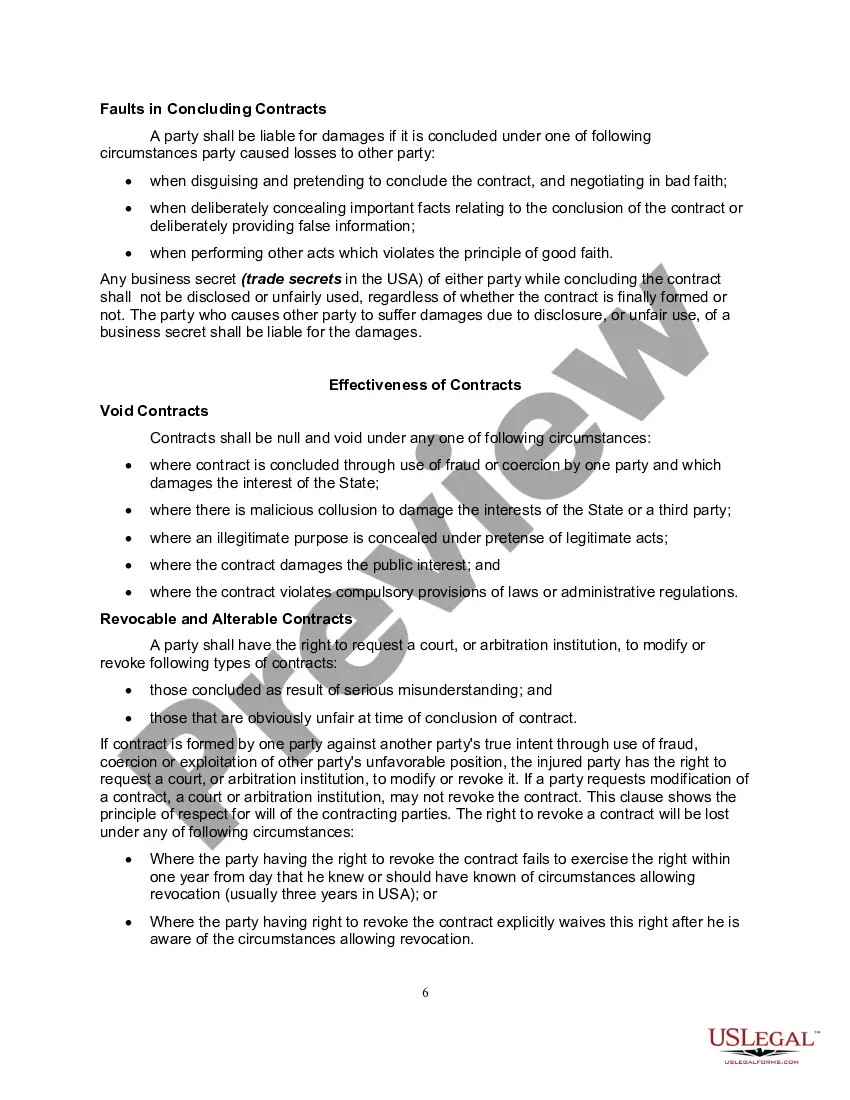
The basic elements required for the agreement to be a legally enforceable contract are: mutual assent, expressed by a valid offer and acceptance; adequate consideration; capacity; and legality. In some states, elements of consideration can be satisfied by a valid substitute.
Like your bachelor's degree, the JD is another degree and that means more schooling. While a bachelor's degree usually takes 4 years to complete, the JD takes 3 years. This means that you need to set aside at least seven years of schooling to become any kind of lawyer.
Requirements Bachelor's Degree with a good GPA (preferably in a pre-law track, but not required) Juris Doctorate Degree (J.D.) MPRE and State Bar Exam passage. Admittance to the State Bar. Specialized experience in contract law.
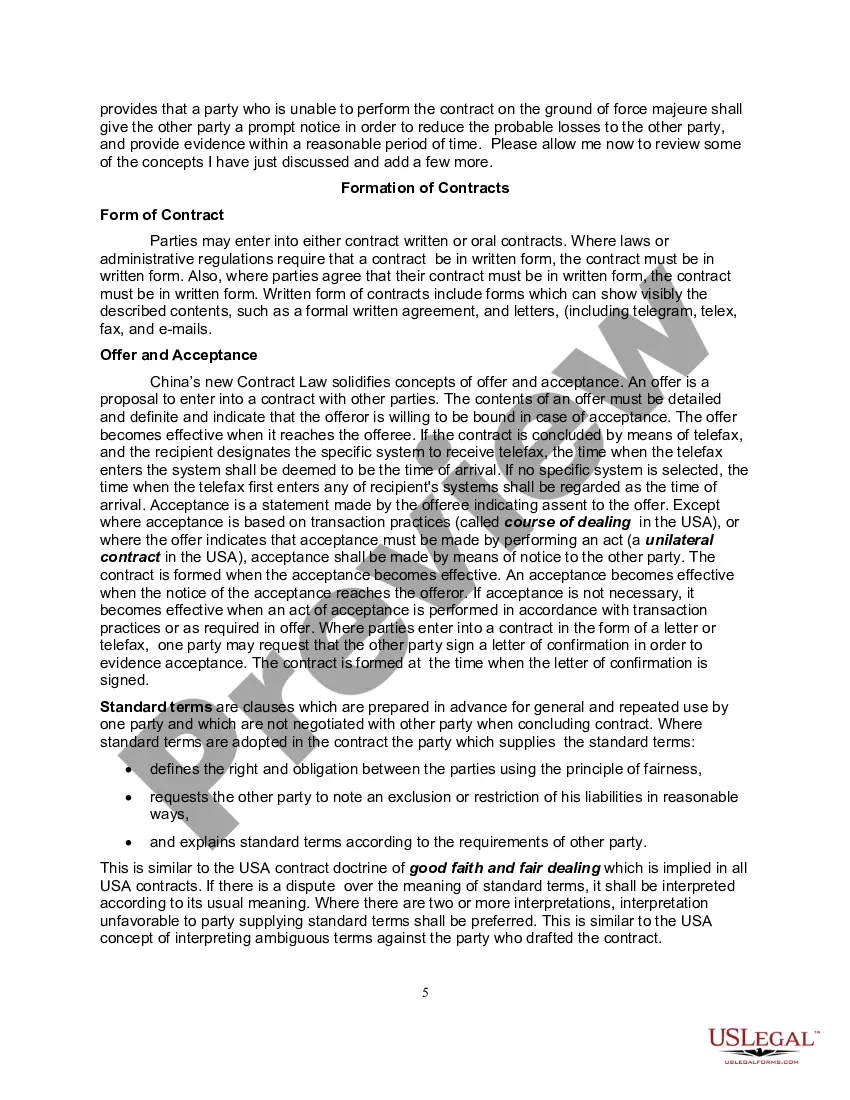
Offer and Acceptance The most basic rule of contract law is that a legal contract exists when one party makes an offer and the other party accepts it. For most types of contracts, this can be done either orally or in writing.
Contract exams are not as transactional as criminal law or torts, so many law students find them more difficult. There are a lot of interlocking pieces on a contract law exam. Generally, the exam has one to three contracts at issue and you must analyze those in great depth.
There are four essential elements of forming a contract: offer, acceptance, consideration, and intention to create legal relations. Beyond this, the terms of the contract must also be unambiguous, and the parties must have the mental capacity to agree.
You cannot form a valid contract in Florida without consideration. Both parties must give “consideration” for a contract to be formed. If one party does not receive consideration as part of the agreement, only a mere promise has been made. Promises are not enforceable in Florida.