Contract Law In India In Maryland
Description



Form popularity
FAQ
Evidence can include the written contract, emails or communications between the parties, and any other documents that show the breach occurred. Once the evidence has been gathered, the non-breaching party can file a lawsuit in the appropriate court. In Maryland, breach of contract claims are often heard in civil court.
You can always have a contract notarized to give it more solemnity and to impress upon the parties the seriousness of the transaction, but notarization is not always required to make a document enforceable.
Many contracts, such as simple sales agreements or employment agreements, do not need to be notarized to be legally binding. The requirement varies based on the contract type and jurisdiction. However, some contracts like real estate transfers or powers of attorney may require notarization by law.
A notarized agreement is not admissible in a court of law. There is no legal mandate to notarize an agreement in India.
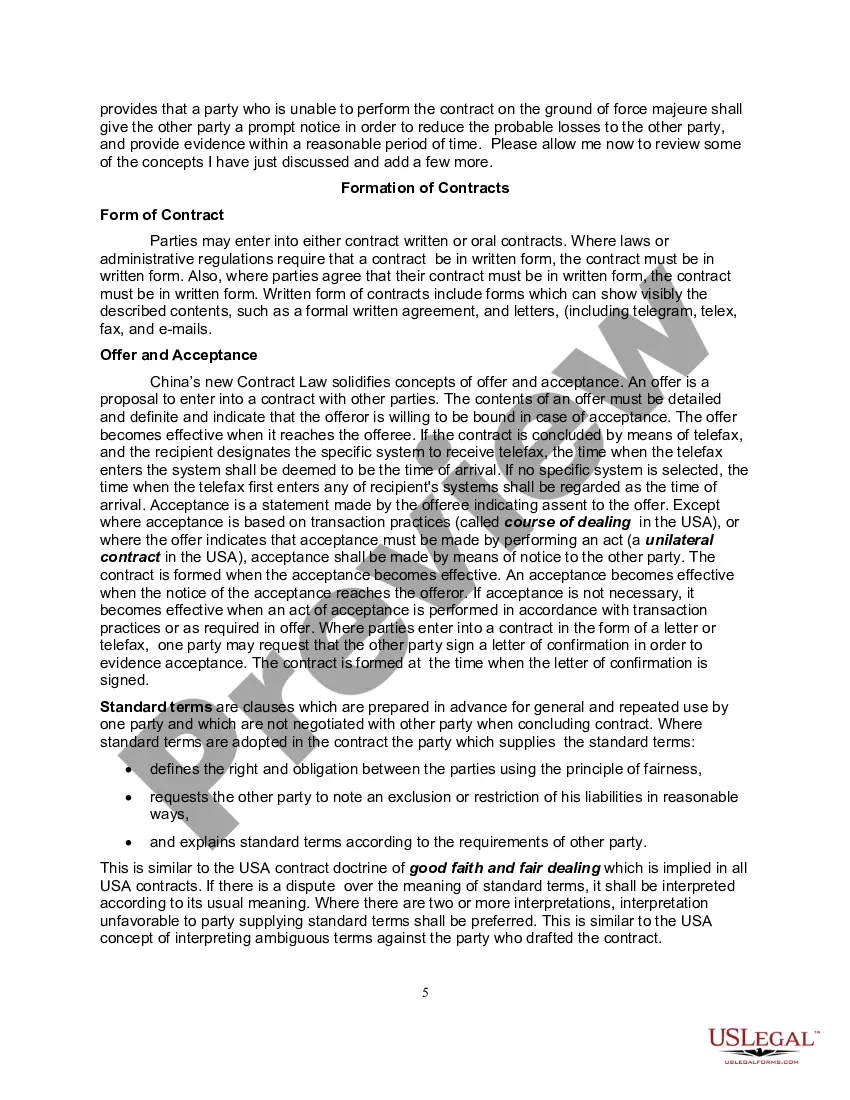
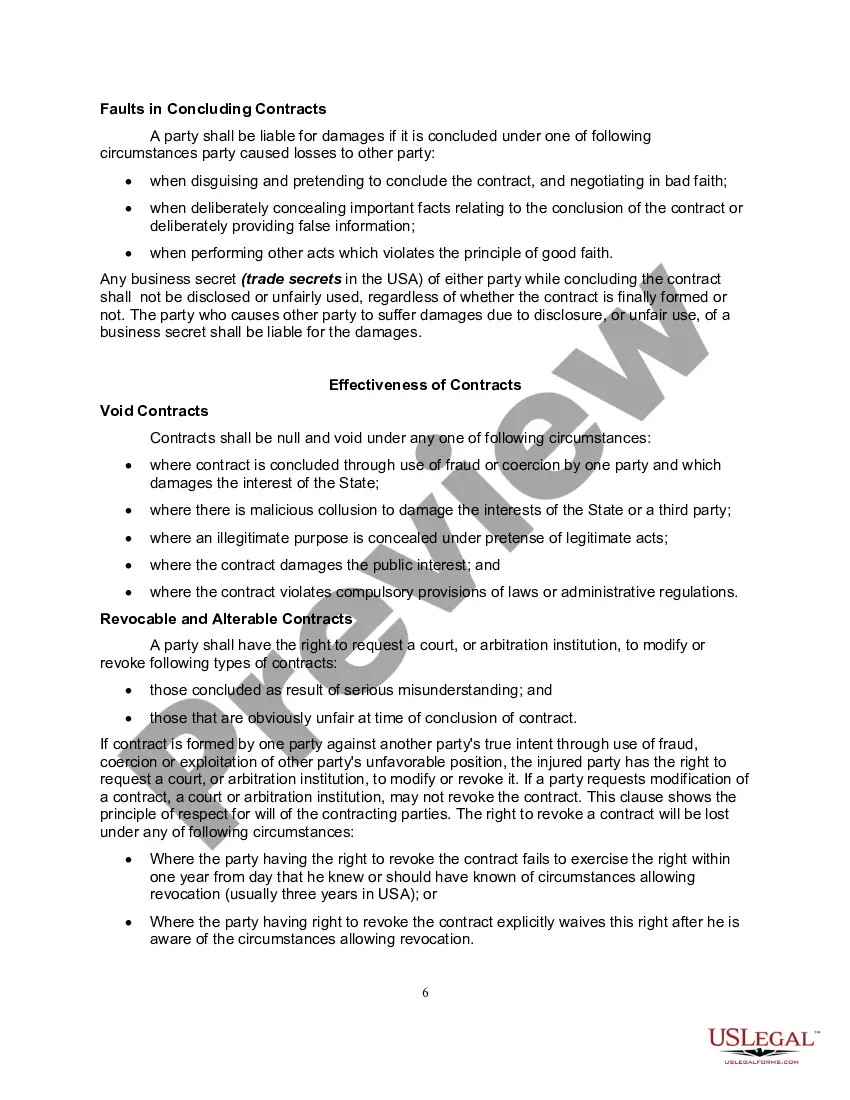
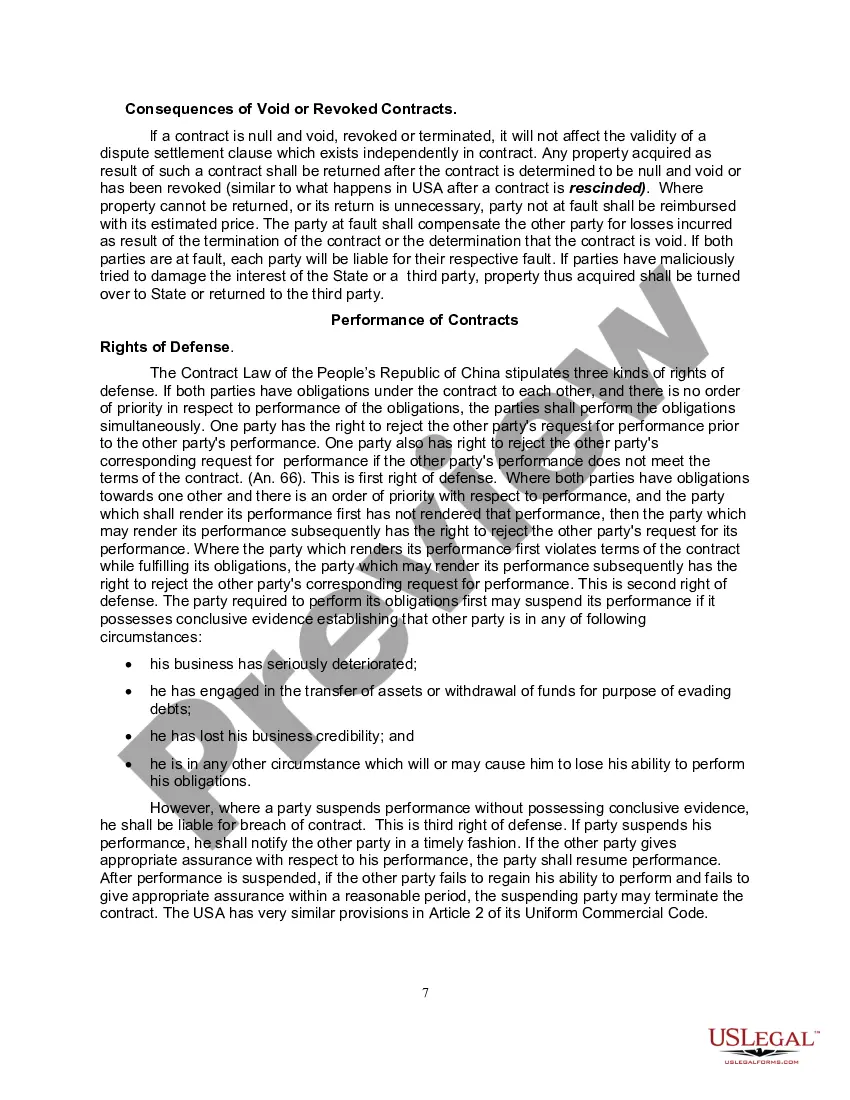
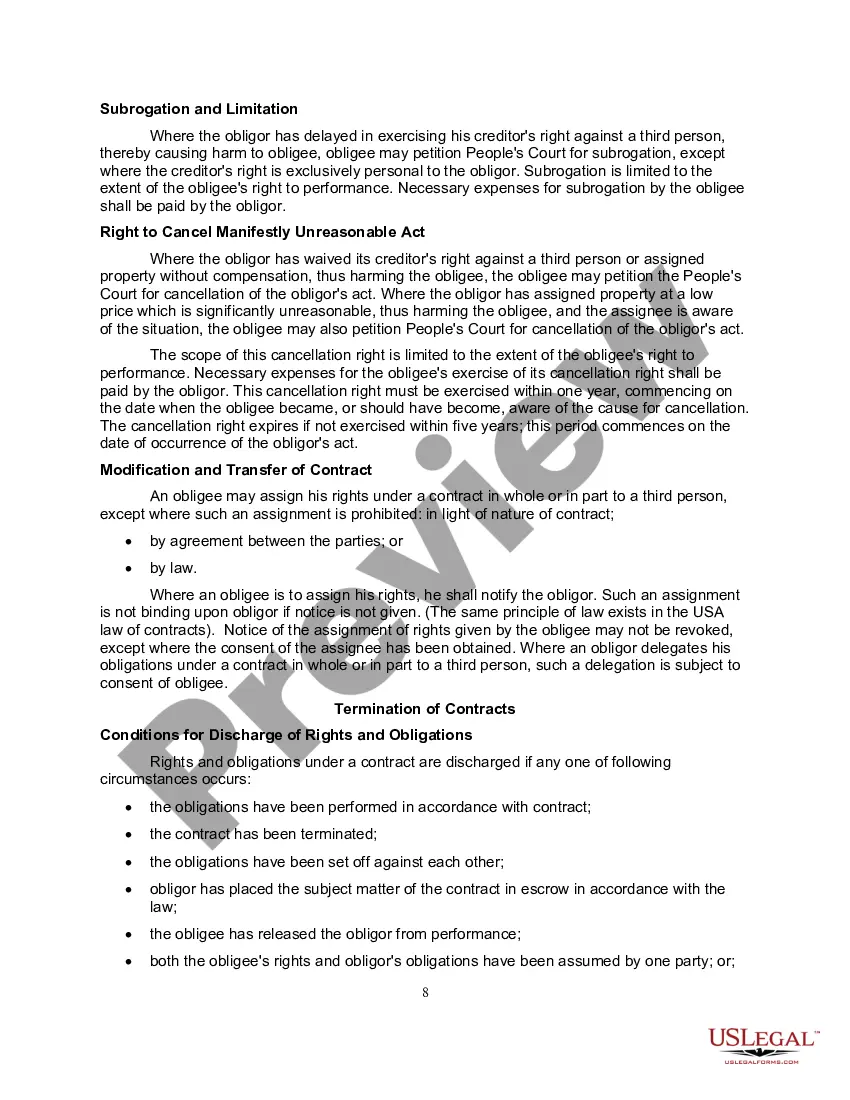
It is applicable to all the states of India. It determines the circumstances in which promises made by the parties to a contract shall be legally binding. Under Section 2(h), the Indian Contract Act defines a contract as an agreement enforceable by Law.
Under the Indian law, it is not mandatory to notarise all legal documents. However, in some cases it is compulsory for the document to be valid in court otherwise the court can render it legally unenforceable or invalid.
Contracts only need (1) a meeting of the minds as to the terms, and (2) exchange of goods and/or services which each party considers to have some non-zero value (called “consideration”). So, yes, you can write a contract for yourself. You don't need an attorney.
Notarized documents can be considered valid and binding unless there are specific statutory provisions that declare them void. For instance, a notarized lease agreement was deemed insufficient when a registered document was required Prashant S/o Gulabrao Kamble VS Indian Oil Corporation Limited - Bombay00400070644.
The basic elements required for the agreement to be a legally enforceable contract are: mutual assent, expressed by a valid offer and acceptance; adequate consideration; capacity; and legality. In some states, elements of consideration can be satisfied by a valid substitute.
Contract execution requires participation from all parties. However, the signatory authorities are the most important participants at this stage. That said, anyone who signs a contract on behalf of a company must have the legal authority to bind the organization to a business agreement.