Contract Law In Rwanda In Pennsylvania
Description






Form popularity
FAQ
The “Castle Doctrine” Building on these laws, Pennsylvania has instituted what is known as the “Castle Doctrine.” The Castle Doctrine states that it is assumed deadly force is reasonable in three specific cases: If someone is in the process of unlawfully entering your home, work, or occupied vehicle.
Adverse Possession & the Doctrine of Consentable Lines This doctrine holds that when adjoining landowners, by mistake or compromise, have established a mutually respected boundary (differing from that in their deeds) over a 21-year period, that established boundary becomes the new property line.
The basic elements required for the agreement to be a legally enforceable contract are: mutual assent, expressed by a valid offer and acceptance; adequate consideration; capacity; and legality. In some states, elements of consideration can be satisfied by a valid substitute.
Pennsylvania's Right to Know Law (RTKL) gives people access to the public records of government agencies. Read the Department of the Auditor General's RTKL policy.
Section 708. Exceptions for public records. (1) The burden of proving that a record of a Commonwealth agency or local agency is exempt from public access shall be on the Commonwealth agency or local agency receiving a request by a preponderance of the evidence.
First, to become a contract attorney, one must earn a bachelor's degree and graduate with good grades. It is recommended, but not required, to earn a degree in a legally-related field, such as criminal justice or political science. Before applying for law school, you must take the LSAT and get a good score.
Right-to-Know Law Requests (RTK)
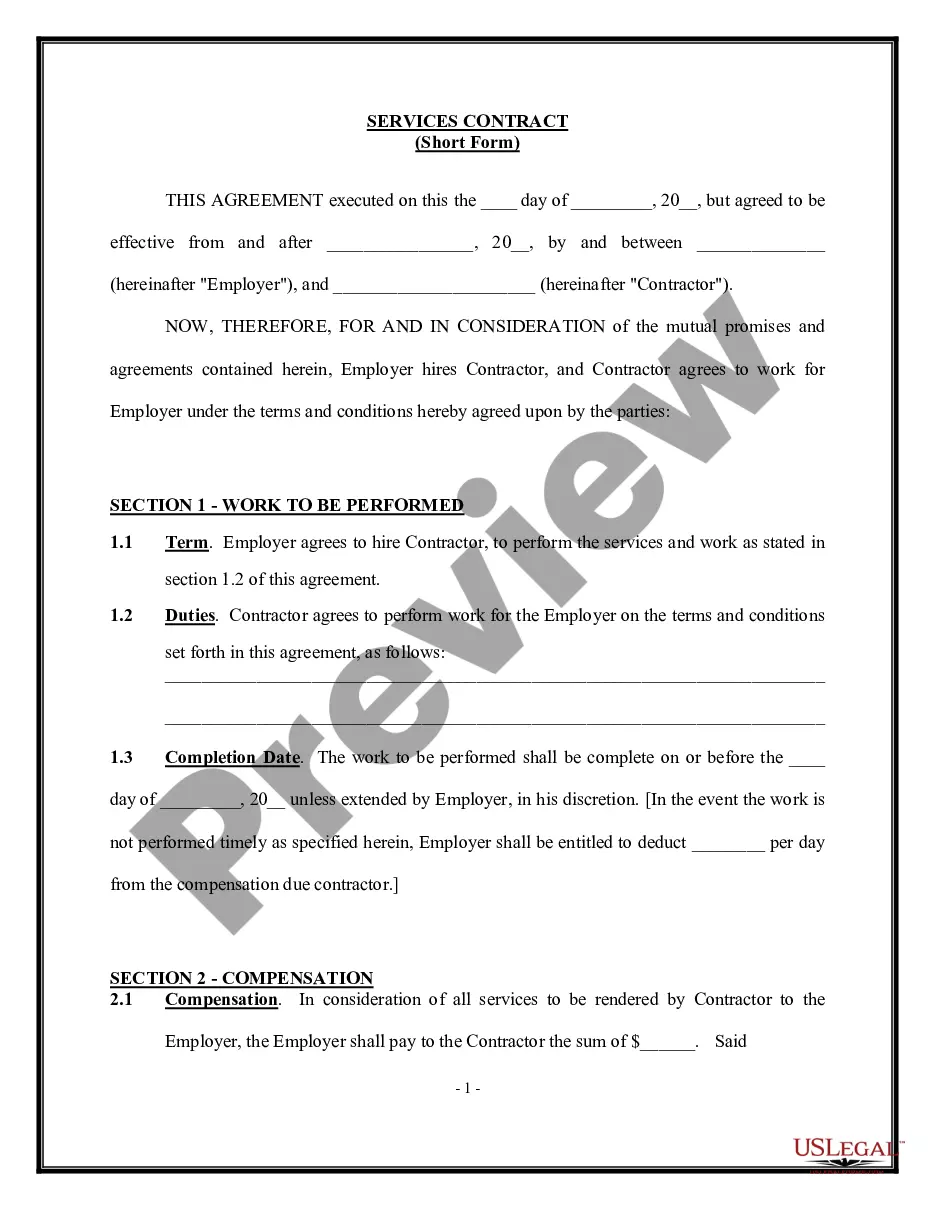
Offer and Acceptance: One party must make an offer, and the other must accept it. Mutual Consent: Both parties agree to the terms without coercion. Contract law often refers to this condition as a "meeting of the minds." Competence: The parties must have the legal capacity to agree.
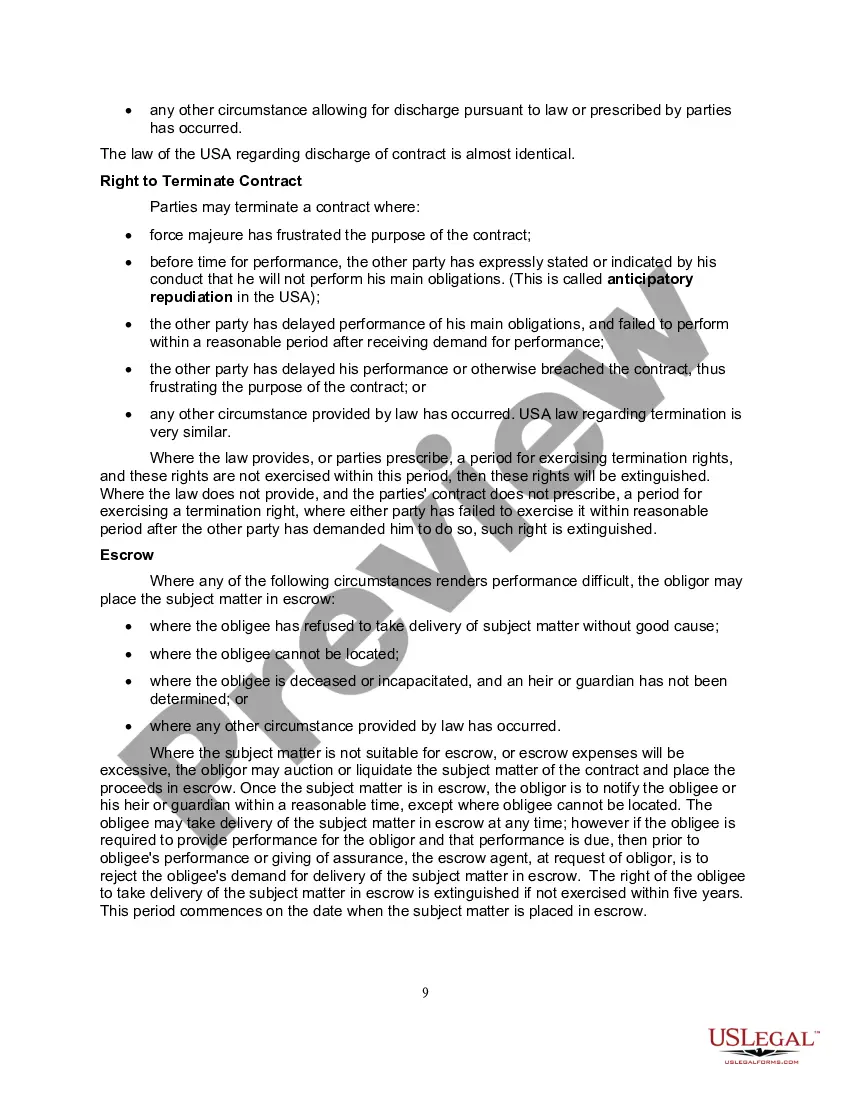
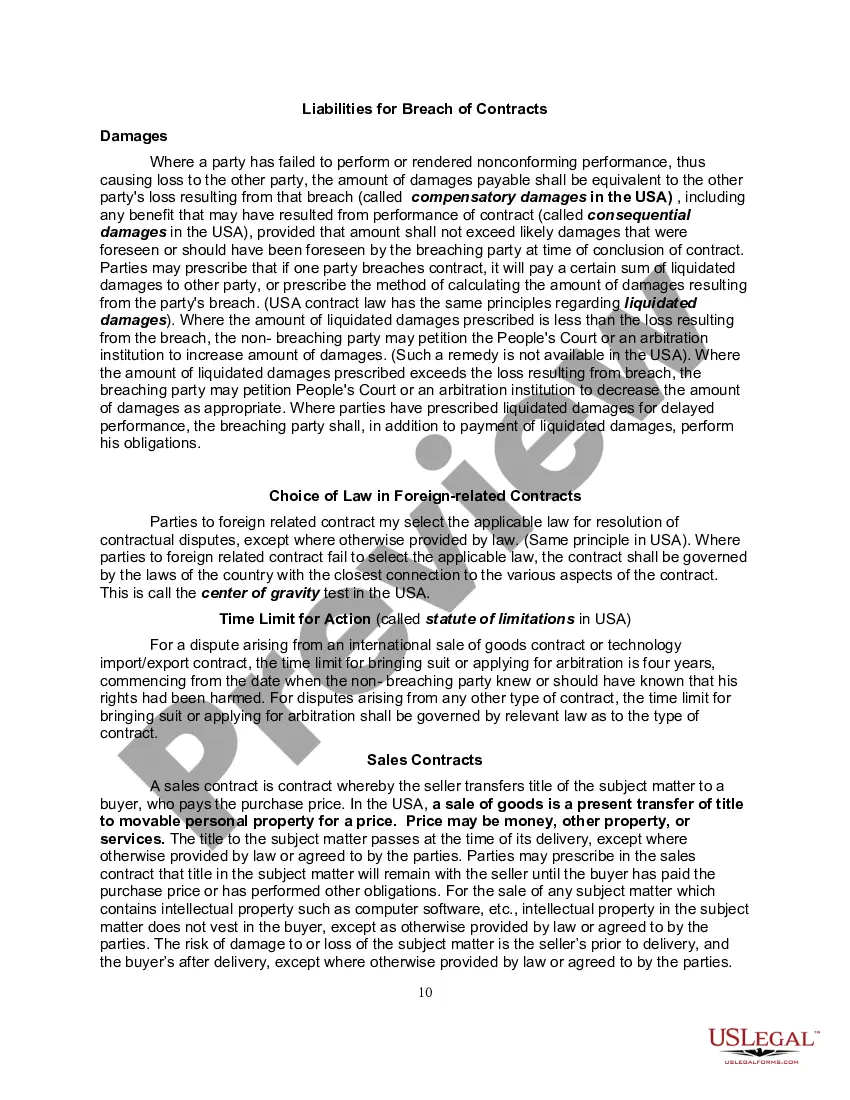
A contract is an agreement between parties, creating mutual obligations that are enforceable by law. The basic elements required for the agreement to be a legally enforceable contract are: mutual assent, expressed by a valid offer and acceptance; adequate consideration; capacity; and legality.