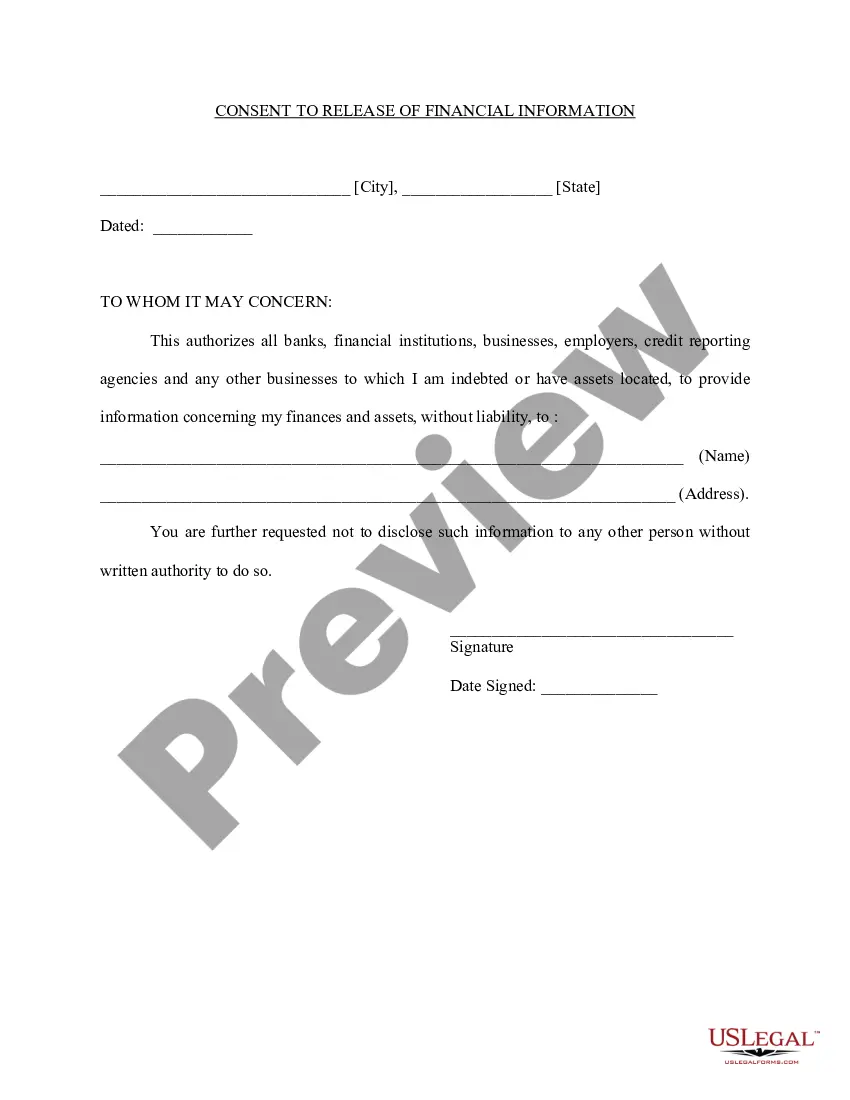
Letter Of Resignation Sample For Toxic Work Environment In Minnesota
Description

Get your form ready online
Our built-in tools help you complete, sign, share, and store your documents in one place.
Make edits, fill in missing information, and update formatting in US Legal Forms—just like you would in MS Word.
Download a copy, print it, send it by email, or mail it via USPS—whatever works best for your next step.
Sign and collect signatures with our SignNow integration. Send to multiple recipients, set reminders, and more. Go Premium to unlock E-Sign.
If this form requires notarization, complete it online through a secure video call—no need to meet a notary in person or wait for an appointment.
We protect your documents and personal data by following strict security and privacy standards.

Make edits, fill in missing information, and update formatting in US Legal Forms—just like you would in MS Word.

Download a copy, print it, send it by email, or mail it via USPS—whatever works best for your next step.

Sign and collect signatures with our SignNow integration. Send to multiple recipients, set reminders, and more. Go Premium to unlock E-Sign.

If this form requires notarization, complete it online through a secure video call—no need to meet a notary in person or wait for an appointment.

We protect your documents and personal data by following strict security and privacy standards.
Looking for another form?
Form popularity
FAQ
Follow these steps to deliver a response that is sincere and polished. Craft A Response In Advance. Before the interview, think about how you will explain your departure from a toxic work environment. Remain Positive. Be Brief But Honest. Focus On Why You're Interested In The Role. Explain Your Long-term Career Goals.
When resigning due to a toxic work environment, maintain professionalism. Briefly mention the environment's impact on your well-being without naming individuals or blaming the company. Focus on your decision and gratitude for any positive aspects of your job. Provide your notice period and offer transition assistance.
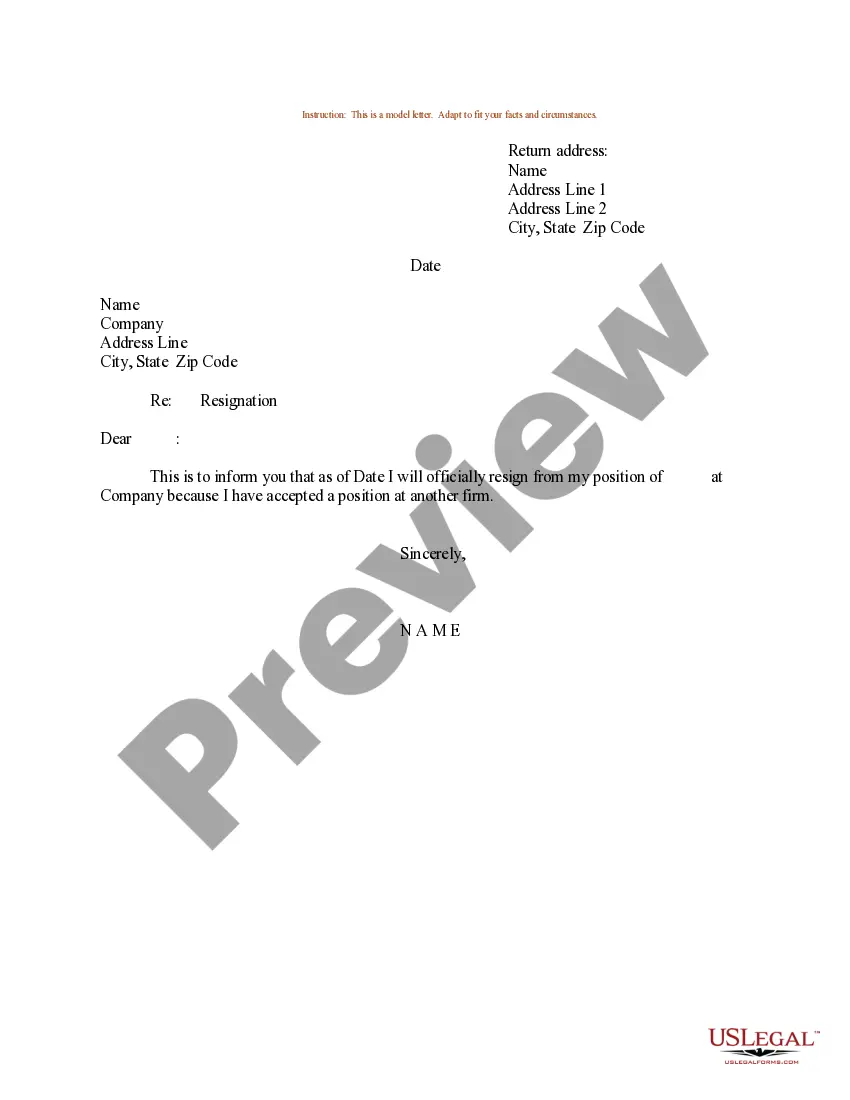
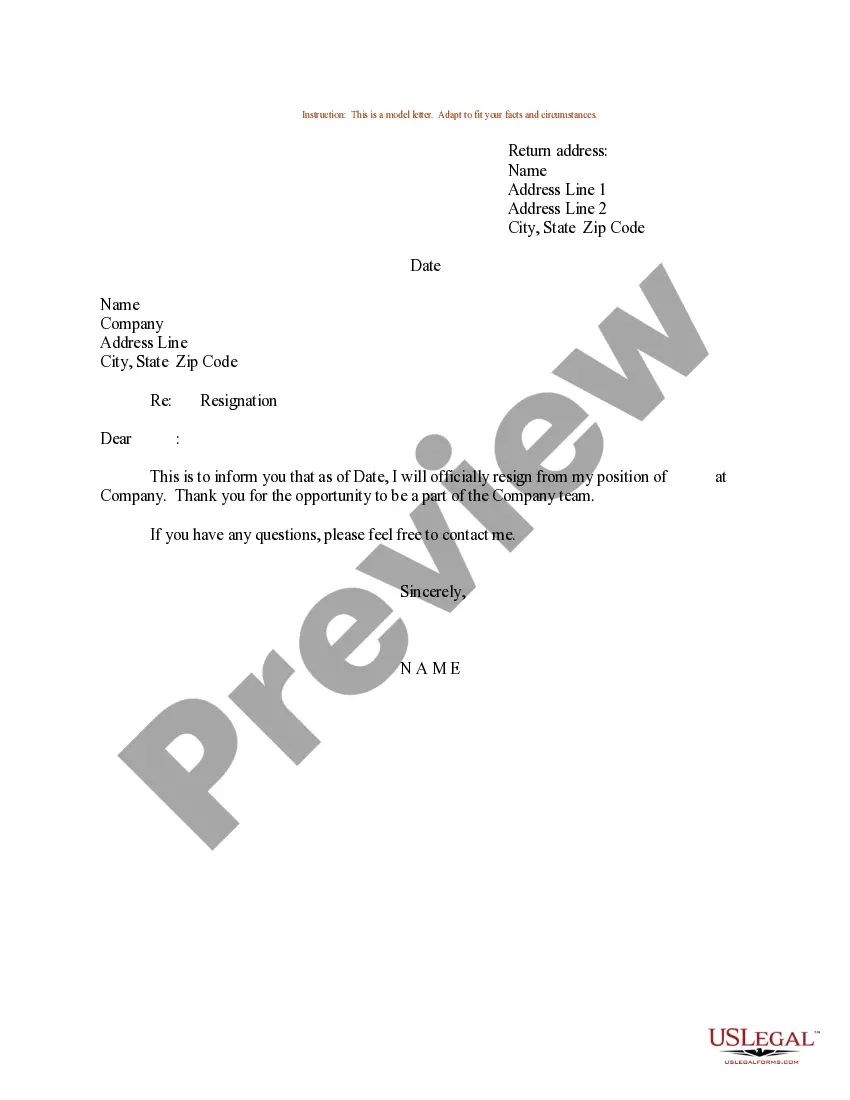
Avoid accusatory language or venting frustrations. Focus on stating your intention to resign, effective on a specific date, without going into extensive detail about the unfair treatment. A simple statement like ``I am writing to inform you of my resignation from (position), effective (date)'' is sufficient.
You want to share a statement of intent, an expression of gratitude, and then offer up any sort of assistance that you can provide with the transition. Use a formal business format for the actual letter itself. Notify your manager in person before you submit your formal resignation letter.
Keep it brief but focused. Clearly state your desire to resign. No need to get into the particulars of why you're leaving or share any gripes you have. Try to keep it positive and gracious, if possible. Despite any painful reasons for leaving a toxic job, your moving on signifies a new career direction for you.
Clearly state your intention to resign and your last working day. Express gratitude for the opportunities you had, without delving into the toxic aspects. Choose the Right Time and Place: Schedule a meeting with your manager to discuss your resignation. Ensure it's a private, calm setting.
How to hand in your resignation Write a Professional Resignation Letter: Your letter should be concise, polite, and professional. Choose the Right Time and Place: Schedule a meeting with your manager to discuss your resignation. Stay Calm and Professional: During the meeting, remain composed and professional.
Write a Professional Resignation Letter: Your letter should be concise, polite, and professional. Clearly state your intention to resign and your last working day. Express gratitude for the opportunities you had, without delving into the toxic aspects.
Avoid accusatory language or venting frustrations. Focus on stating your intention to resign, effective on a specific date, without going into extensive detail about the unfair treatment. A simple statement like ``I am writing to inform you of my resignation from (position), effective (date)'' is sufficient.