Resignation Letter Gracefully With Ideas Oscar Wilde In Virginia
Description
Get your form ready online
Our built-in tools help you complete, sign, share, and store your documents in one place.
Make edits, fill in missing information, and update formatting in US Legal Forms—just like you would in MS Word.
Download a copy, print it, send it by email, or mail it via USPS—whatever works best for your next step.
Sign and collect signatures with our SignNow integration. Send to multiple recipients, set reminders, and more. Go Premium to unlock E-Sign.
If this form requires notarization, complete it online through a secure video call—no need to meet a notary in person or wait for an appointment.
We protect your documents and personal data by following strict security and privacy standards.

Make edits, fill in missing information, and update formatting in US Legal Forms—just like you would in MS Word.

Download a copy, print it, send it by email, or mail it via USPS—whatever works best for your next step.

Sign and collect signatures with our SignNow integration. Send to multiple recipients, set reminders, and more. Go Premium to unlock E-Sign.

If this form requires notarization, complete it online through a secure video call—no need to meet a notary in person or wait for an appointment.

We protect your documents and personal data by following strict security and privacy standards.
Looking for another form?

Form popularity
FAQ
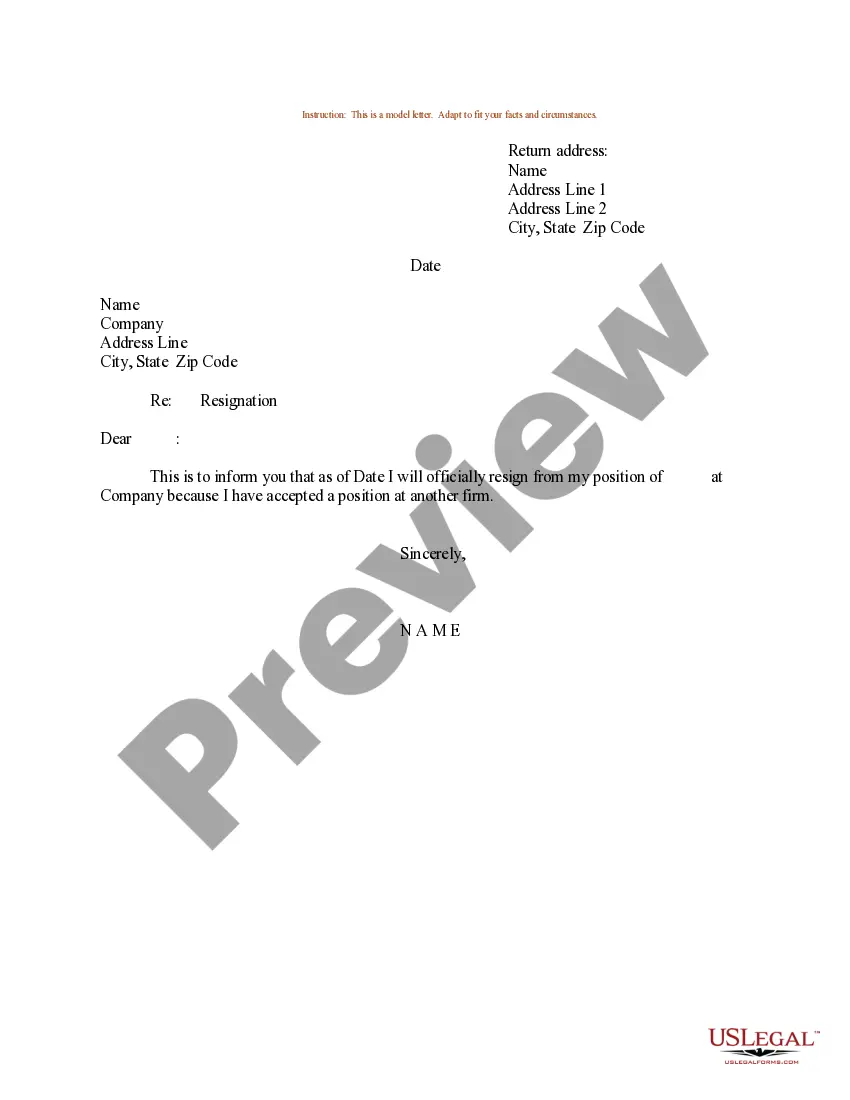
I would like to thank you for the experience and knowledge I have gained throughout the # of years I have worked at company, as well as the opportunity to be a part of your team. I will never forget the valuable skills I have learned.
The closing paragraph expresses gratitude for the opportunities and experiences gained while working with the employer. Offering to assist with the transition showcases professionalism and commitment to a smooth departure. Sign and Send Your Resignation Letter Now!
Close with a professional sign-off: End the letter with a professional sign-off, such as “Sincerely” or “Best regards.” Sign your name underneath the sign-off. Proofread and edit: Before sending the resignation letter, proofread it carefully for grammar and spelling errors.
Here are seven steps to writing a resignation letter when unhappy with management at your workplace: Start with a date and time. Use a formal address. Detail the exact date you plan to leave. Explain your reason for resigning. Express your gratitude. Discuss transitioning your responsibilities.
What Not to Include in Your Resignation Letter Negative comments about colleagues or the company. These can damage professional relationships and often do more harm than good. Too much detail about personal grievances. There's a time and place for everything. Confidential or sensitive information.
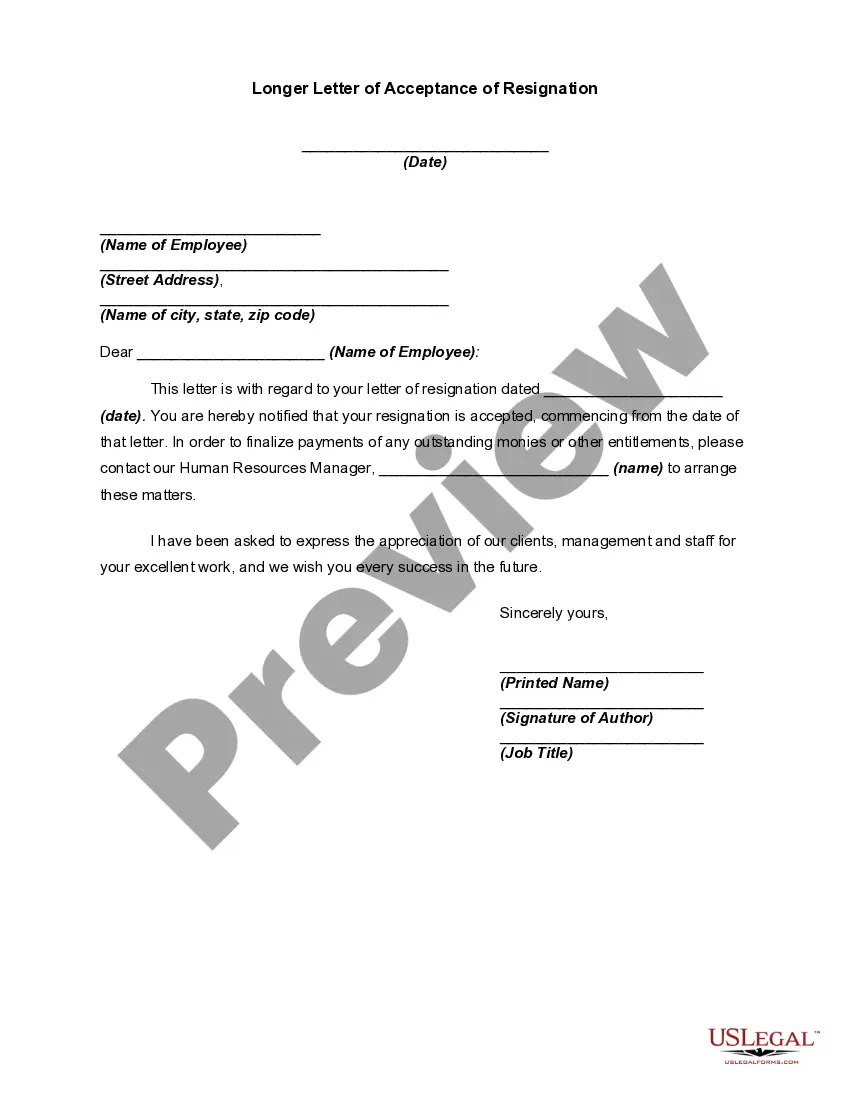
Close with a professional sign-off: End the letter with a professional sign-off, such as “Sincerely” or “Best regards.” Sign your name underneath the sign-off. Proofread and edit: Before sending the resignation letter, proofread it carefully for grammar and spelling errors.
How to Write a Resignation Letter A greeting: Start formal. A statement of resignation. Offer help with transitioning. Thank your employer for giving you a chance to be a part of their company, and for their time. Leave your contact information for your employer. Sign off with “Sincerely” or “Thank you”
How to end a resignation letter? Make a polite closing statement by directly thanking your manager and the company. You could also write that you're willing to help with the transition process. After your closing statement, end your letter by using a professional sign-off like “Sincerely” or “Best regards.”
Dear (HR Manager's Name), I'm writing to formally resign from my position as (Title) at (Company), effective two weeks from today's date, (Last working day). Please consider this letter as my formal notice, and let me know how I can assist with the transition during this period.
