Federal Arbitration Act Time To Appeal In Illinois
Description


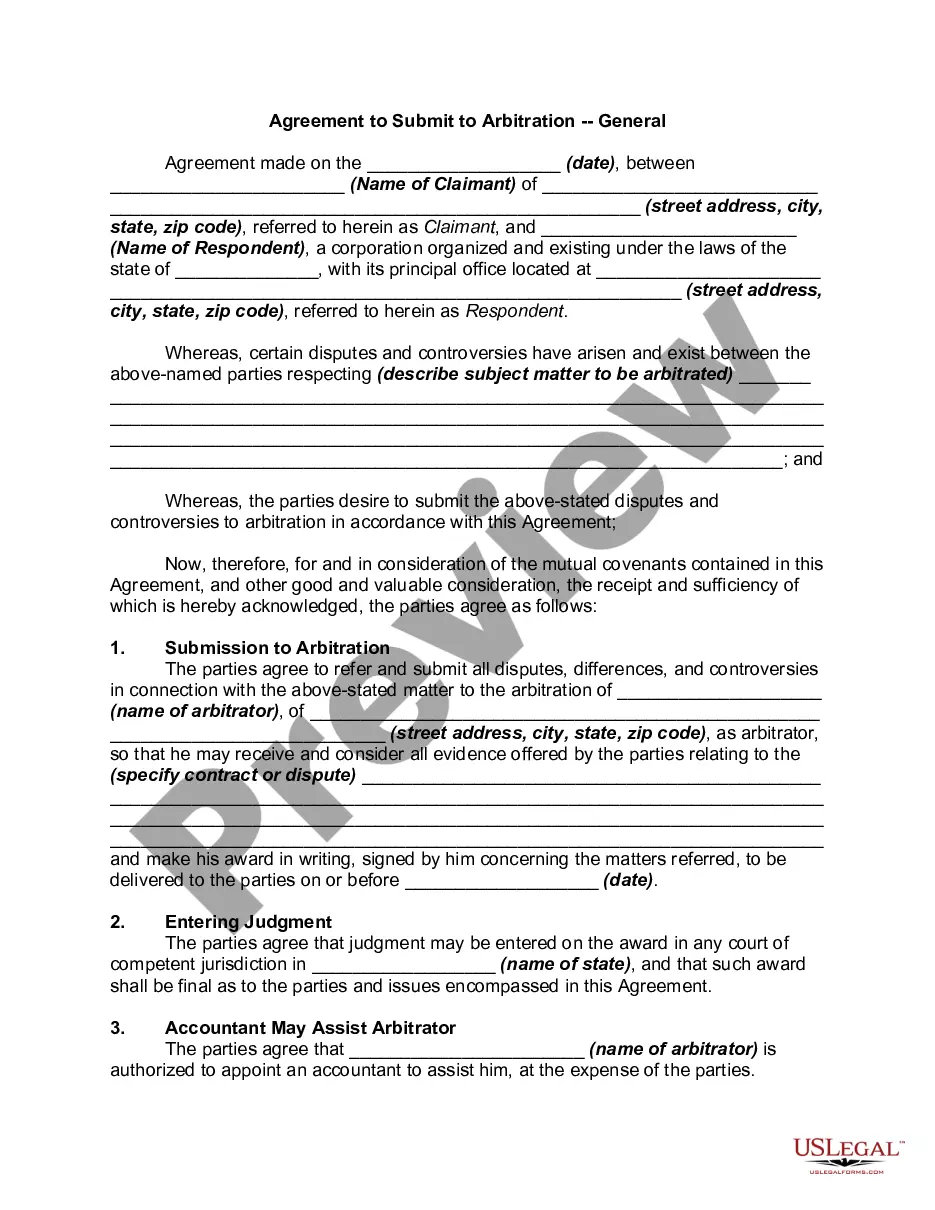

Get your form ready online
Our built-in tools help you complete, sign, share, and store your documents in one place.
Make edits, fill in missing information, and update formatting in US Legal Forms—just like you would in MS Word.
Download a copy, print it, send it by email, or mail it via USPS—whatever works best for your next step.
Sign and collect signatures with our SignNow integration. Send to multiple recipients, set reminders, and more. Go Premium to unlock E-Sign.
If this form requires notarization, complete it online through a secure video call—no need to meet a notary in person or wait for an appointment.
We protect your documents and personal data by following strict security and privacy standards.

Make edits, fill in missing information, and update formatting in US Legal Forms—just like you would in MS Word.

Download a copy, print it, send it by email, or mail it via USPS—whatever works best for your next step.

Sign and collect signatures with our SignNow integration. Send to multiple recipients, set reminders, and more. Go Premium to unlock E-Sign.

If this form requires notarization, complete it online through a secure video call—no need to meet a notary in person or wait for an appointment.

We protect your documents and personal data by following strict security and privacy standards.
Looking for another form?
Form popularity
FAQ
To start an appeal of a circuit court order or judgment, you must file a Notice of Appeal. Do this within 30 days after the final judgment, counting weekends and holidays. The Notice of Appeal tells the circuit court and the other parties that you're appealing the circuit court's order.
You can only appeal arbitration decisions if you allow as much in the contract, or if the contract is silent on the issue. If the parties decide in their contract that there will be no appeal on any issue, then there can be no appeal. The courts uphold these agreements.
2.1 An Appeal shall be commenced by written notice to the opposing party(ies) and to CPR (attention: Dispute Resolution Services), given within thirty days of the date on which the Original Award was received by the parties, unless the parties agree on a different period.
In most civil cases, you have 30 days from the date that final judgment is issued to file a Notice of Appeal. However, the Illinois Supreme Court Rules say that some orders can be appealed prior to the circuit court issuing a final judgment.
In addition, arbitration decisions are not subject to appeal. You can, however, file a motion to vacate, which essentially asks the court to “cancel” the panel's decision. The circumstances under which state or federal courts can grant a motion to vacate are typically very limited.
You can also appeal an eviction order if you disagree with it. You must file your appeal within 30 days of the eviction order. To do this, go to the court that ordered the eviction, find the court clerk, and request to file a notice of appeal. Make sure you have a copy of the eviction order with you.
In addition, arbitration decisions are not subject to appeal. You can, however, file a motion to vacate, which essentially asks the court to “cancel” the panel's decision. The circumstances under which state or federal courts can grant a motion to vacate are typically very limited.
2.1 An Appeal shall be commenced by written notice to the opposing party(ies) and to CPR (attention: Dispute Resolution Services), given within thirty days of the date on which the Original Award was received by the parties, unless the parties agree on a different period.
But, if any party files a Motion to Reconsider (or similar post-judgment motion) within 30 days of the final judgment, you must file your Notice of Appeal within 30 days after the trial court rules on the Motion.