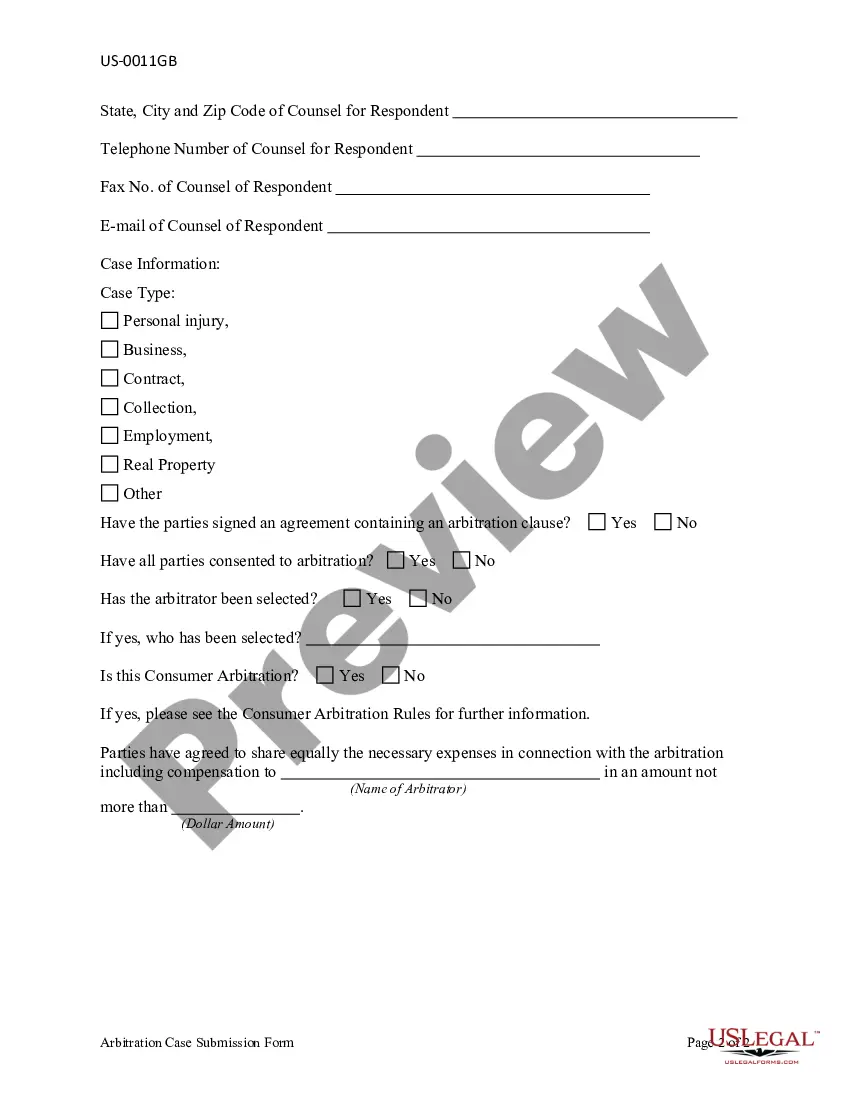
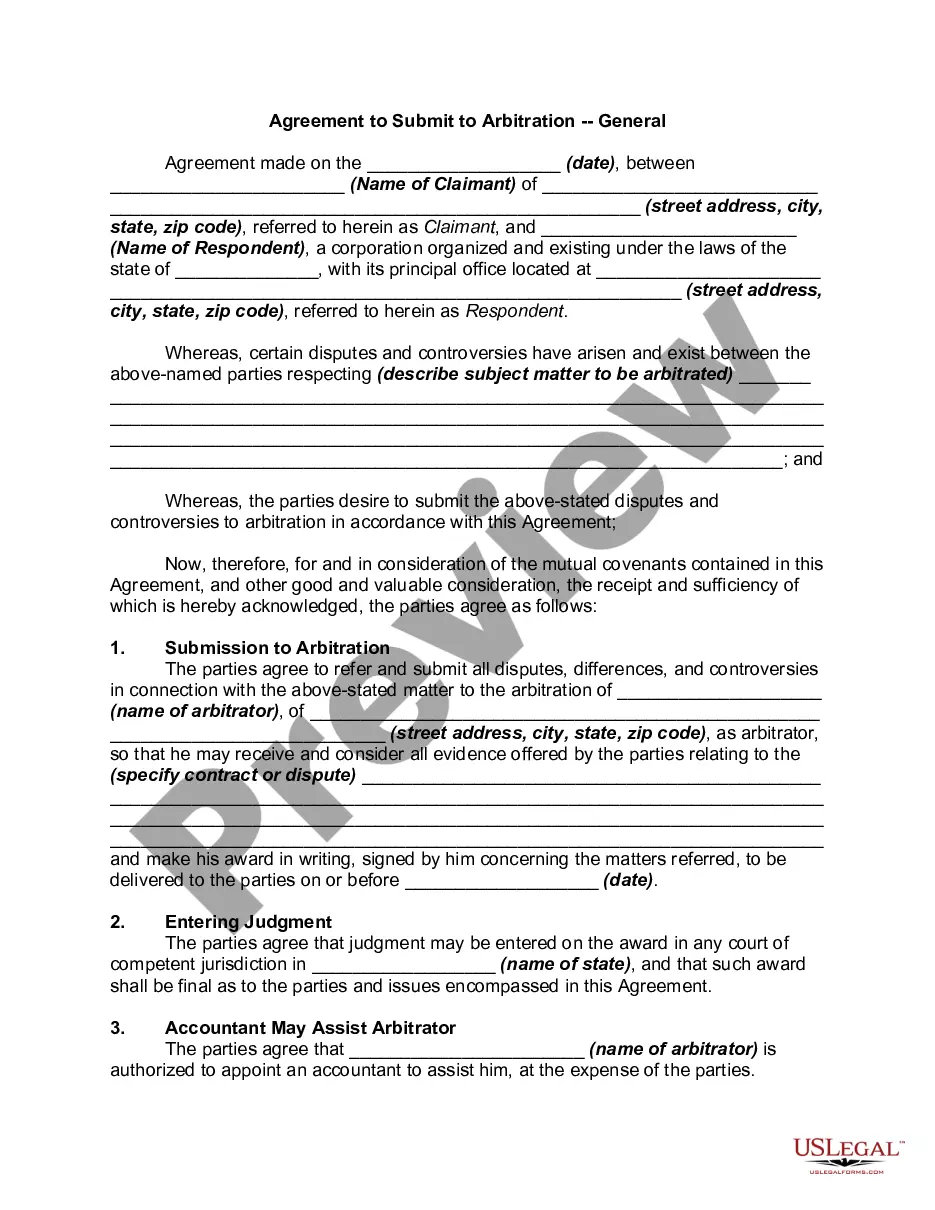
Arbitration Case Statement Format In Miami-Dade
Description



Get your form ready online
Our built-in tools help you complete, sign, share, and store your documents in one place.
Make edits, fill in missing information, and update formatting in US Legal Forms—just like you would in MS Word.
Download a copy, print it, send it by email, or mail it via USPS—whatever works best for your next step.
Sign and collect signatures with our SignNow integration. Send to multiple recipients, set reminders, and more. Go Premium to unlock E-Sign.
If this form requires notarization, complete it online through a secure video call—no need to meet a notary in person or wait for an appointment.
We protect your documents and personal data by following strict security and privacy standards.

Make edits, fill in missing information, and update formatting in US Legal Forms—just like you would in MS Word.

Download a copy, print it, send it by email, or mail it via USPS—whatever works best for your next step.

Sign and collect signatures with our SignNow integration. Send to multiple recipients, set reminders, and more. Go Premium to unlock E-Sign.

If this form requires notarization, complete it online through a secure video call—no need to meet a notary in person or wait for an appointment.

We protect your documents and personal data by following strict security and privacy standards.
Looking for another form?









Form popularity
FAQ
Much like the opening statement in a trial, your arbitration statement should lay out what the “evidence” – the written material – will show regarding the proper credit on the project. The Arbitration Statement is not established fact, just your assessment of the material.
Arbitration Process A hearing will be held after the discovery, which is conducted by the arbitrator, who is much like a private judge. At or before the hearing, the parties may submit a statement of the case that outlines their view of the facts and arguments in support of their respective positions.
The brief should include identification of the parties, a concise description of the facts, and applicable case law and statutes. The briefs should be submitted to the arbitrator at least 2 days prior to the arbitration hearing.
Parties will need to provide material evidence during the arbitration process. Some arbitrators may require that some types of evidence (such as invoices, pictures, and party correspondence) be presented in a specific format, such as in a binder and labeled in a certain order.
How To Prepare for Arbitration: 5 Essential Tips Prepare Witness Statements. preparation is crucial before entering into an arbitration hearing to present your case in the best possible manner. Prepare Exhibits. Consider Your Strategy. Attend Pre-Arbitration Conferences. Hire an Attorney to Help You Prepare for Arbitration.
A motion to dismiss for failure to state a cause of action will be granted only if the movant establishes that the pleader has failed to properly plead all of the necessary elements of the particular claim. This hinges on the substantive law for the different elements of different causes of action.
Always get straight to the merits without berating the other side or whining about how badly it has treated you. Another threat to your credibility is the “kitchen sink” arbitration demand or a response that includes numerous claims or defenses that have little chance of succeeding.
In arbitration, you don't have to have a lawyer represent you (unless state law requires it), but it's important to know that arbitration is a final and binding process that can affect your rights. So, if you are considering representing yourself, it's a good idea to talk to a lawyer.
Arguments should flow easily from the relevant facts and applicable law. Avoid exaggerating the strengths of your case as well as disparaging the opposing side. Remember that professionalism and credibility are critical to persuasiveness.
But first, let's get some context. What is arbitration? ... #1: Understand the arbitration agreement deeply. #2: Understand the applicable rules. #3: Conduct preliminary research and gather information. #4: Know your arbitrator. #5: Prepare your client. #6: Draft the opening statement. #7: Manage the hearing day.