Real Property Clause In Will In Mecklenburg
Description

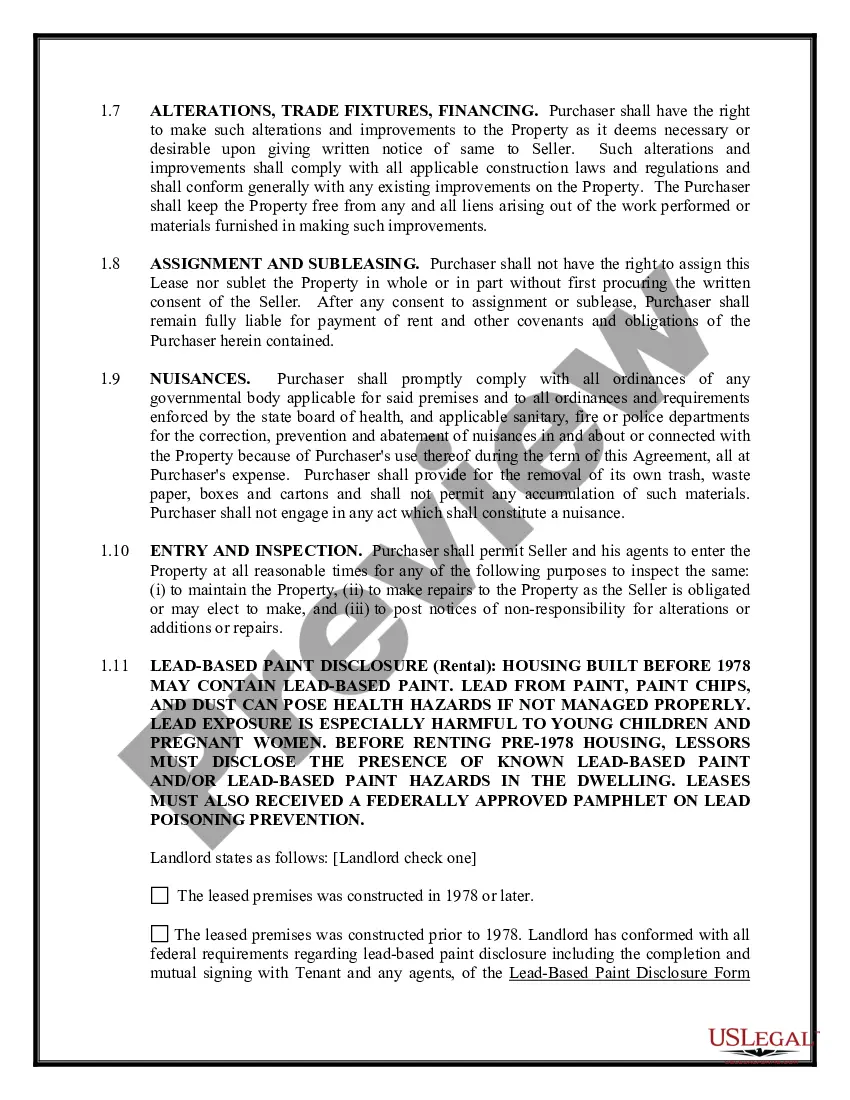
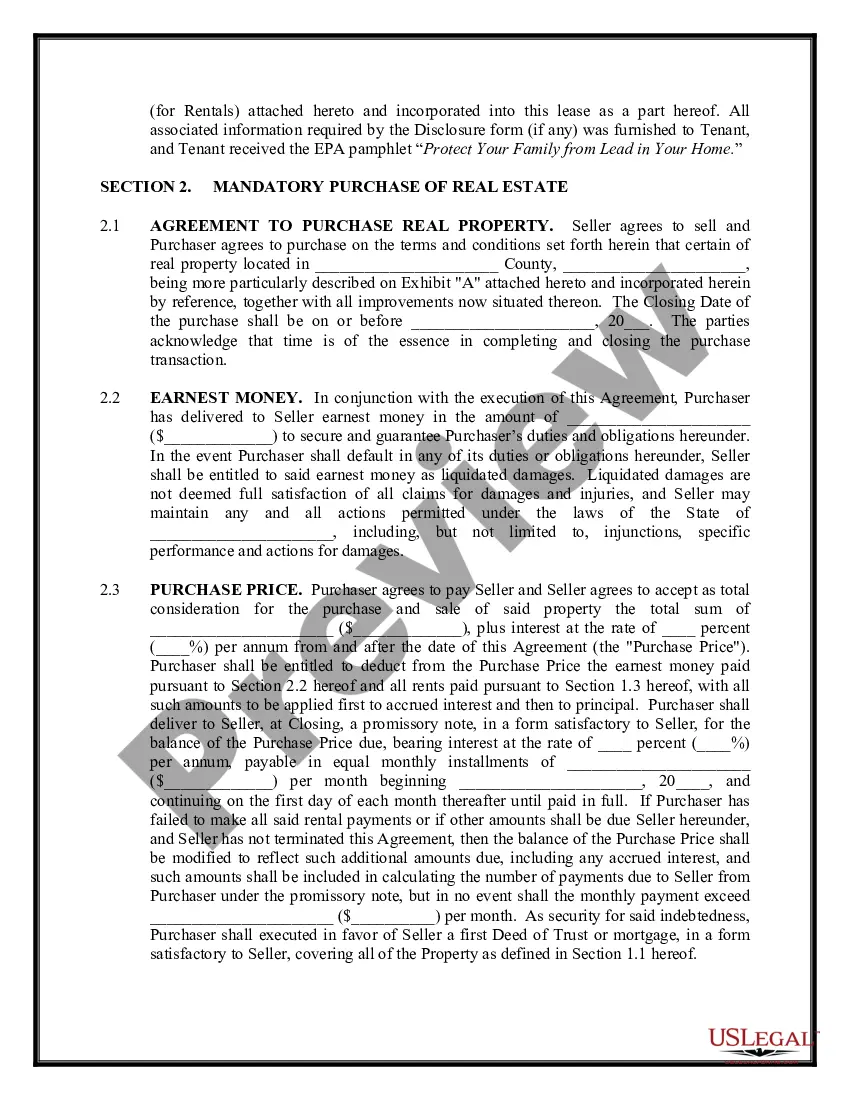
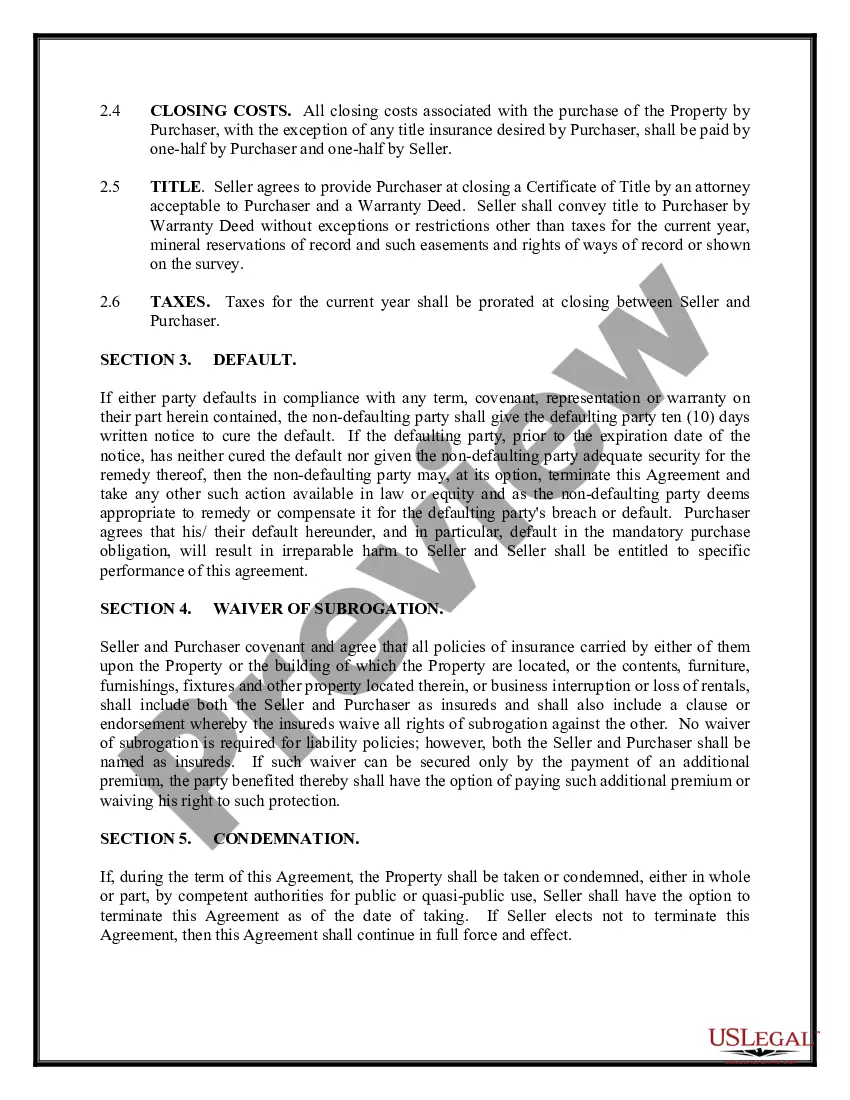
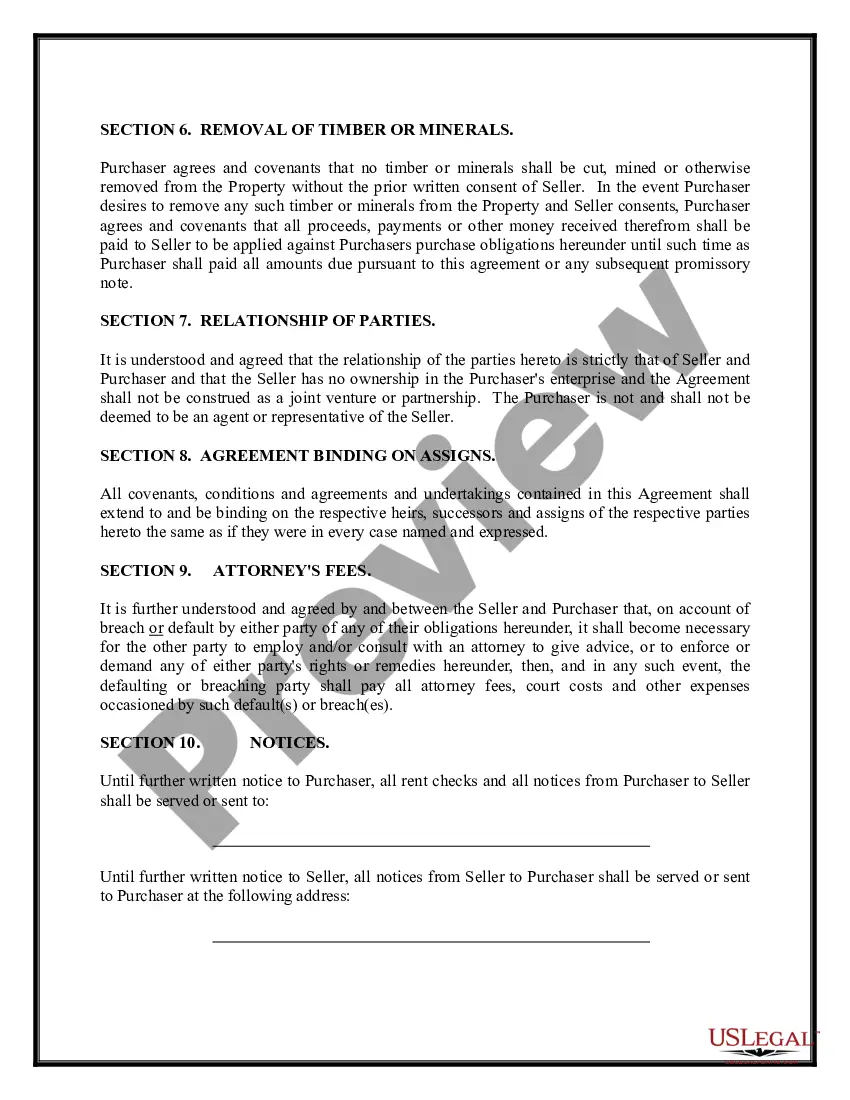
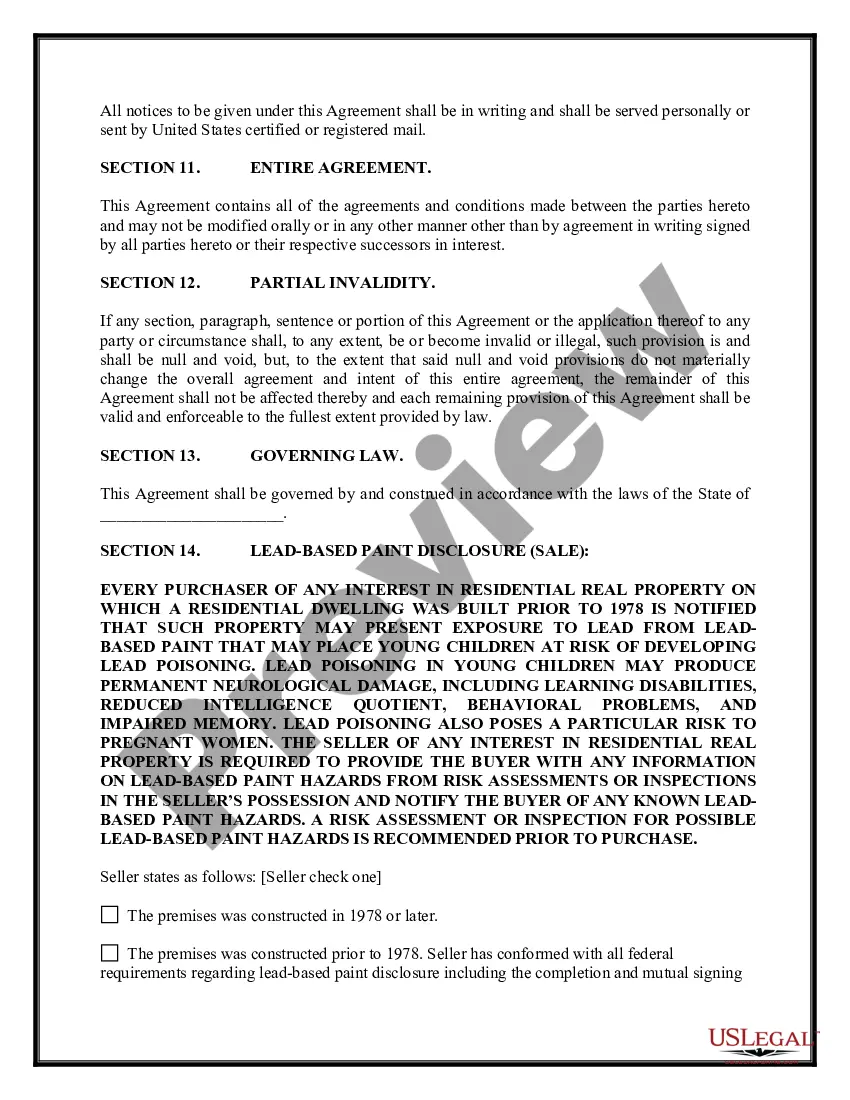
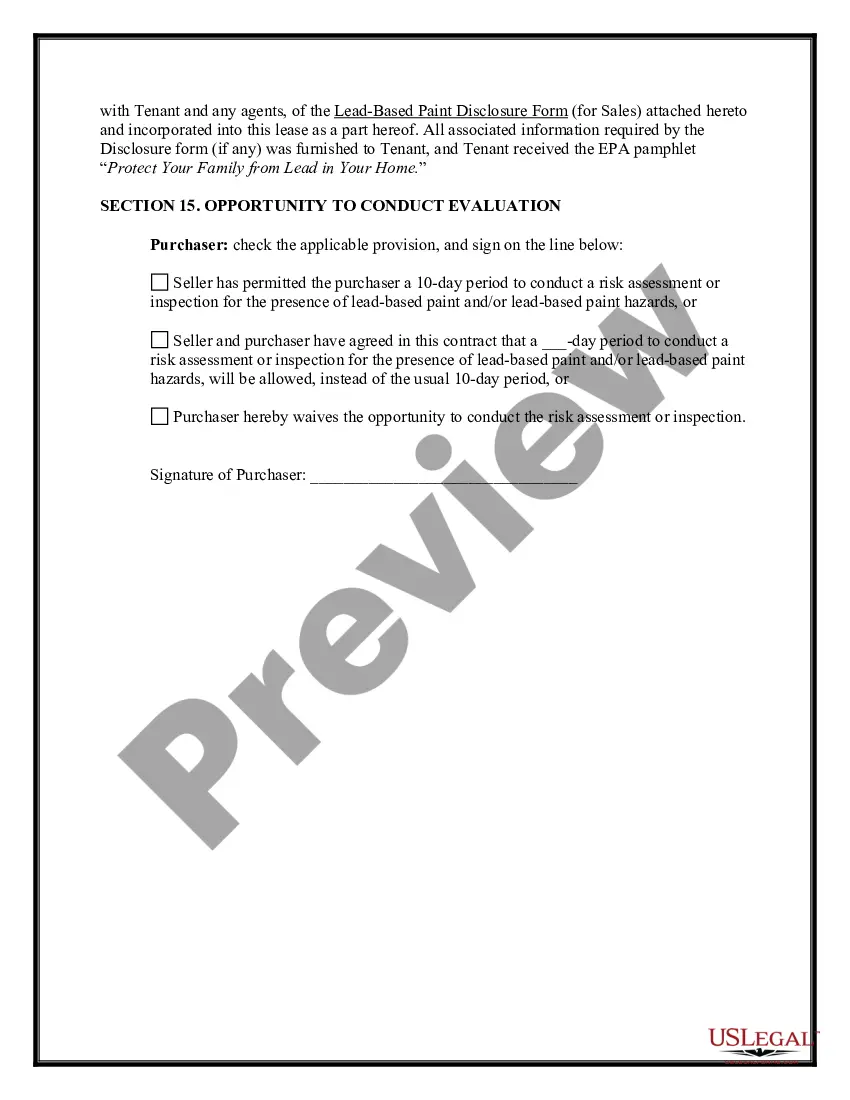
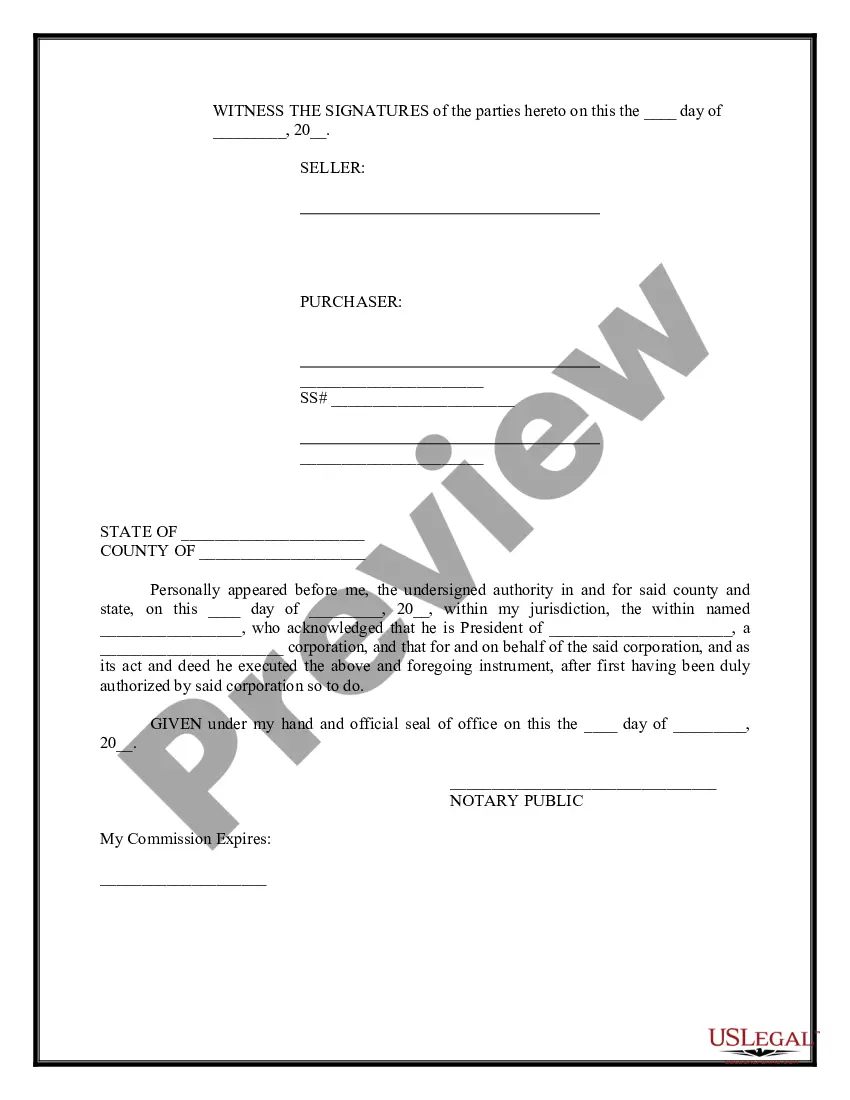
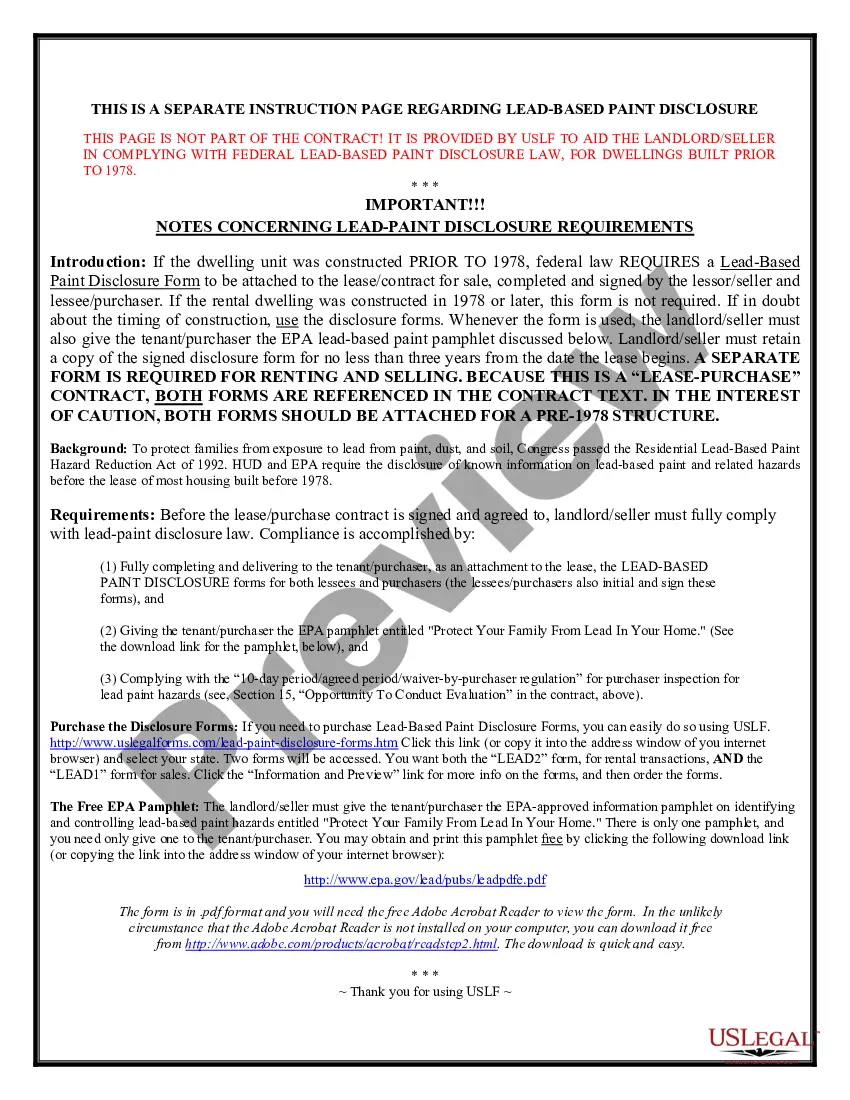
Get your form ready online
Our built-in tools help you complete, sign, share, and store your documents in one place.
Make edits, fill in missing information, and update formatting in US Legal Forms—just like you would in MS Word.
Download a copy, print it, send it by email, or mail it via USPS—whatever works best for your next step.
Sign and collect signatures with our SignNow integration. Send to multiple recipients, set reminders, and more. Go Premium to unlock E-Sign.
If this form requires notarization, complete it online through a secure video call—no need to meet a notary in person or wait for an appointment.
We protect your documents and personal data by following strict security and privacy standards.

Make edits, fill in missing information, and update formatting in US Legal Forms—just like you would in MS Word.

Download a copy, print it, send it by email, or mail it via USPS—whatever works best for your next step.

Sign and collect signatures with our SignNow integration. Send to multiple recipients, set reminders, and more. Go Premium to unlock E-Sign.

If this form requires notarization, complete it online through a secure video call—no need to meet a notary in person or wait for an appointment.

We protect your documents and personal data by following strict security and privacy standards.
Looking for another form?

Form popularity
FAQ
It is usually better for your heirs to inherit real estate at your death rather than to receive it as a gift from you during your life. This is because it is tax efficient for the property to pass at death due to the “stepped up basis” for capital gains tax purposes.
When the owner of a house dies and there is a Will, the house will pass to the beneficiary named in the document. Once Probate court has validated the Will, the Executor can assist with transferring the property to the heir. This is typically the simplest way to transfer the home after an owner dies.
The deed to the property automatically transfers to you after your loved one passes away. From that point, all you would need to prove that you are the rightful owner of the property is: A copy of your loved one's death certificate. A copy of your loved one's will awarding you the property.
Section 28A-19-1 - Manner of presentation of claims (a) A claim against a decedent's estate must be in writing and state the amount or item claimed, or other relief sought, the basis for the claim, and the name and address of the claimant; and must be presented by one of the following methods: (1) By delivery in person ...
To do this, clearly identify the asset and to whom it should go upon your death. To name your home in your Will, simply provide the street address. For example, "My home located at 123 Main St I leave to my children, Ann, Sara, and Tom."
The following are some of the most common assets with beneficiary designations, and therefore, such assets should not be included in your will: Retirement accounts, IRAs, 401(k)s, and pensions. Life insurance or annuity proceeds. Payable-on-death bank accounts.
Possessions which can be easily moved and are not fixed in a permanent location, such as furniture, clothing, jewelry, books, and other personal items are not considered real property; instead, these items are classified as personal property.
Real property consists of land and buildings. Personal property consists of, for this guide, tangible personal property or all personal property that is not intangible and is not permanently affixed to real property. Motor vehicles, if registered, are assessed ing to its registration renewal date.
REAL PROPERTY Land and things attached to land; buildings, fences, walls, trees, growing crops, etc.
The law makes a clear distinction between real property and personal property. Real property is immovable. It includes the land, everything that is permanently attached to it, and the rights that "run with" the land. Personal property, on the other hand, is movable.