Real Estate Offer With Escalation Clause In Minnesota
Description

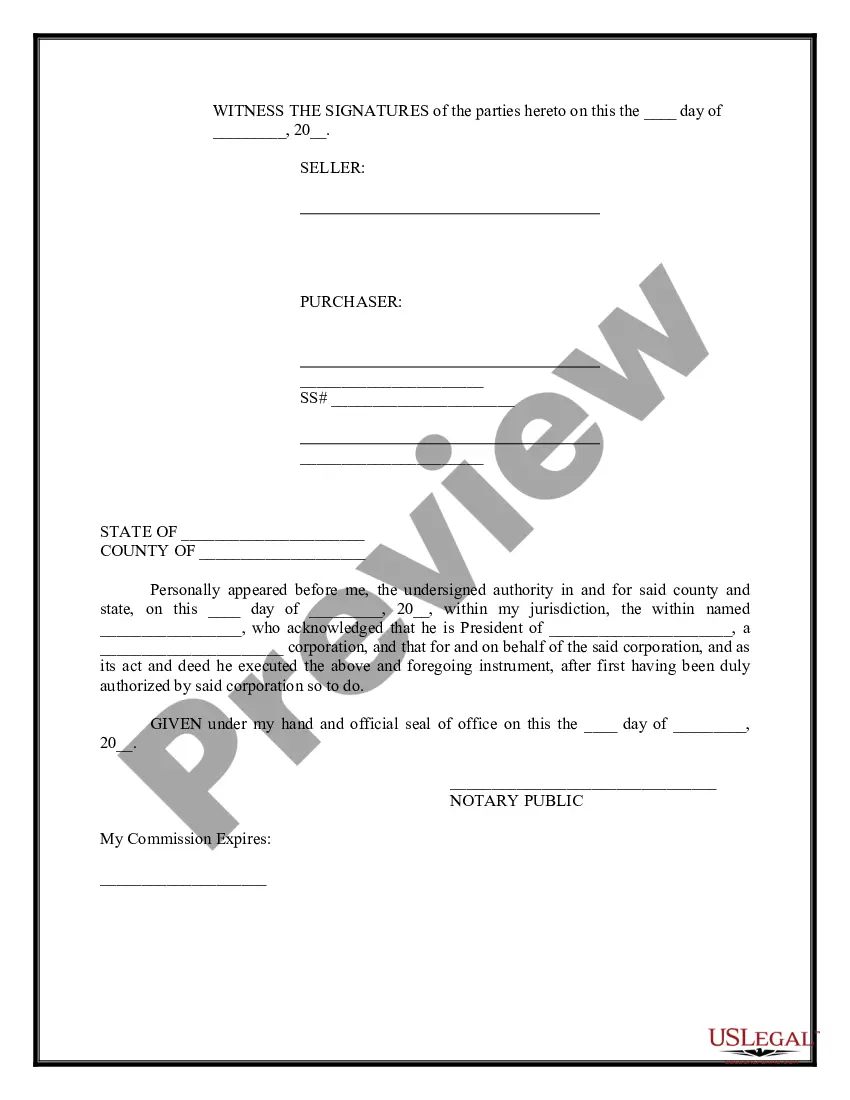
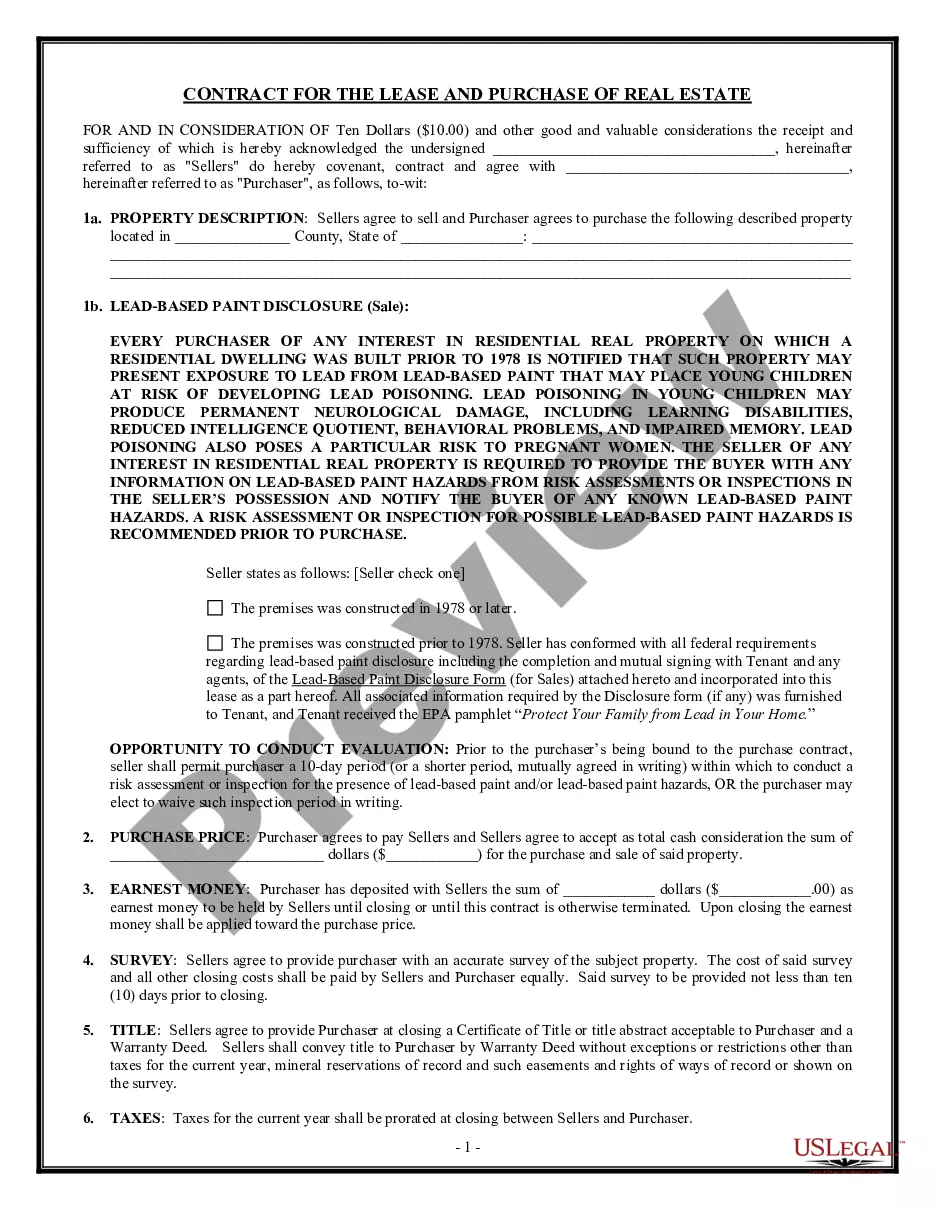
Get your form ready online
Our built-in tools help you complete, sign, share, and store your documents in one place.
Make edits, fill in missing information, and update formatting in US Legal Forms—just like you would in MS Word.
Download a copy, print it, send it by email, or mail it via USPS—whatever works best for your next step.
Sign and collect signatures with our SignNow integration. Send to multiple recipients, set reminders, and more. Go Premium to unlock E-Sign.
If this form requires notarization, complete it online through a secure video call—no need to meet a notary in person or wait for an appointment.
We protect your documents and personal data by following strict security and privacy standards.

Make edits, fill in missing information, and update formatting in US Legal Forms—just like you would in MS Word.

Download a copy, print it, send it by email, or mail it via USPS—whatever works best for your next step.

Sign and collect signatures with our SignNow integration. Send to multiple recipients, set reminders, and more. Go Premium to unlock E-Sign.

If this form requires notarization, complete it online through a secure video call—no need to meet a notary in person or wait for an appointment.

We protect your documents and personal data by following strict security and privacy standards.
Looking for another form?
Form popularity
FAQ
The reason why sellers don't want escalation clauses is simple: It introduces the risk that they'll sell the house for less than what would be your best and final offer.
When you include an escalation clause in your offer, you're telling the seller your highest possible offer right out of the gate. This can limit your negotiating power. Additionally, some sellers won't accept offers that include escalation clauses. So you may be limited in the homes you can make these types of bids on.
Ultimately, it's meant to help keep serious buyers from getting outbid, while remaining cautious about their maximum spend. If an escalation clause might interest you, it's a good idea to consult a real estate professional before including an escalation clause in an offer.
However, buyers need to be careful with these clauses as they can sometimes backfire. “An escalation clause needs to be in conjunction with a really good offer,” said Madani of Room Real Estate. “It's really the whole package to get your offer accepted.”
Two offers with escalation clauses will escalate each other until one reaches its maximum and the other outbids it. If they have the same maximum dollar amount, the seller may request that both buyers put their highest and best offers forward.
An example of a simple unconditional escalation clause is as follows: “Purchaser will increase the best offer received by $1,000” (of course, the dollar amount can vary, but for the sake of simplicity, I will use the figure of $1,000 throughout this article).
Cpi escalation clause samples Fixed Rent (and all other monthly or other periodic fixed costs, expenses or charges payable under this Land Lease) shall be prorated for partial calendar months or years.
However, buyers need to be careful with these clauses as they can sometimes backfire. “An escalation clause needs to be in conjunction with a really good offer,” said Madani of Room Real Estate. “It's really the whole package to get your offer accepted.”