Real Estate Clause For Due Diligence In Ohio
Description



Form popularity
FAQ
There are many possible examples of due diligence. Some common examples include investigating the financials of a company before making an investment, researching a person's background before hiring them, or reviewing environmental impact reports before committing to a construction project.
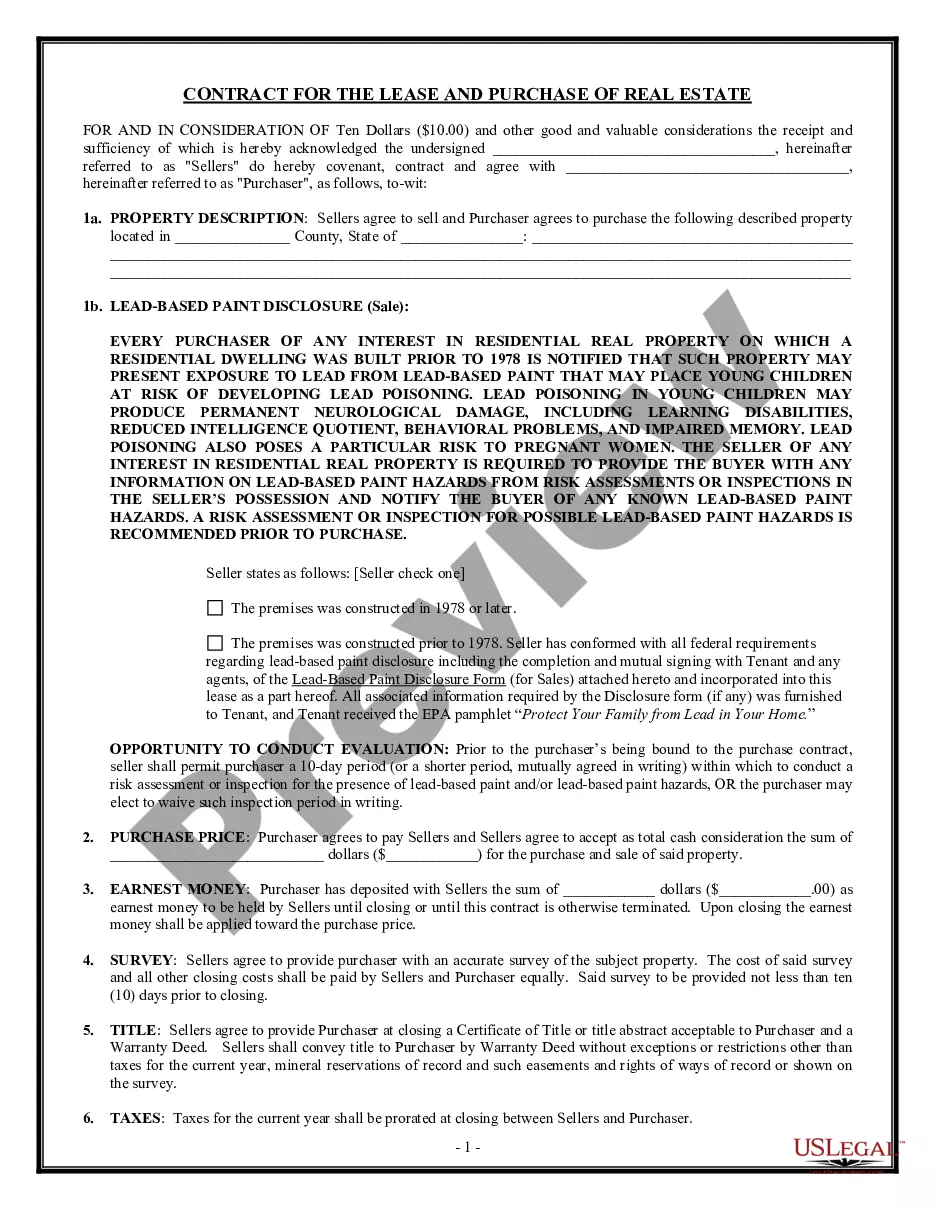
Here is an example clause: Due Diligence Period Clause: “The Buyer shall have a period of number of days days, starting from the Effective Date, to conduct a thorough due diligence review of the Property.
During the term of this Agreement, the Company will reasonably cooperate with any reasonable due diligence review conducted by the Agent in connection with the transactions contemplated hereby, including, without limitation, providing information and, upon reasonable prior notice, making available documents and senior ...
During the due-diligence period, a purchaser may order inspections, research zoning or permits, review environmental factors, or shop for insurance. A pest inspection is normally ordered as well as a home inspection.
In the U.S., most states allow residential property buyers to conduct due diligence for up to two weeks. Commercial property buyers may have up to two months, partly because of a more complicated background check.
Ohio Due Diligence Requirements Ohio requires holders to send due diligence notifications to the owner of unclaimed funds at least 30 days prior to the reporting date for any property with a value of $50 or more.
Often occurring for an average of 60-90 days after the signing of the initial contract, the due diligence phase is a critical time in the process of buying a commercial property. The Due Diligence Period is the time given to the buyer to fully inspect the property and secure financing.
Your due diligence is valid for two years after the date of approval of your application.