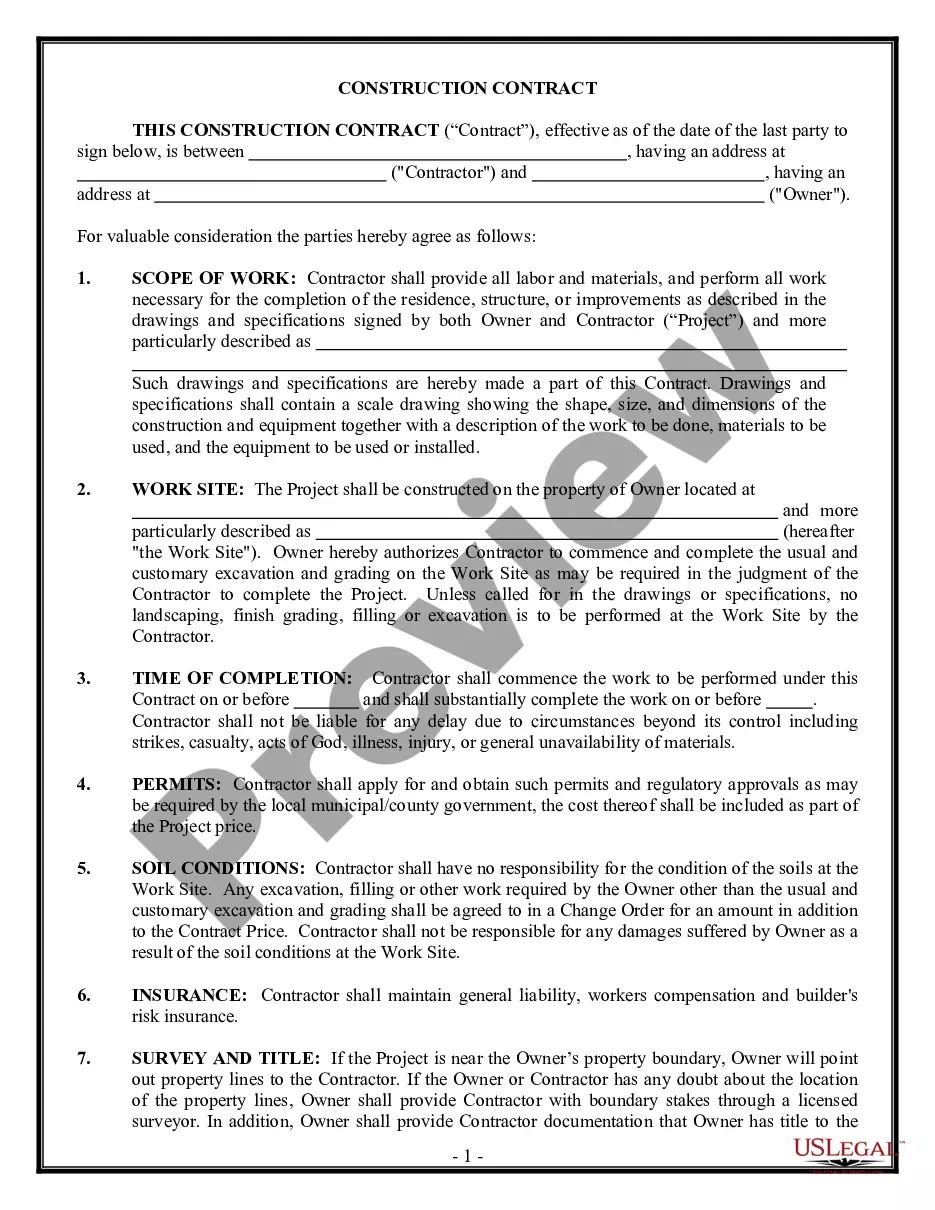
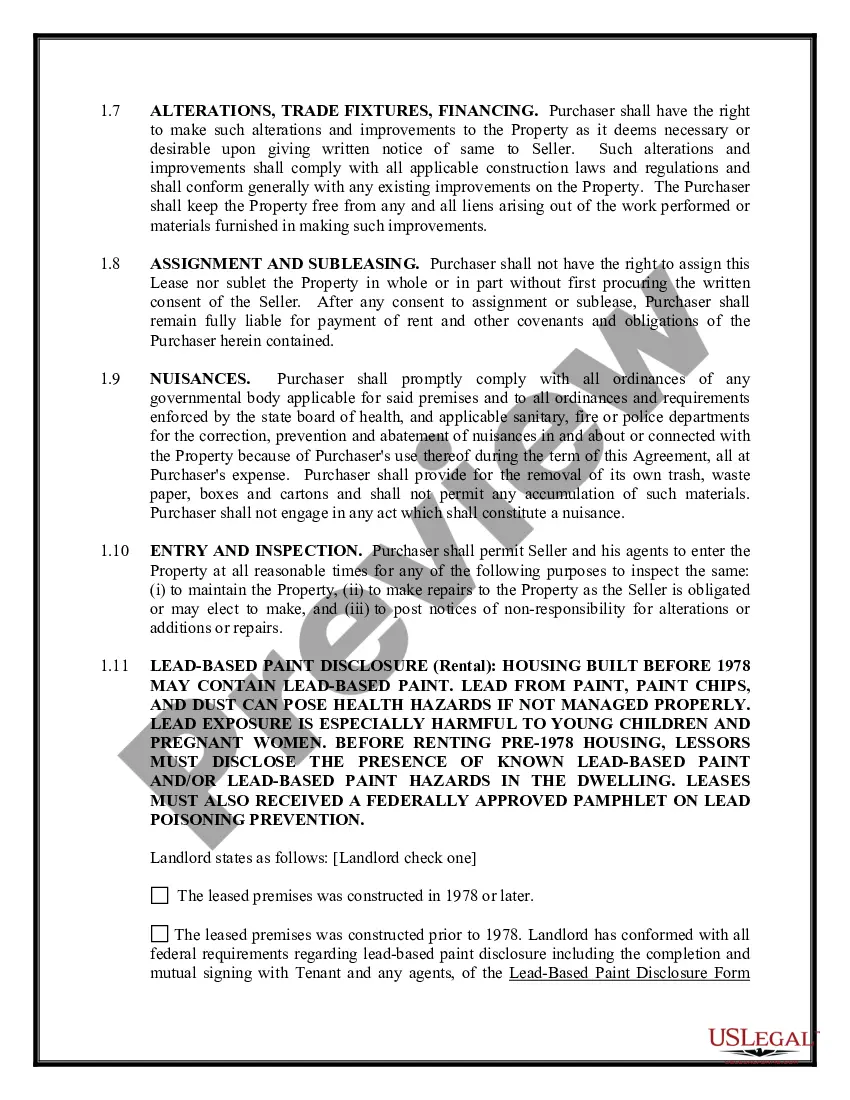
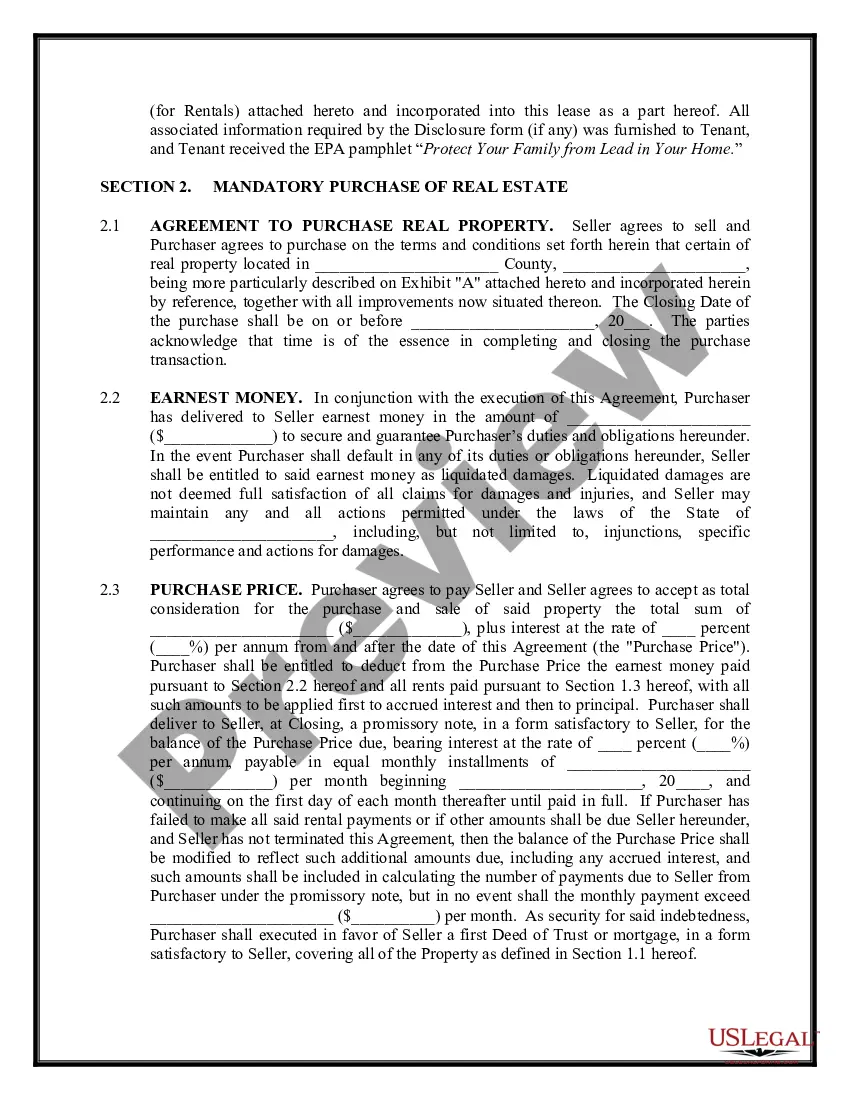
Real Estate Clause For Due Diligence In Pennsylvania
Description

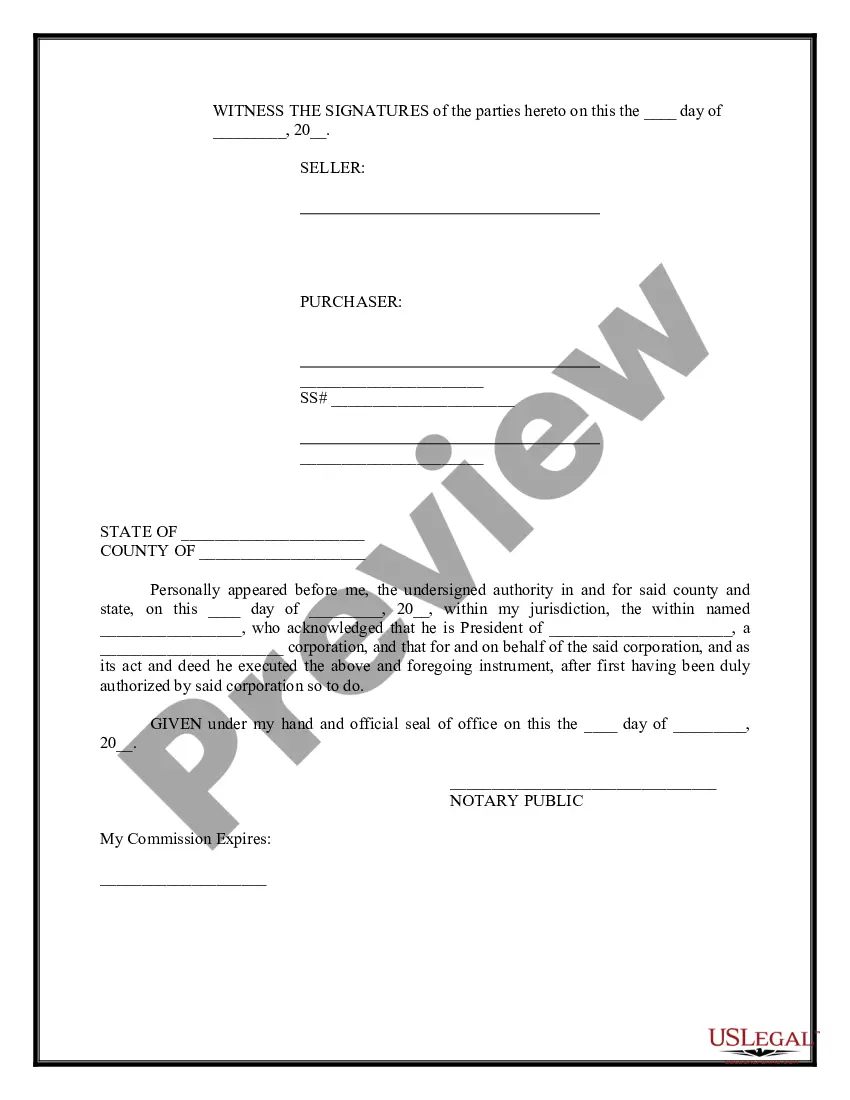
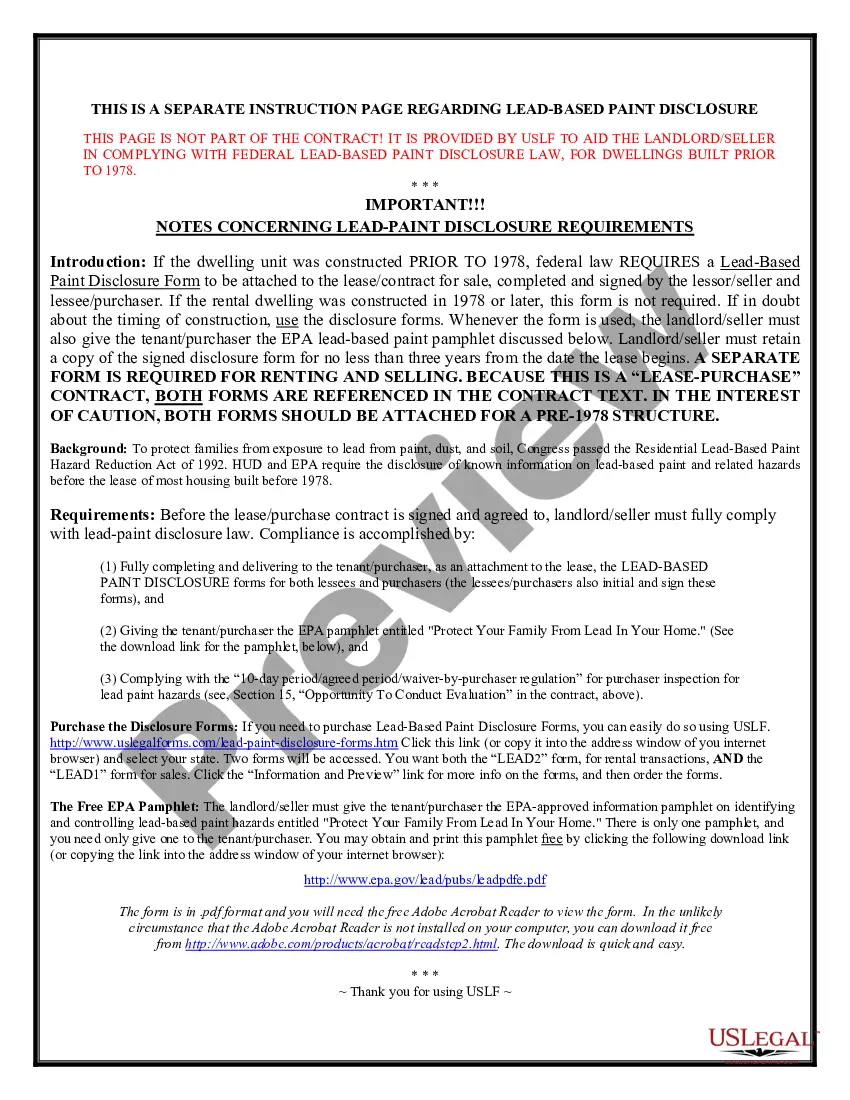
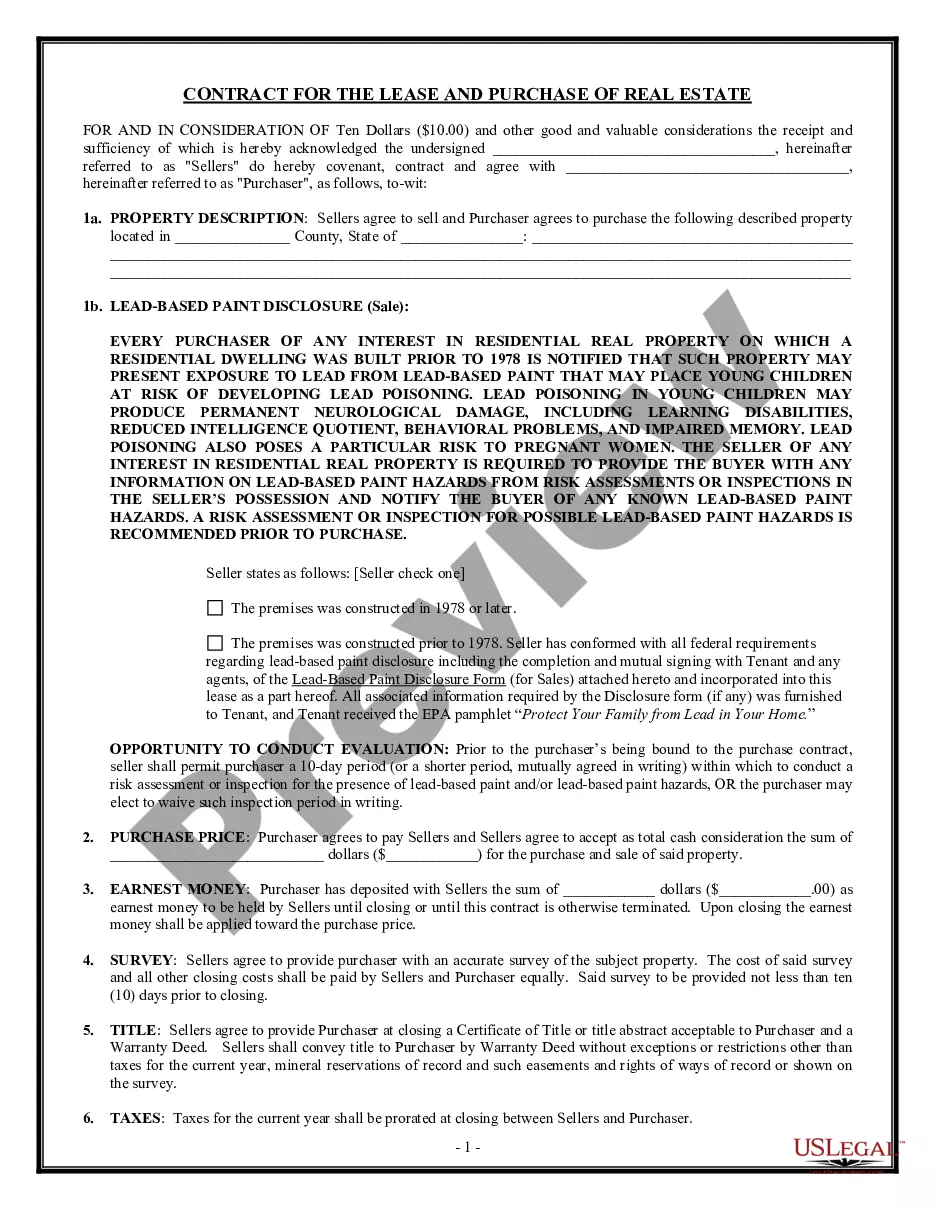
Get your form ready online
Our built-in tools help you complete, sign, share, and store your documents in one place.
Make edits, fill in missing information, and update formatting in US Legal Forms—just like you would in MS Word.
Download a copy, print it, send it by email, or mail it via USPS—whatever works best for your next step.
Sign and collect signatures with our SignNow integration. Send to multiple recipients, set reminders, and more. Go Premium to unlock E-Sign.
If this form requires notarization, complete it online through a secure video call—no need to meet a notary in person or wait for an appointment.
We protect your documents and personal data by following strict security and privacy standards.

Make edits, fill in missing information, and update formatting in US Legal Forms—just like you would in MS Word.

Download a copy, print it, send it by email, or mail it via USPS—whatever works best for your next step.

Sign and collect signatures with our SignNow integration. Send to multiple recipients, set reminders, and more. Go Premium to unlock E-Sign.

If this form requires notarization, complete it online through a secure video call—no need to meet a notary in person or wait for an appointment.

We protect your documents and personal data by following strict security and privacy standards.
Looking for another form?
Form popularity
FAQ
Here is an example clause: Due Diligence Period Clause: “The Buyer shall have a period of number of days days, starting from the Effective Date, to conduct a thorough due diligence review of the Property.
There are many possible examples of due diligence. Some common examples include investigating the financials of a company before making an investment, researching a person's background before hiring them, or reviewing environmental impact reports before committing to a construction project.
During the term of this Agreement, the Company will reasonably cooperate with any reasonable due diligence review conducted by the Agent in connection with the transactions contemplated hereby, including, without limitation, providing information and, upon reasonable prior notice, making available documents and senior ...
During the due-diligence period, a purchaser may order inspections, research zoning or permits, review environmental factors, or shop for insurance. A pest inspection is normally ordered as well as a home inspection.
If you discover material defects after the real estate transaction has closed, you may have an action for breach of contract. A qualified, local real estate attorney with experience in housing and construction defects can help you understand your rights and draft an appropriate demand letter.
If a buyer discovers hidden defects or unforeseen issues after closing, they may be able to sue the seller for damages. The specific legal options available will depend on the laws of the state where the property is located and the real estate contract terms.
Act Quickly: Two-Year Limit on Nondisclosure Lawsuits by Pennsylvania Home Buyers. ing to the applicable "statute of limitations," a home buyer alleging a violation of the Real Estate Disclosure law must bring an action for resulting damages within two years after the closing date or be barred from relief.
Timing – An action under the RESDL must be commenced within two years after the date of final settlement for the property (68 Pa. C.S.
Now that the home is under new ownership, the property owner bears the responsibility of anything related to the property. The only way you could be liable at this point, is if something happens and the buyer can prove that you should have known about it, and therefore were responsible to disclose it to them.
In the U.S., most states allow residential property buyers to conduct due diligence for up to two weeks. Commercial property buyers may have up to two months, partly because of a more complicated background check.