Forfeiture Clause Real Estate In Virginia
Description

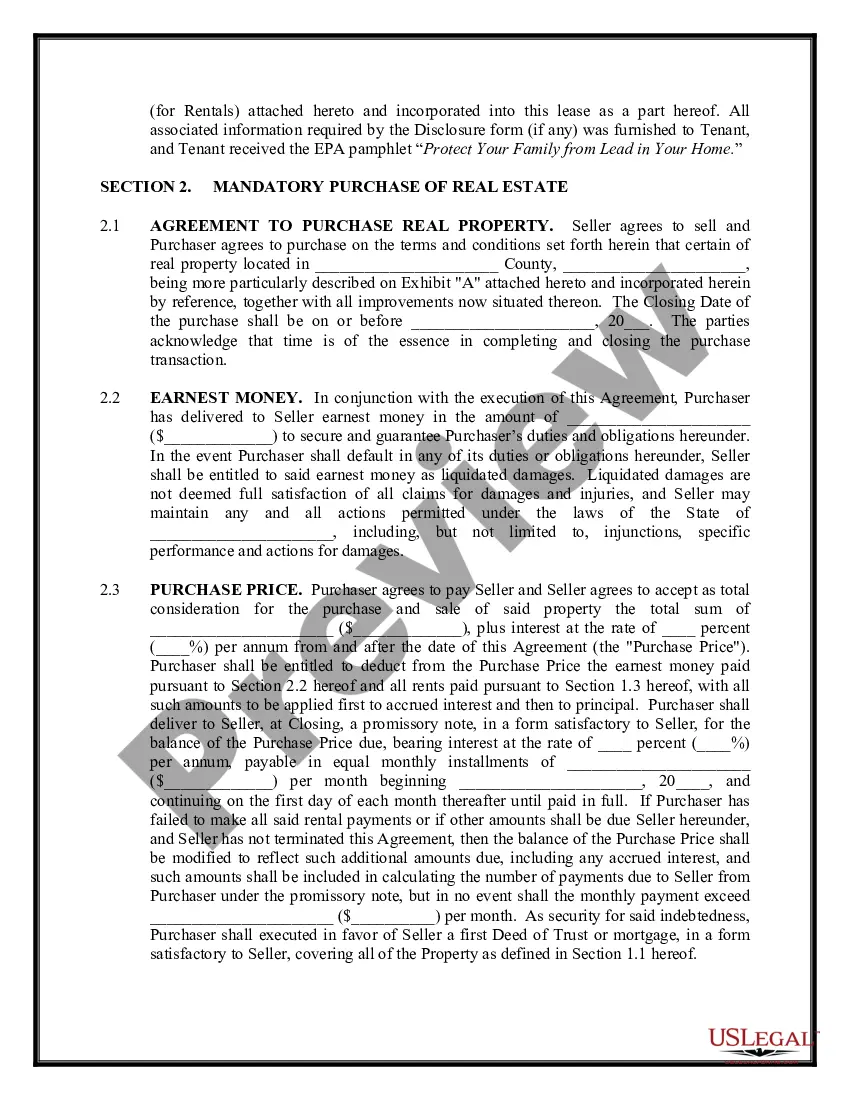
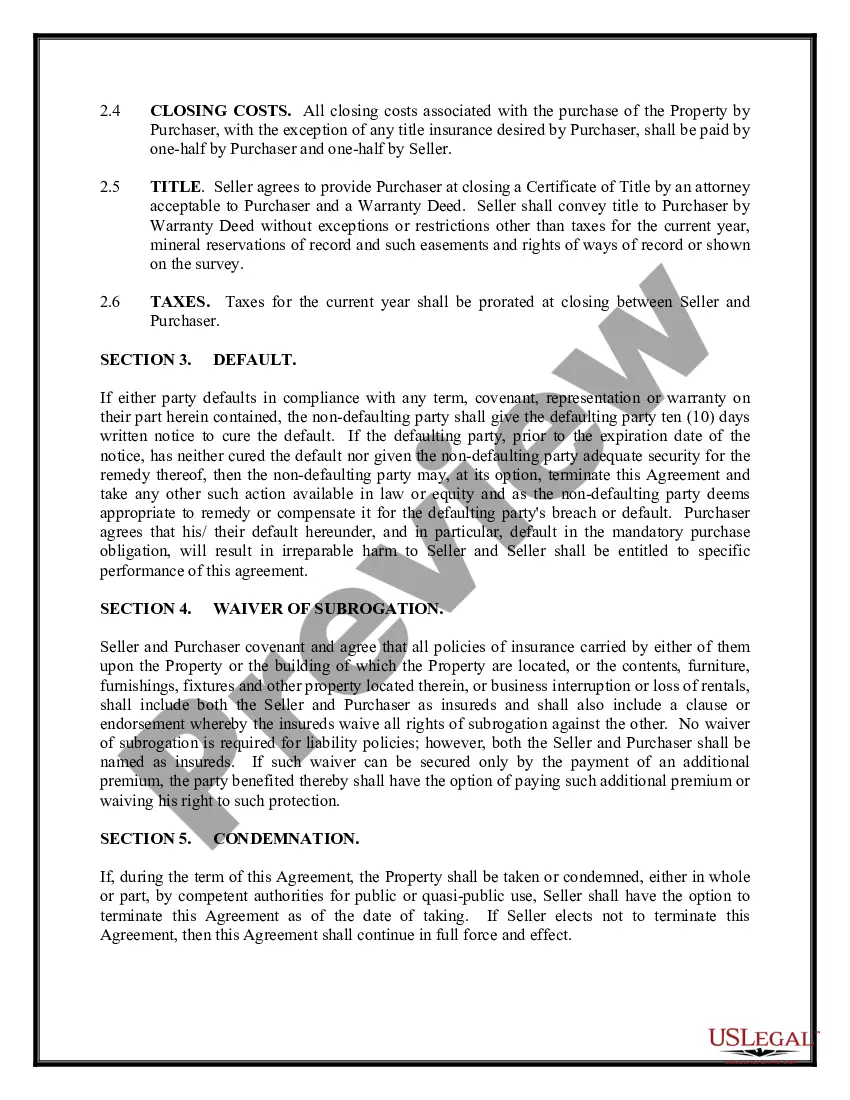
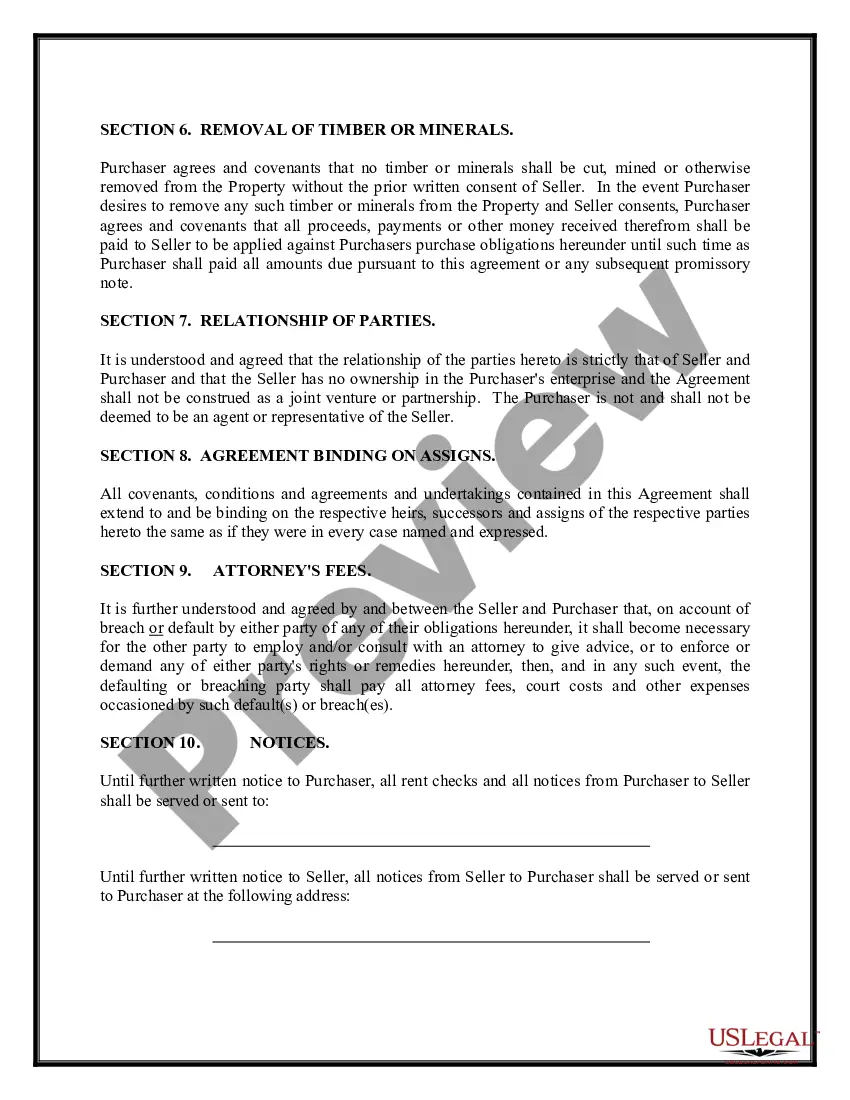
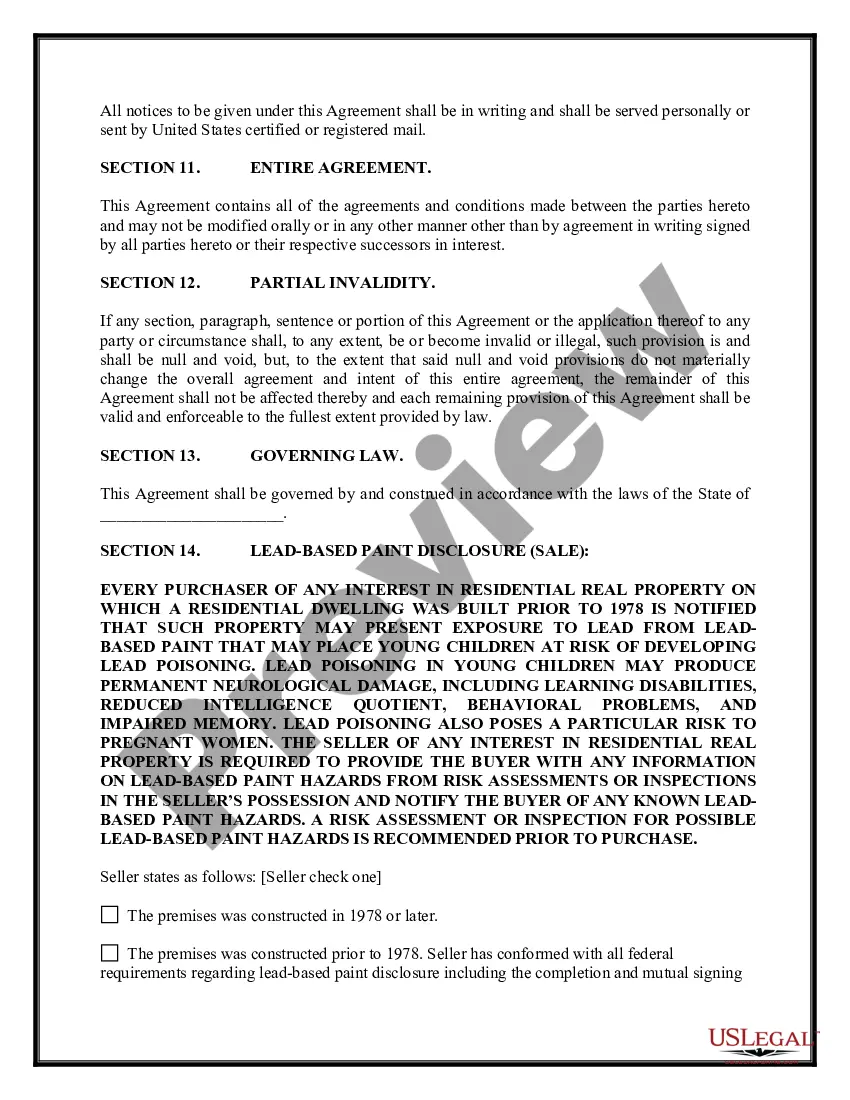
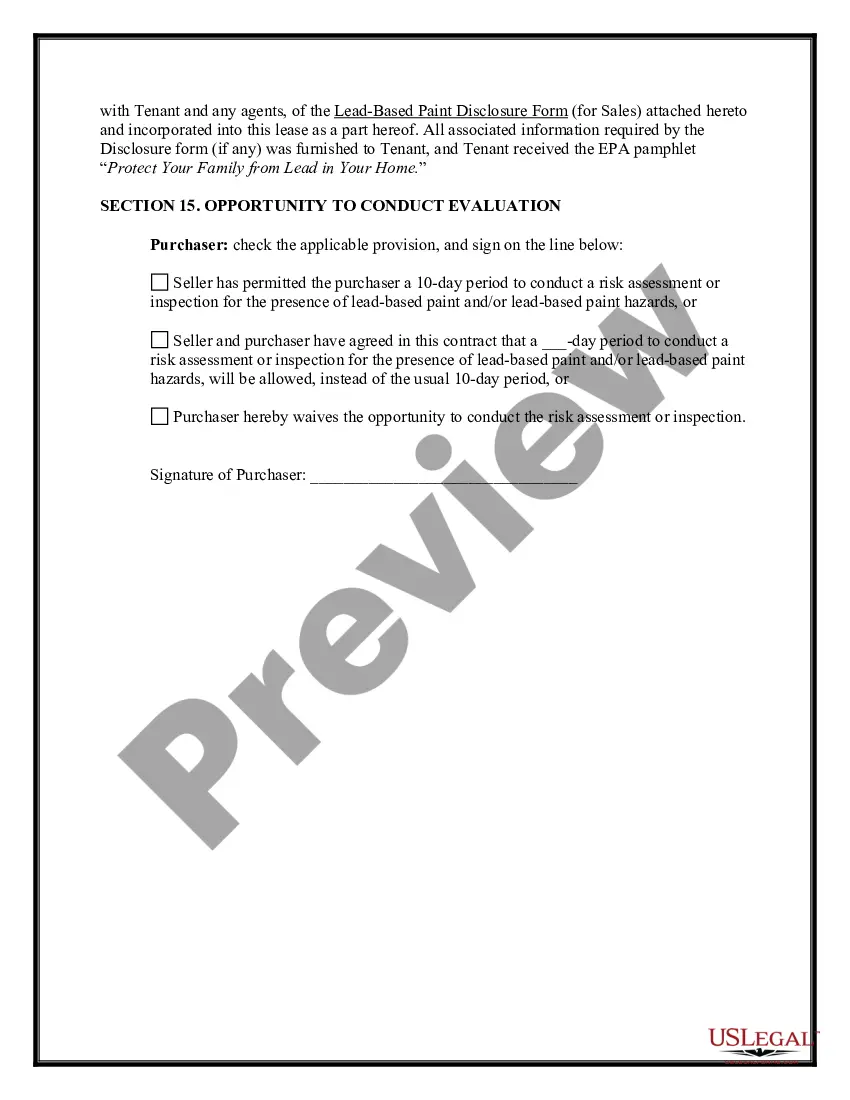
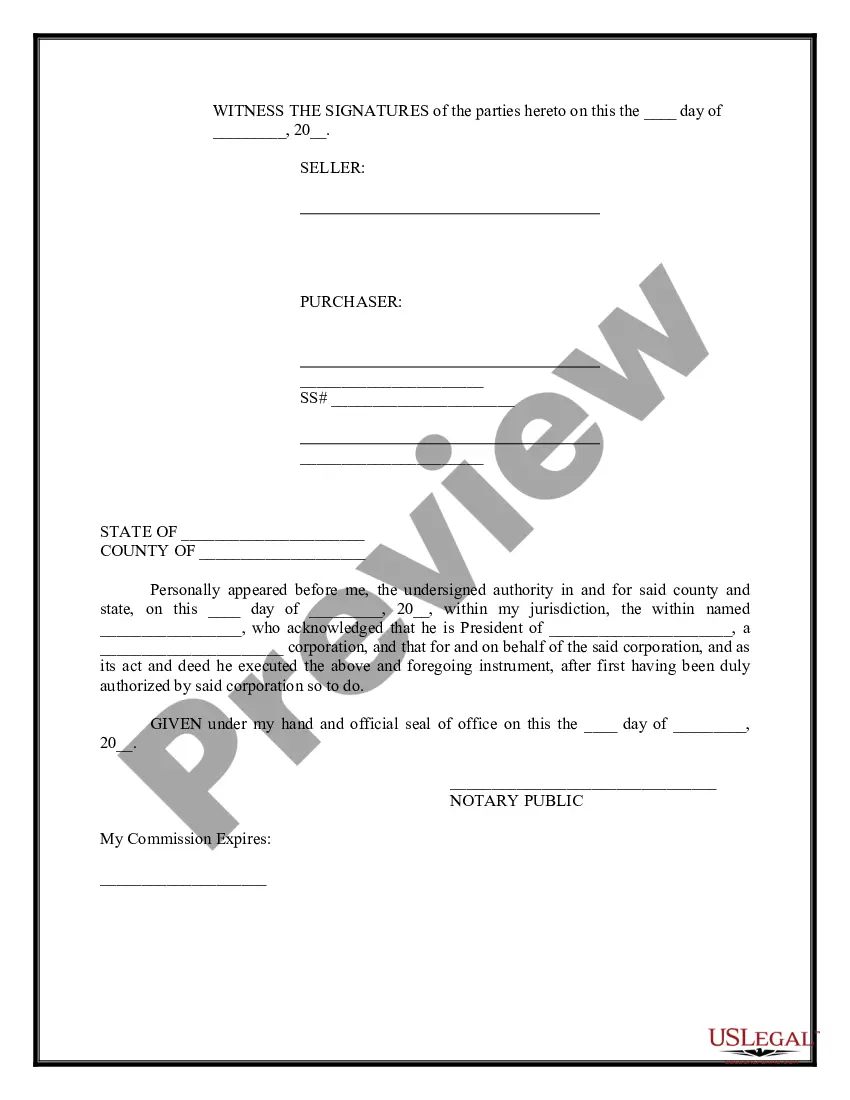
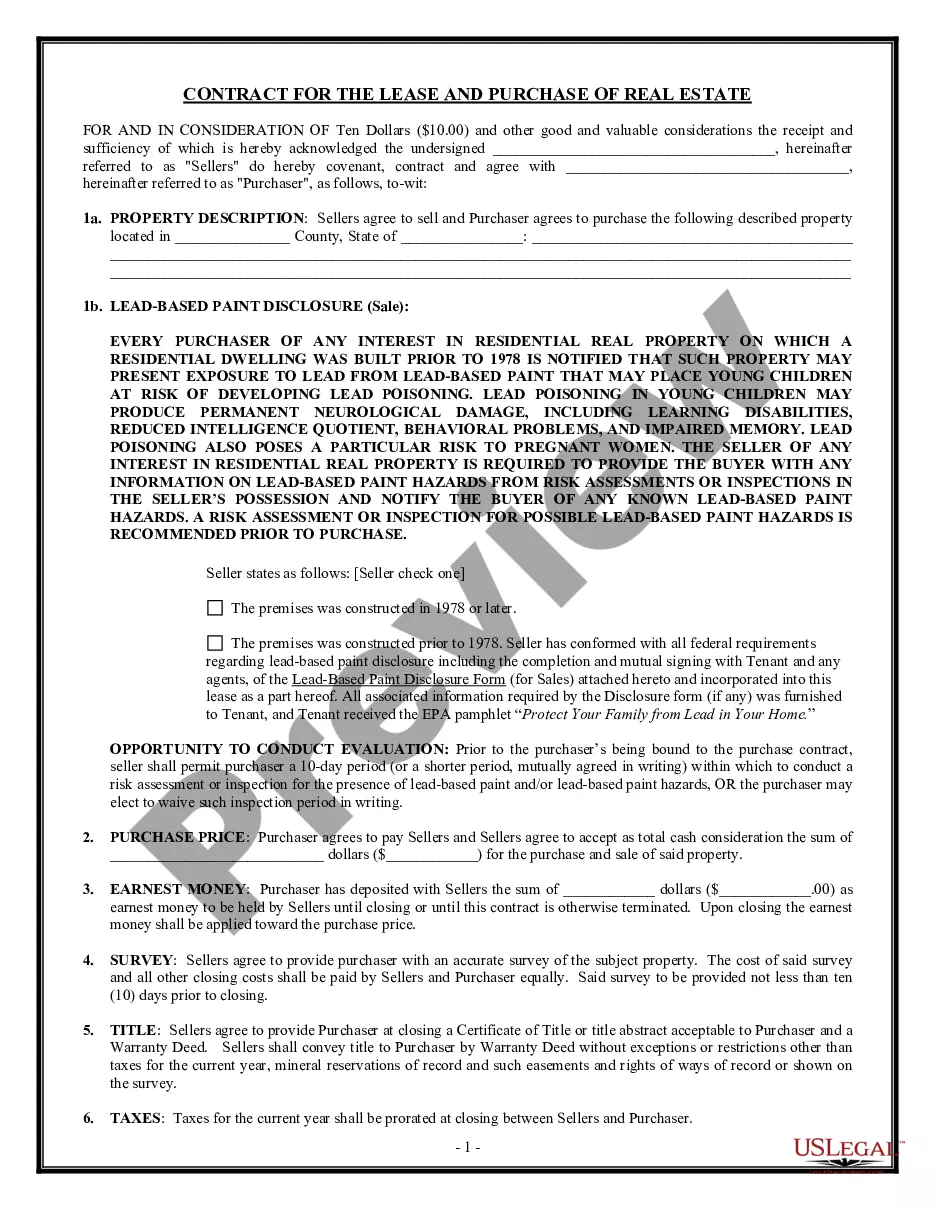
Get your form ready online
Our built-in tools help you complete, sign, share, and store your documents in one place.
Make edits, fill in missing information, and update formatting in US Legal Forms—just like you would in MS Word.
Download a copy, print it, send it by email, or mail it via USPS—whatever works best for your next step.
Sign and collect signatures with our SignNow integration. Send to multiple recipients, set reminders, and more. Go Premium to unlock E-Sign.
If this form requires notarization, complete it online through a secure video call—no need to meet a notary in person or wait for an appointment.
We protect your documents and personal data by following strict security and privacy standards.

Make edits, fill in missing information, and update formatting in US Legal Forms—just like you would in MS Word.

Download a copy, print it, send it by email, or mail it via USPS—whatever works best for your next step.

Sign and collect signatures with our SignNow integration. Send to multiple recipients, set reminders, and more. Go Premium to unlock E-Sign.

If this form requires notarization, complete it online through a secure video call—no need to meet a notary in person or wait for an appointment.

We protect your documents and personal data by following strict security and privacy standards.
Looking for another form?


Form popularity
FAQ
To start forfeiture proceedings the freeholder must inform the leaseholder that a breach of the terms of the lease has been committed and that the leaseholder has the opportunity to resolve the said breach. If the breach is not resolved, the freeholder can start court proceedings to recover possession.
Forfeiture is the process that a state agency uses to seize (take) property from an owner after someone is arrested, charged, or convicted of a specific crime.
In law, a forfeiture is the loss of rights or goods due to not fulfilling some obligation. For example, failing to make car payments to a bank can result in the forfeiture of your car. the act of losing or surrendering something as a penalty for a mistake or fault or failure to perform etc.
The lease must expressly give the landlord the right to forfeit. This clause will ordinarily give the landlord the right to forfeit once the tenant has been in breach for a period of time – typically 14 or 21 days.
A purchaser shall have the right to cancel the contract until midnight of the seventh calendar day following the execution of such contract. If the seventh calendar day falls on a Sunday or legal holiday, then the right to cancel the contract shall expire on the day immediately following that Sunday or legal holiday.
Asset forfeiture is among the government's most powerful legal tools. With this right, the government can seize your personal property without compensation if it presumes that the property was used in the commission of a criminal offense or purchased with the profits of criminal activity.
Asset forfeiture in California: When can the government seize my property? California asset forfeiture laws allow the government to seize (and sometimes keep) your property when there is evidence that the property was either used in the commission of a crime, or obtained by way of criminal activity.
The right of the people to be secure in their persons, houses, papers, and effects against unreasonable seizures and searches, shall not be violated, and a warrant may not be issued except on probable cause, supported by oath or affirmation, particularly describing the place to be searched and the persons and things to ...