Personal Assets With Examples In Collin
Description

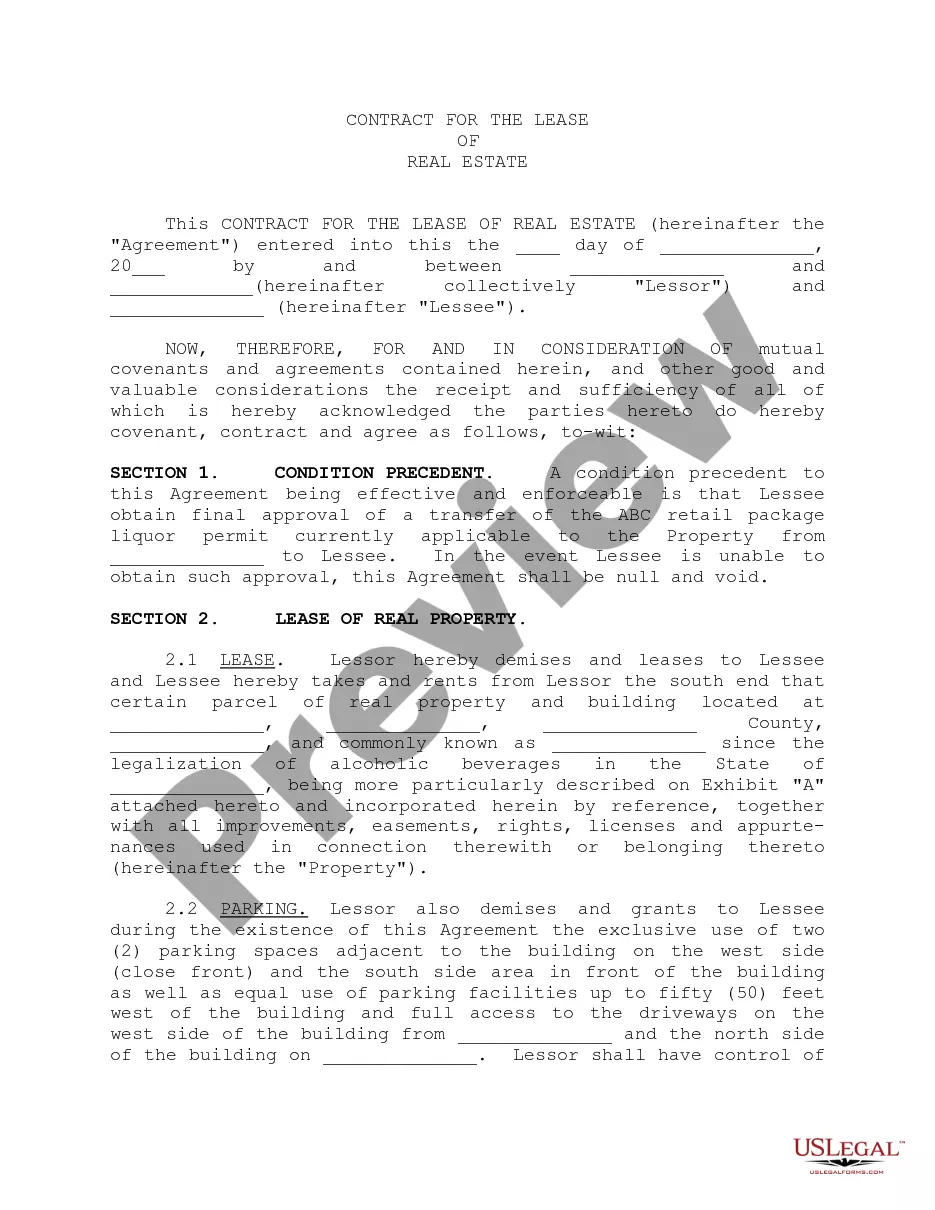
Get your form ready online
Our built-in tools help you complete, sign, share, and store your documents in one place.
Make edits, fill in missing information, and update formatting in US Legal Forms—just like you would in MS Word.
Download a copy, print it, send it by email, or mail it via USPS—whatever works best for your next step.
Sign and collect signatures with our SignNow integration. Send to multiple recipients, set reminders, and more. Go Premium to unlock E-Sign.
If this form requires notarization, complete it online through a secure video call—no need to meet a notary in person or wait for an appointment.
We protect your documents and personal data by following strict security and privacy standards.

Make edits, fill in missing information, and update formatting in US Legal Forms—just like you would in MS Word.

Download a copy, print it, send it by email, or mail it via USPS—whatever works best for your next step.

Sign and collect signatures with our SignNow integration. Send to multiple recipients, set reminders, and more. Go Premium to unlock E-Sign.

If this form requires notarization, complete it online through a secure video call—no need to meet a notary in person or wait for an appointment.

We protect your documents and personal data by following strict security and privacy standards.
Looking for another form?
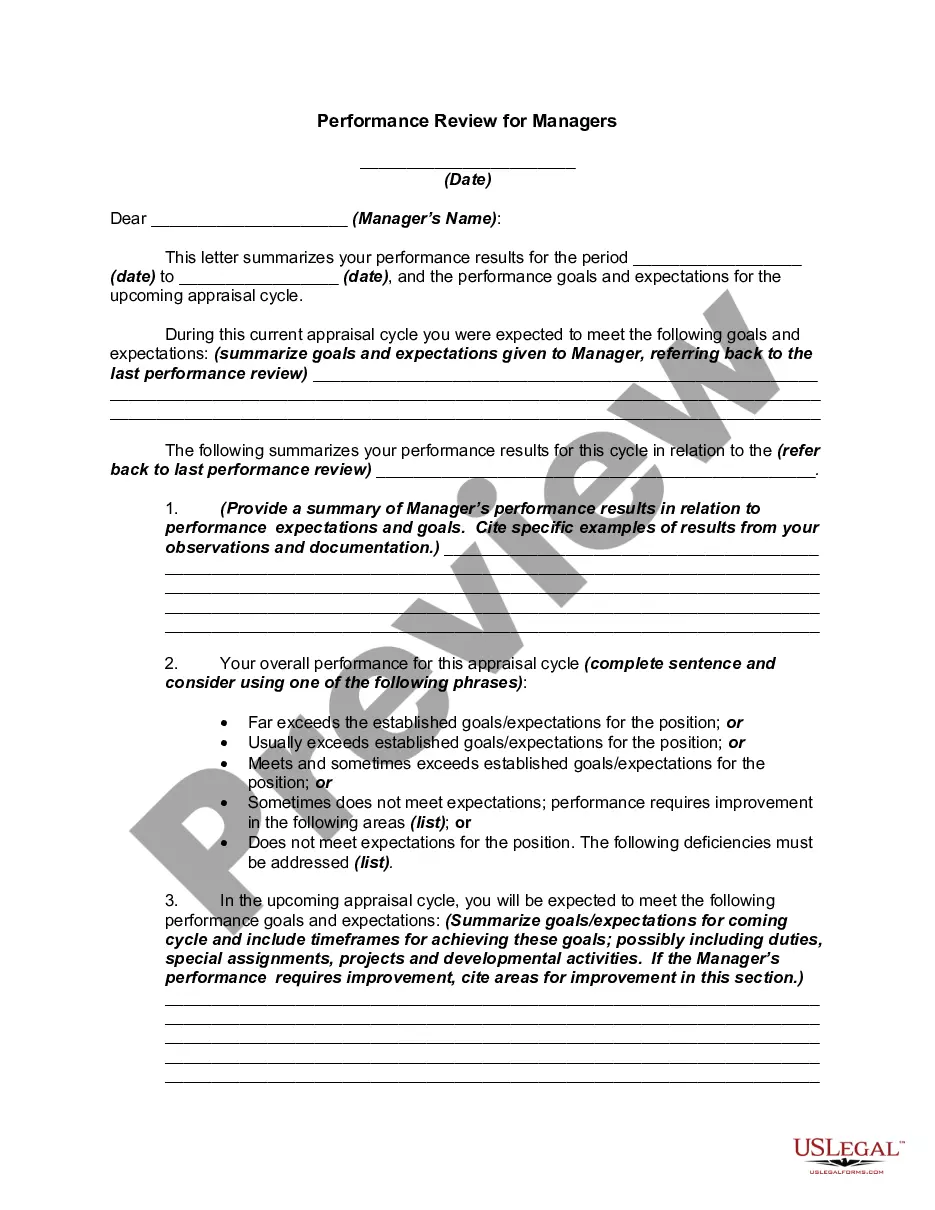
Form popularity
FAQ
Examples of personal assets include: Your home. Other property, such as a rental house or commercial property. Checking/savings account. Classic cars. Financial accounts. Gold/jewelry/coins. Collectibles/art. Life insurance policies.
How to set up a personal net worth statement. List your assets (what you own), estimate the value of each, and add up the total. Include items such as. List your liabilities (what you owe) and add up the outstanding balances. Subtract your liabilities from your assets to determine your personal net worth.
Asset-Based Pedagogies view the diversity that students bring to the classroom, including culture, language, disability, socio-economic status, immigration status, and sexuality as characteristics that add value and strength to classrooms and communities.
Search Institute has identified four assets in the Positive Identity category that are crucial for helping young people: Personal Power, Self-Esteem, Sense of Purpose, and Positive View of Personal Future.
Self-identity is defined as an individual's adoption of particular groups (e.g., 'I am vegan') and/or traits ('I am honest') as part of their self-concept (Fleming & Petty, 2000; Tajfel & Turner, 1986). It encompasses a person's uniqueness expressed through one's values, attitudes and opinions.
Whatever helps your customer recognise your company, product or service is an Identity Asset. Everything from trademarks, designs, domain names, images and social media can be protected, increasing the value of your brand and securing your reputation.
Personal identity is the concept you develop about yourself that evolves over the course of your life. This may include aspects of your life that you have no control over, such as where you grew up or the color of your skin, as well as choices you make in life, such as how you spend your time and what you believe.
These include categories such as social class, race, gender identity, political affinity, and of course, religion and sexual orientation.