Personal Property On Purchase Agreement In King
Description

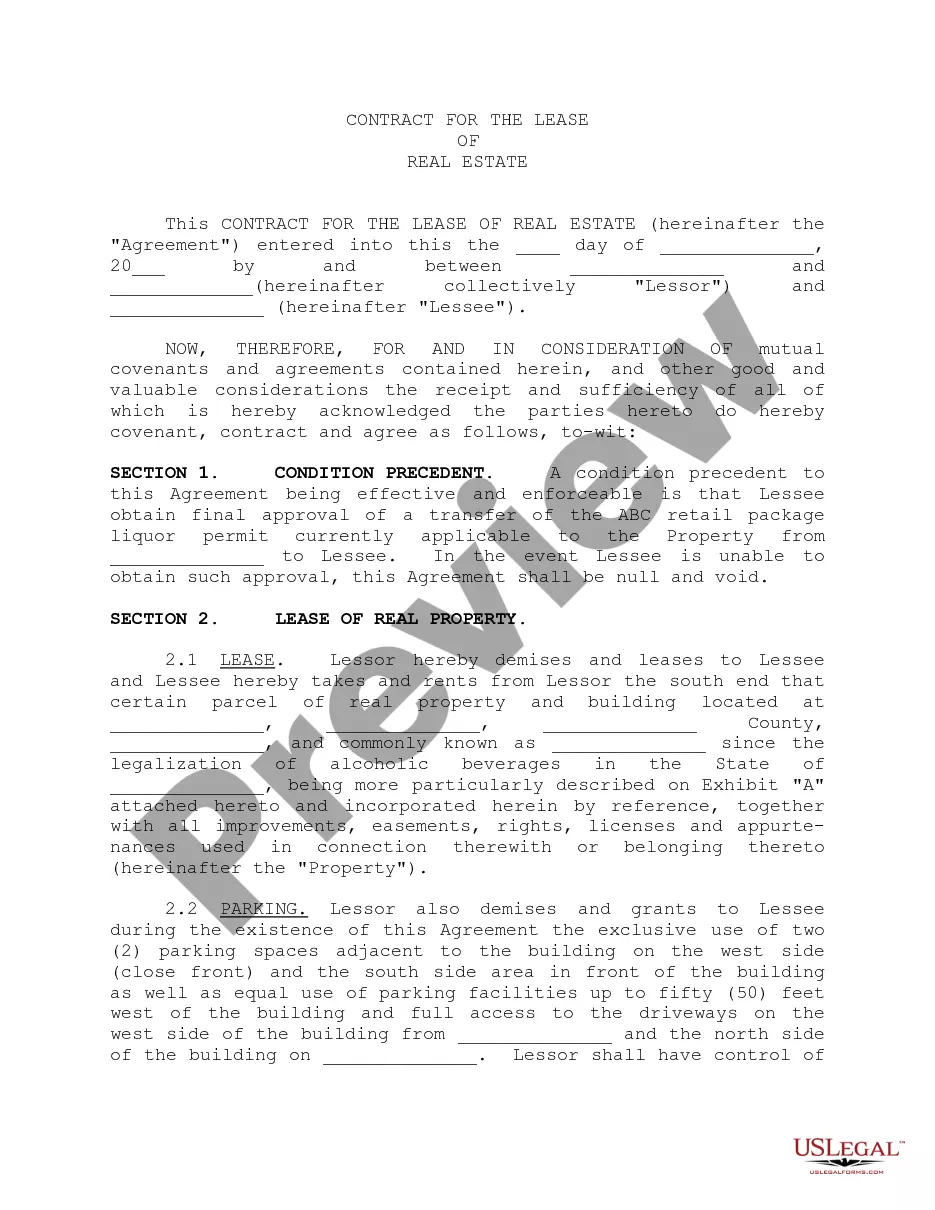
Get your form ready online
Our built-in tools help you complete, sign, share, and store your documents in one place.
Make edits, fill in missing information, and update formatting in US Legal Forms—just like you would in MS Word.
Download a copy, print it, send it by email, or mail it via USPS—whatever works best for your next step.
Sign and collect signatures with our SignNow integration. Send to multiple recipients, set reminders, and more. Go Premium to unlock E-Sign.
If this form requires notarization, complete it online through a secure video call—no need to meet a notary in person or wait for an appointment.
We protect your documents and personal data by following strict security and privacy standards.

Make edits, fill in missing information, and update formatting in US Legal Forms—just like you would in MS Word.

Download a copy, print it, send it by email, or mail it via USPS—whatever works best for your next step.

Sign and collect signatures with our SignNow integration. Send to multiple recipients, set reminders, and more. Go Premium to unlock E-Sign.

If this form requires notarization, complete it online through a secure video call—no need to meet a notary in person or wait for an appointment.

We protect your documents and personal data by following strict security and privacy standards.
Looking for another form?
Form popularity
FAQ
To convey is to make a transfer of a property interest to another individual by either sale or gift. This transaction is known as a conveyance. The standard way to convey a property interest is through a deed. The party who conveys property is known as the conveyor.
Classifications Intangible. Tangible. Other distinctions.
The attachment method is the most important in determining the two. If the object has formed part of the home and has been used by the initial tenants, then it is considered a fixture and not personal property, for example, built-in electronics like a microwave or a fan.
Personal property may not be included as additional security for any mortgage on a one-unit property unless otherwise specified by Fannie Mae. For example, certain personal property is pledged when the Multistate Rider and Addenda ( Form 3170) is used.
The form of transfer depends on whether the property is real or personal. Real property is normally transferred by a deed, which must meet formal requirements dictated by state law. By contrast, transfer of personal property often can take place without any documents at all.
A separate contract has to be drawn up to transfer personal property. Personal property cannot be transferred with real property. The sales contract can include a section for listing any personal property that will be. How can personal property be conveyed along with real property?
Classifications Intangible. Tangible. Other distinctions.
Personal property refers to anything you own other than real estate. This includes vehicles, jewelry, art, furniture, and other tangible items.
The three fundamental types of property are real property, personal property, and intellectual property, and they are as follows: The real property comprises land or immovable property, improvements on land that may be legally owned and utilized, such as harvests, houses, equipment, and roadways.