Personal Property Statement With No Intrinsic Value Called In Maricopa
Description

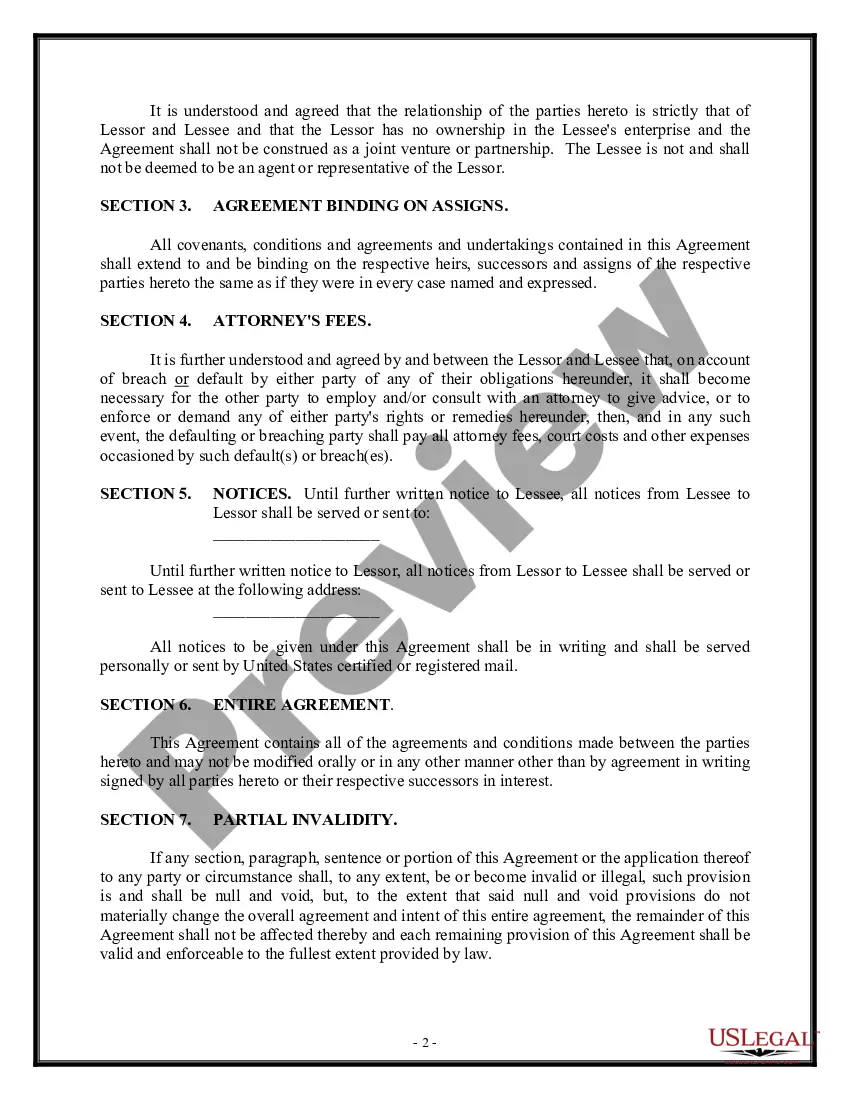
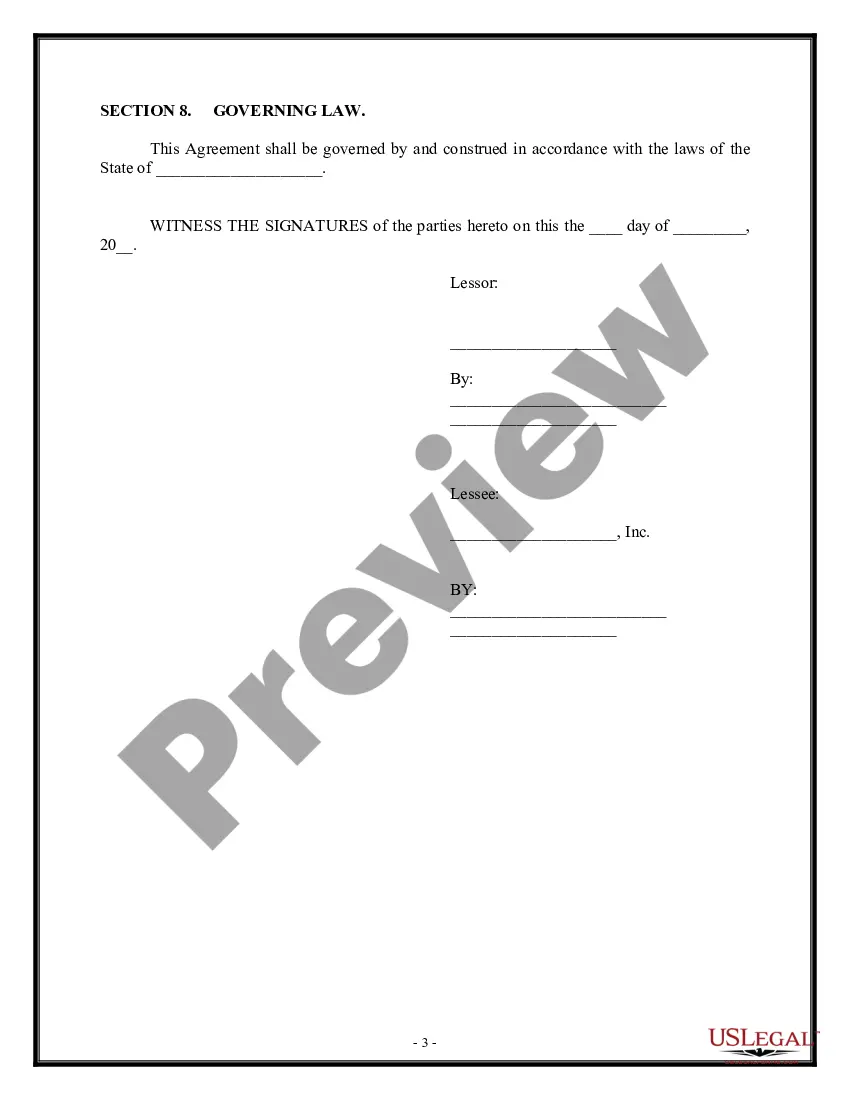
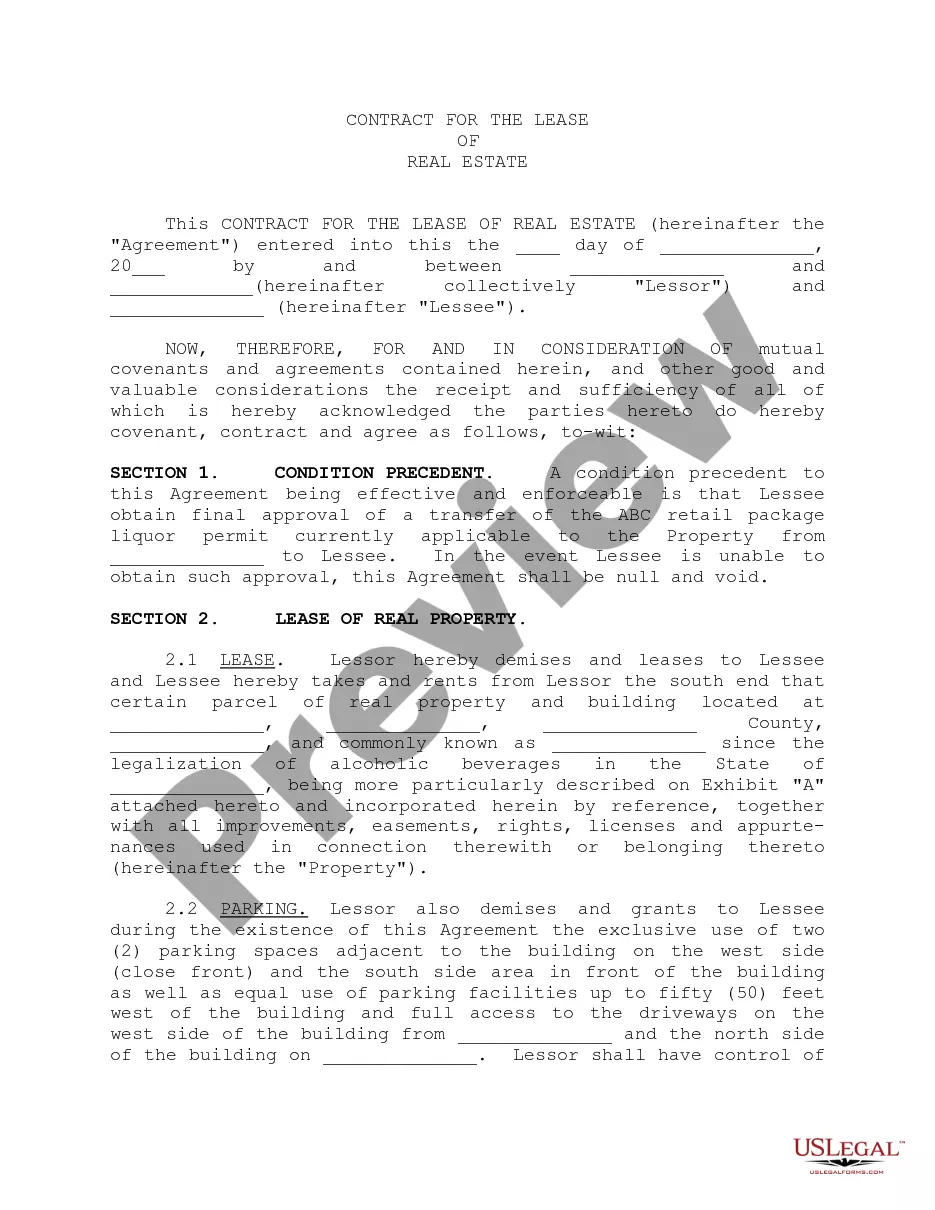
Get your form ready online
Our built-in tools help you complete, sign, share, and store your documents in one place.
Make edits, fill in missing information, and update formatting in US Legal Forms—just like you would in MS Word.
Download a copy, print it, send it by email, or mail it via USPS—whatever works best for your next step.
Sign and collect signatures with our SignNow integration. Send to multiple recipients, set reminders, and more. Go Premium to unlock E-Sign.
If this form requires notarization, complete it online through a secure video call—no need to meet a notary in person or wait for an appointment.
We protect your documents and personal data by following strict security and privacy standards.
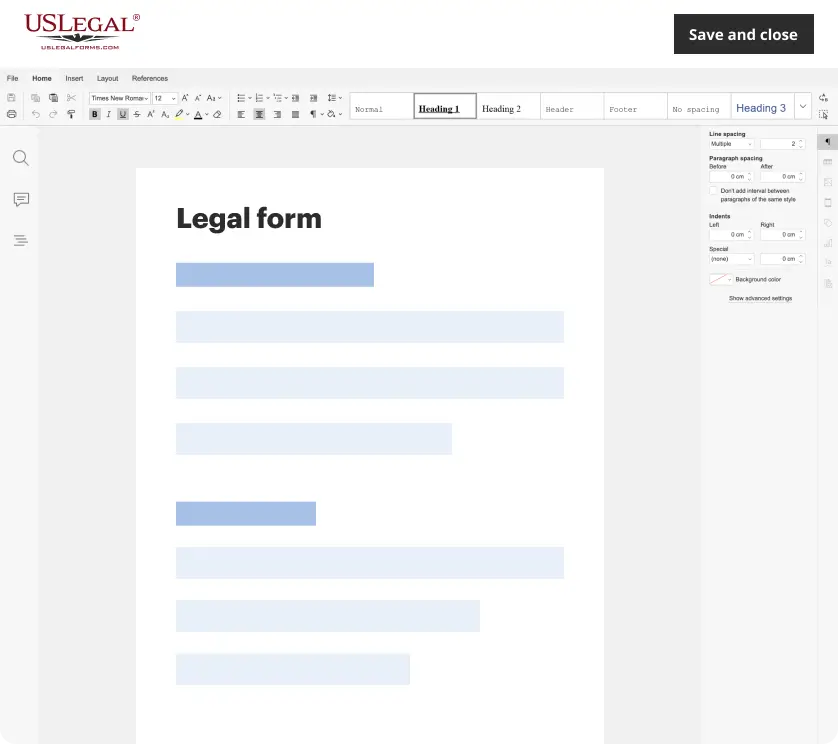
Make edits, fill in missing information, and update formatting in US Legal Forms—just like you would in MS Word.
Download a copy, print it, send it by email, or mail it via USPS—whatever works best for your next step.
Sign and collect signatures with our SignNow integration. Send to multiple recipients, set reminders, and more. Go Premium to unlock E-Sign.

If this form requires notarization, complete it online through a secure video call—no need to meet a notary in person or wait for an appointment.
We protect your documents and personal data by following strict security and privacy standards.
Looking for another form?
Form popularity
FAQ
To qualify you must meet certain criteria: 1. Property owner (applicant) must be 65 years of age or older. 2.
Property taxes in Arizona are imposed on both real and personal property.
Limited Property means any lease, licence or other right, title or interest which forms part of Club Property and, whether by agreement or otherwise, will cease to form part of Club Property at some fixed and determinable future time; Sample 1.
Qualifications. Age: At least one property owner must be the minimum qualifying age of 65 at the time of application. Residence: The property must be the owner(s) primary residence. A "primary" residence is that residence which is occupied by the property owner(s) for an aggregate of nine months of the calendar year.
The Limited Property Value is determined by law. State statutes provide the formulas to be used in calculating the Limited Property Value (see Arizona Revised Statutes §§ 42-13301 through 13304). RULE A: Typically, for real property, the Limited Value will increase 5% over the prior year's Limited Property Value.
Tangible personal property can be subject to ad valorem taxes, meaning the amount of tax payable depends on each item's fair market value. In most states, a business that owned tangible property on January 1 must file a tax return form with the property appraisal office no later than April 1 in the same year.
Legal Classes: 3.2 - Primary Residence of a qualified family member. 3.3 Primary Residence also leased or rented to lodgers. 4.1 - Non-Primary Residence. 4.2 - Residential Rental.
What is the notice of valuation? Each year the Assessor mails property owners a “Notice of Value”. This form informs the owner of the property's total assessed value, property description and exemptions applied to the property.
Property classified as Legal Class 4.1 is not listed as a registered rental but still does not receive the State Aid to Education Tax Credit. An example of a property in Legal Class 4.1 is a secondary home.