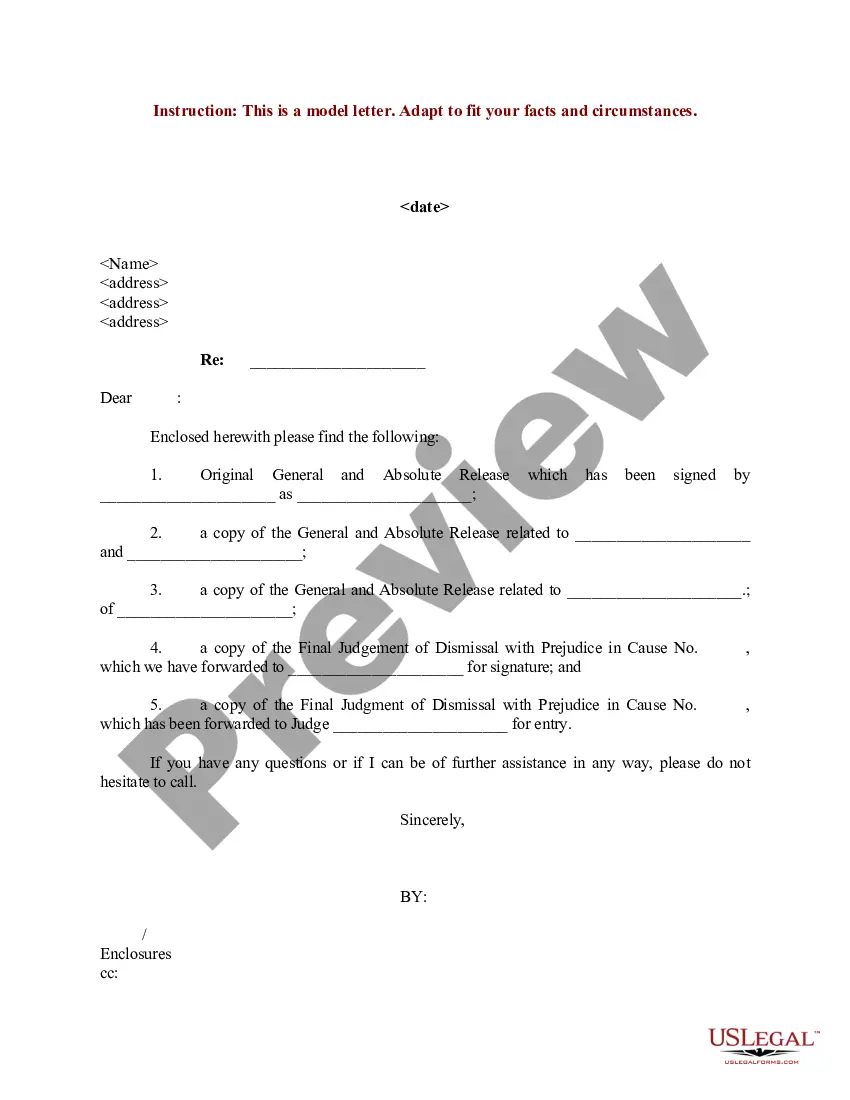
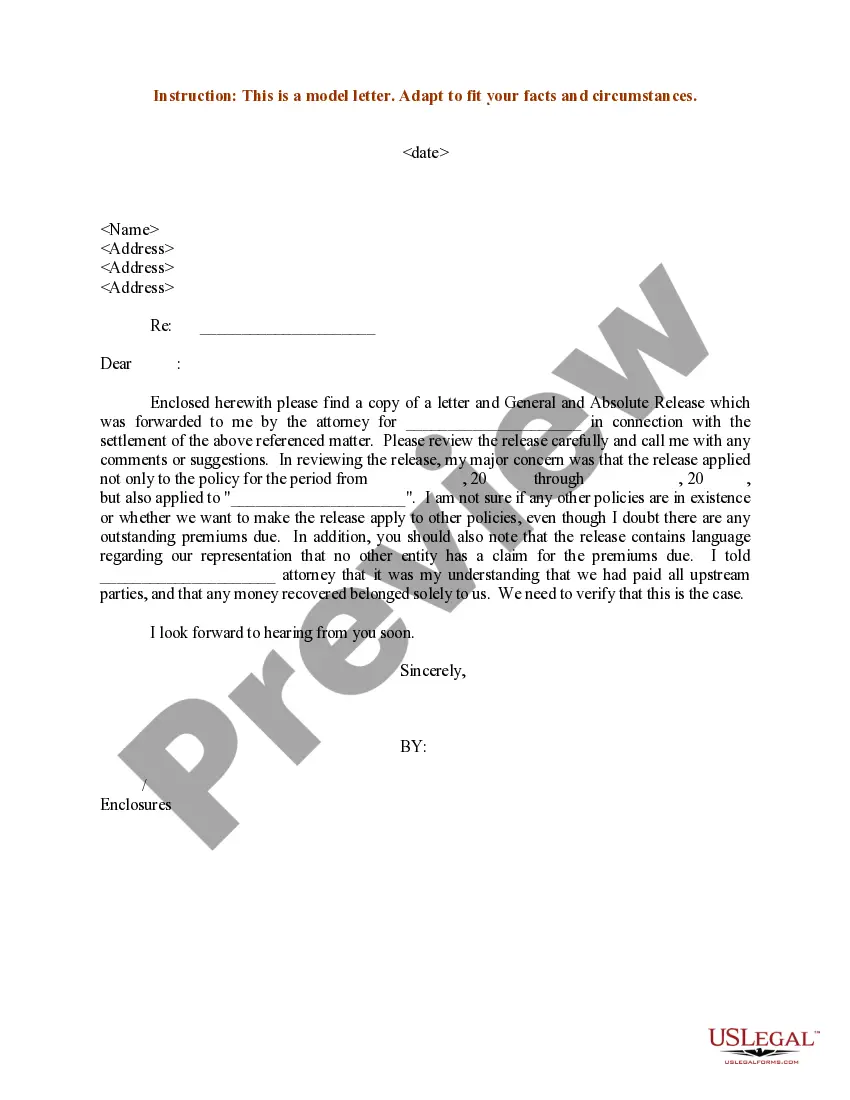
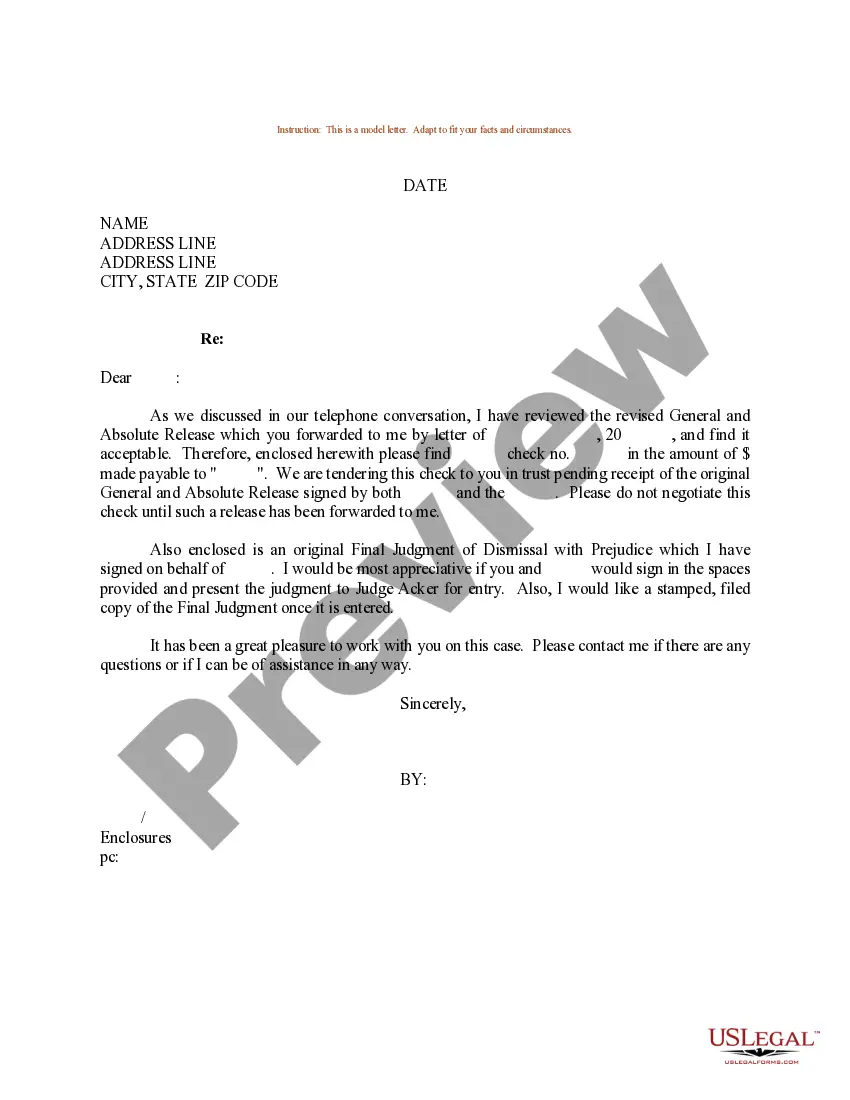
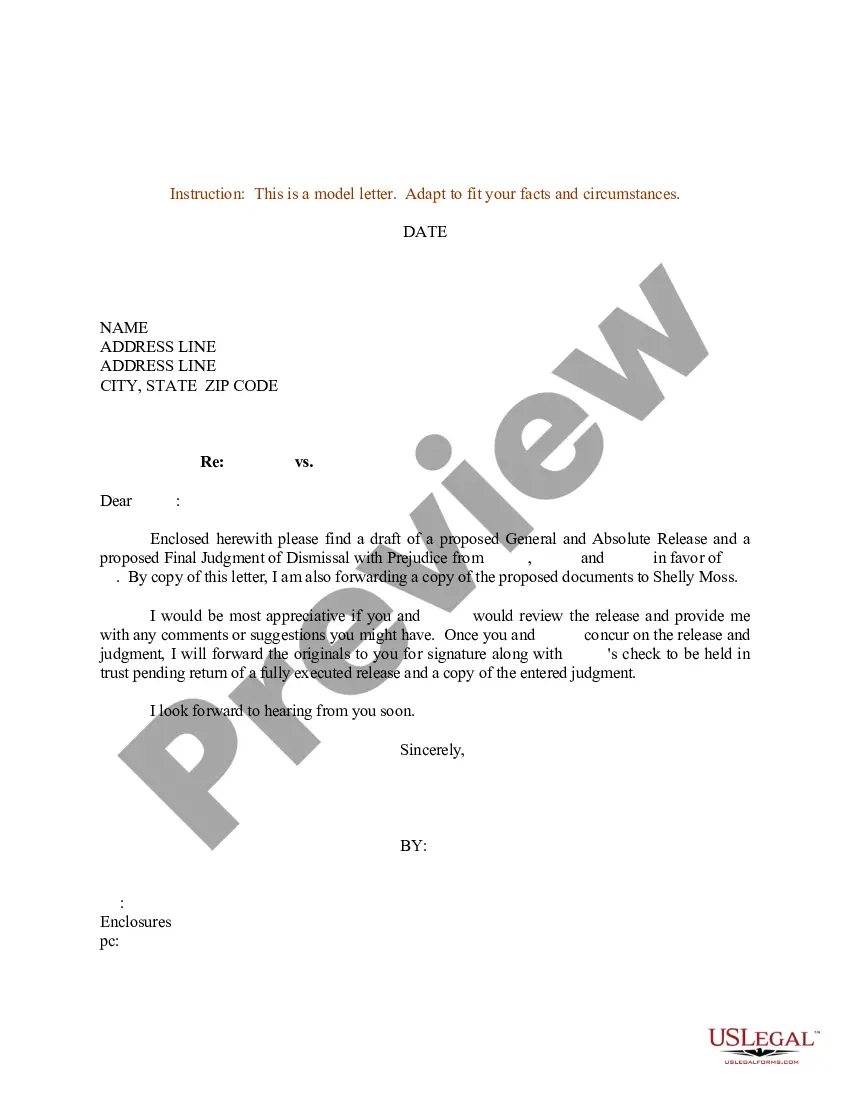
Release Letter Sample With Greetings In Bronx
Description

Get your form ready online
Our built-in tools help you complete, sign, share, and store your documents in one place.
Make edits, fill in missing information, and update formatting in US Legal Forms—just like you would in MS Word.
Download a copy, print it, send it by email, or mail it via USPS—whatever works best for your next step.
Sign and collect signatures with our SignNow integration. Send to multiple recipients, set reminders, and more. Go Premium to unlock E-Sign.
If this form requires notarization, complete it online through a secure video call—no need to meet a notary in person or wait for an appointment.
We protect your documents and personal data by following strict security and privacy standards.
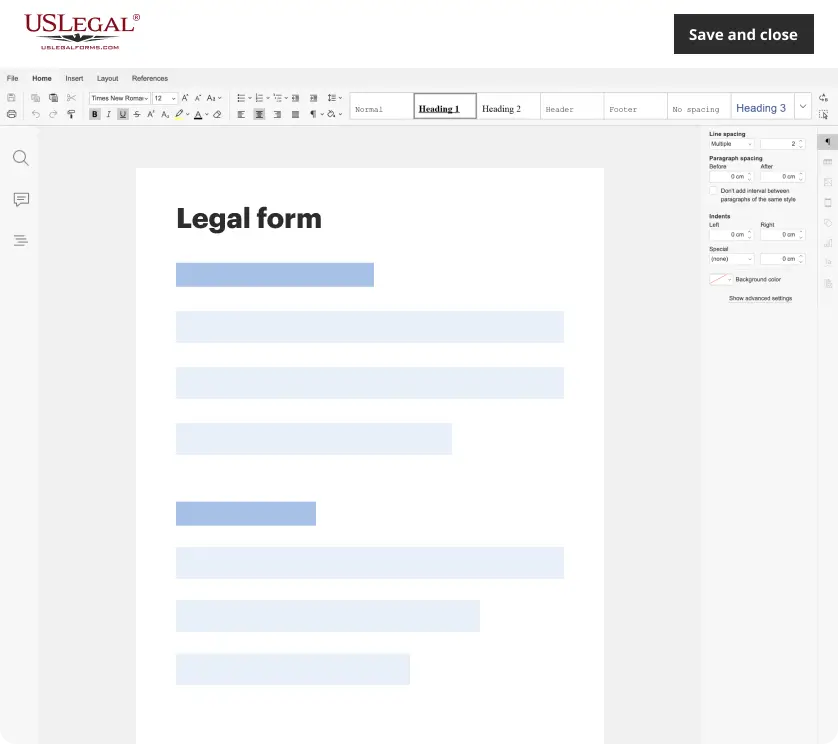
Make edits, fill in missing information, and update formatting in US Legal Forms—just like you would in MS Word.
Download a copy, print it, send it by email, or mail it via USPS—whatever works best for your next step.
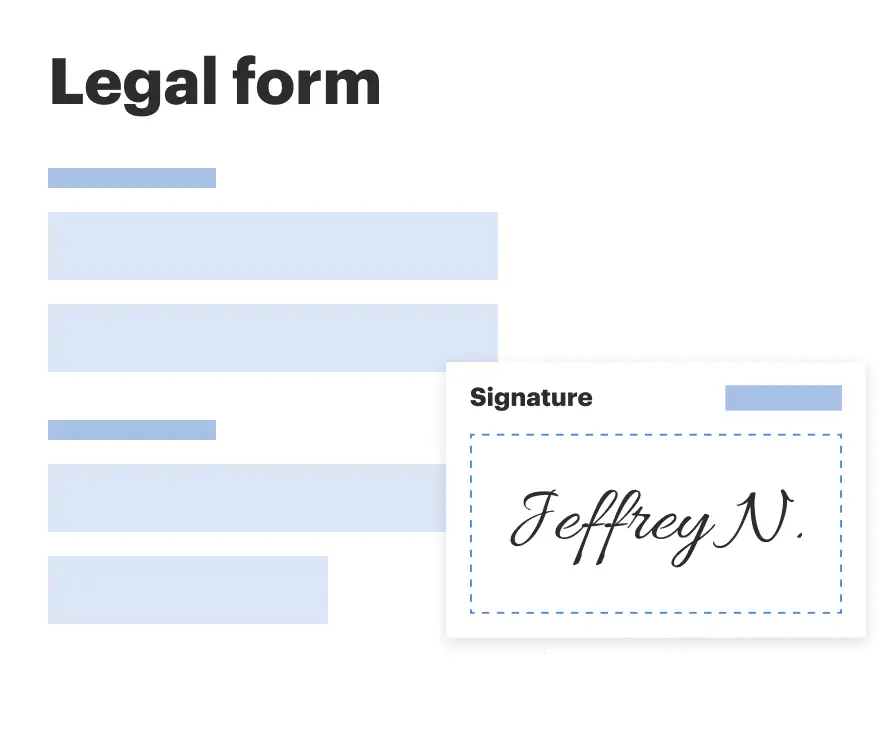
Sign and collect signatures with our SignNow integration. Send to multiple recipients, set reminders, and more. Go Premium to unlock E-Sign.

If this form requires notarization, complete it online through a secure video call—no need to meet a notary in person or wait for an appointment.
We protect your documents and personal data by following strict security and privacy standards.
Looking for another form?
Form popularity
FAQ
Some of the best opening lines for a formal letter include: ``I am writing to inform you...'' ``I am writing in regards to...'' ``I am writing to express my interest in...'' ``I am writing to request...'' ``I am writing to discuss...'' ``I am writing to follow up on...'' ``I am writing to confirm...''
Some of the best opening lines for a formal letter include: ``I am writing to inform you...'' ``I am writing in regards to...'' ``I am writing to express my interest in...'' ``I am writing to request...'' ``I am writing to discuss...'' ``I am writing to follow up on...'' ``I am writing to confirm...''
Some of the best opening lines for a formal letter include: ``I am writing to inform you...'' ``I am writing in regards to...'' ``I am writing to express my interest in...'' ``I am writing to request...'' ``I am writing to discuss...'' ``I am writing to follow up on...'' ``I am writing to confirm...''
Provide relevant background info on the subject of the letter. In a maximum of a few sentences, introduce yourself or your acquaintance by stating a job title, a brief summary of work experience as it relates to the recipient, and any praise or accolades that could impress the recipient.
On the other hand, there are some general guidelines on how to format an open letter. Start with a strong introduction. Explain your purpose. Give evidence to support your claims. End with a call to action. Open letter to Elisabeth DeLuca, Subway owner. Open letter to President Biden on the climate crisis.
If you're writing to your representative or senator, begin the letter with "Dear Senator/Representative Last Name." If you're writing to the governor, begin with "Dear Governor Last Name." End the letter with "Sincerely" or "Respectfully" and sign your name.
Here are seven steps you can take to write an informative letter: Research your topic. Write your letter heading. Add the recipient information. Draft the body of the letter. Write a conclusion. Proofread your letter. Send your letter. Explain why the information matters.
In a formal letter, the standard salutation is “Dear” followed by the recipient's title and last name. Begin your letter with “Dear recipient's name” and add a comma after the name.