Meeting Notice For Teachers In Nevada
Description


Form popularity
FAQ
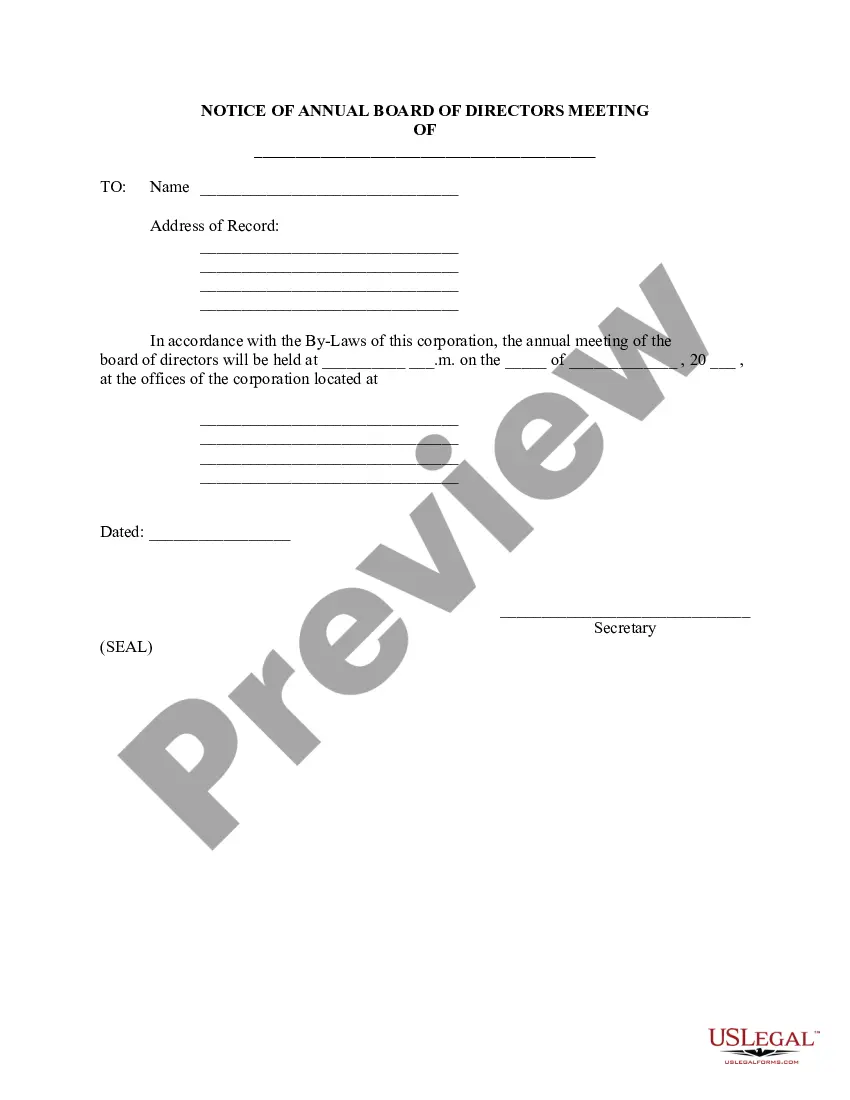
A proper meeting notice should include: Date, Time, and Venue: Clear details on when and where the meeting will take place. Purpose of the Meeting: A brief description of the meeting's objectives. Agenda: An outline of topics to be discussed; this helps attendees prepare for the meeting.
How much notice must be given? The general rule is that at least 21 days' notice must be given, although constitutions may specify longer. More than 28 days' notice must be given for listed companies regardless of what the company constitution says (s 249HA).
How to Write the Notice of Meeting (With Template) Meeting Title. Date, Time, and Duration. Location. Attendees. Meeting Objectives. Agenda. Preparation Materials. RSVP Information.
2.3. 1 Under the Act, the minimum period of notice for any General Meeting is 14 clear days.
5 tips for writing better meeting invitation emails Write a clear, concise subject line. With an estimated 361.6 billion emails sent and received every day, our inboxes are a crowded place. Include important meeting details. Share a meeting agenda. Add a personal touch. Keep it short and sweet.
A notice of meeting is a written document that informs company members and shareholders that a meeting will take place. It is an invitation that details the time and place of the scheduled meeting and also informs stakeholders of the topics to be discussed.
The Board sets policy standards to ensure that all students receive equal and equitable access to a high-quality education in a safe, respectful, and culturally responsive environment.
Elected District 2 Angela Orr, who grew up in Lake Tahoe and then attended the University of Nevada, Reno, has dedicated her career to serving students and educators throughout Northern Nevada.
Elected District 2 Angela Orr, who grew up in Lake Tahoe and then attended the University of Nevada, Reno, has dedicated her career to serving students and educators throughout Northern Nevada.
States hold the primary responsibility for the following tasks: Maintaining and operating public schools. Establishing and selecting public school curricula. Regulating teaching methods and instructional materials. Deciding on educational funding and special education programs. Setting standards for teacher qualifications.

