Meeting Annual Consider For This Position In Massachusetts
Description
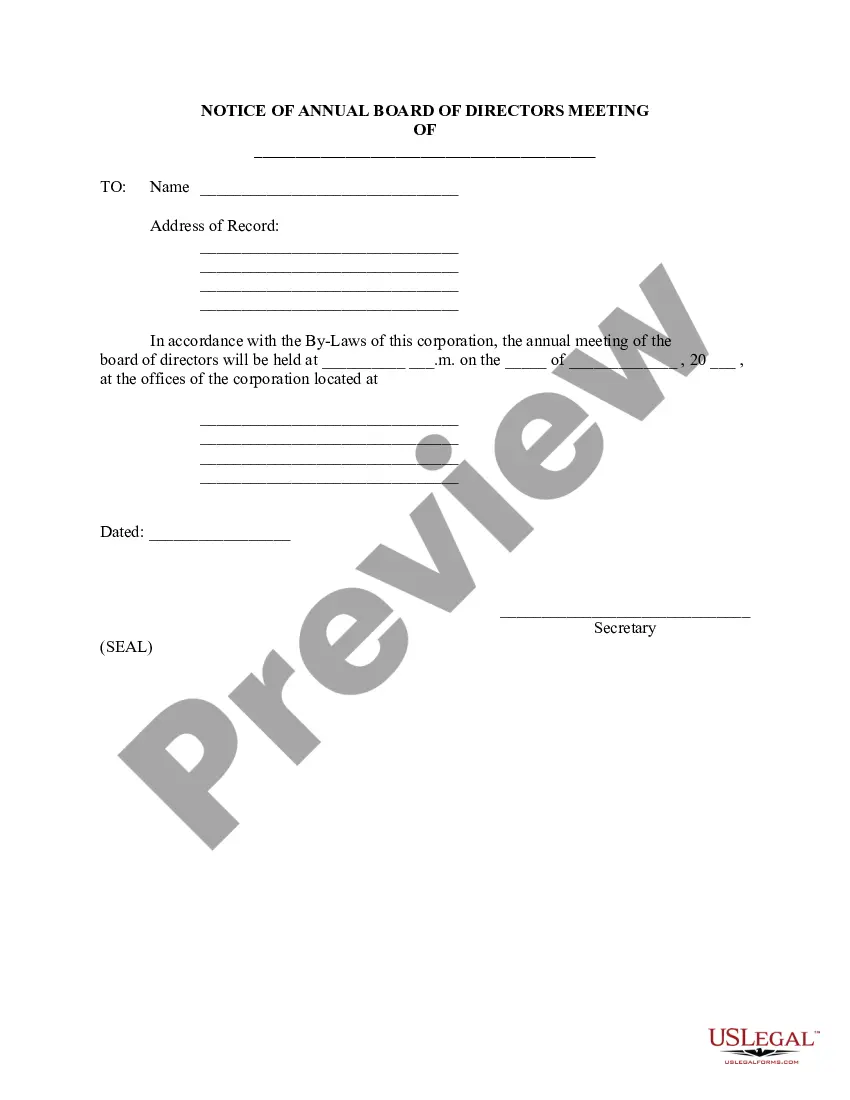


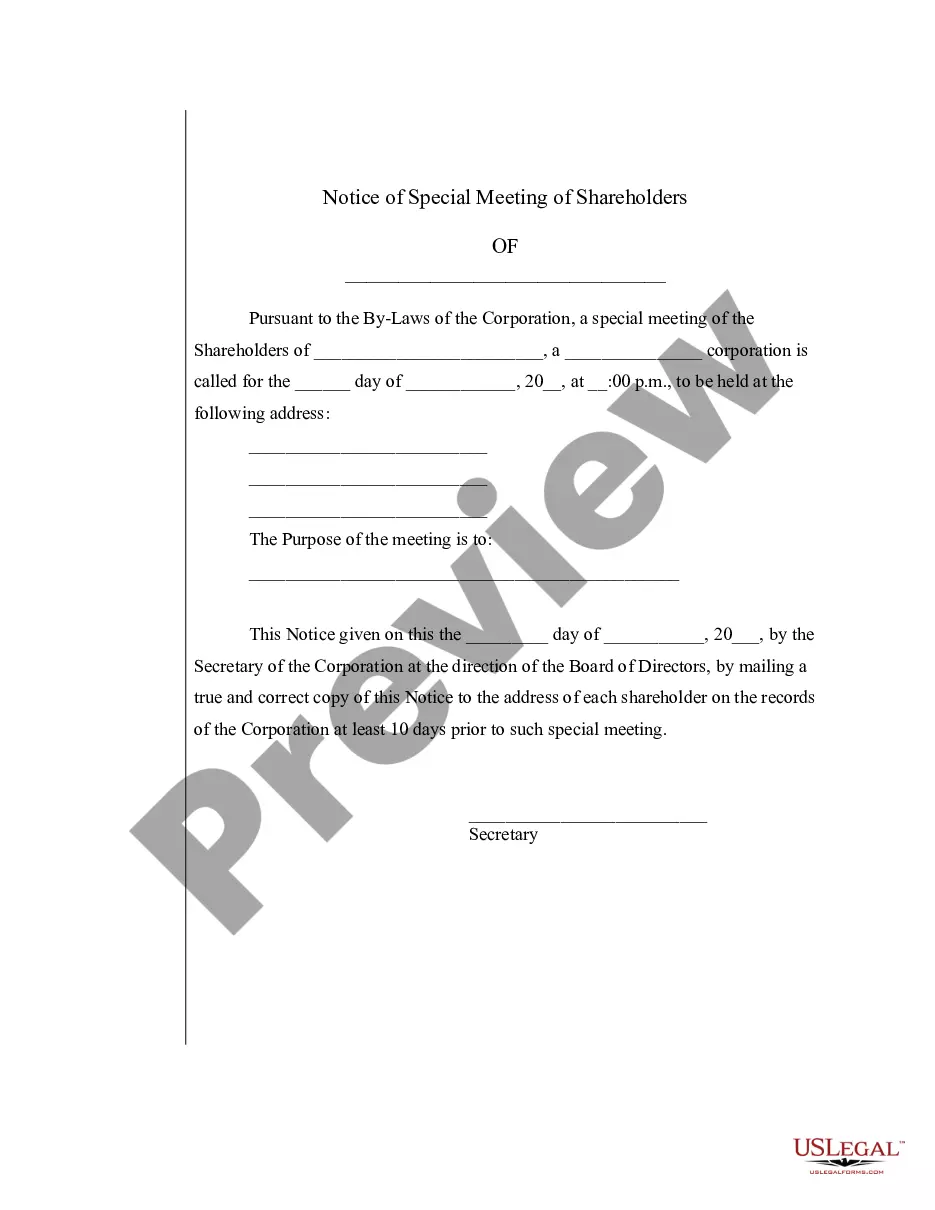
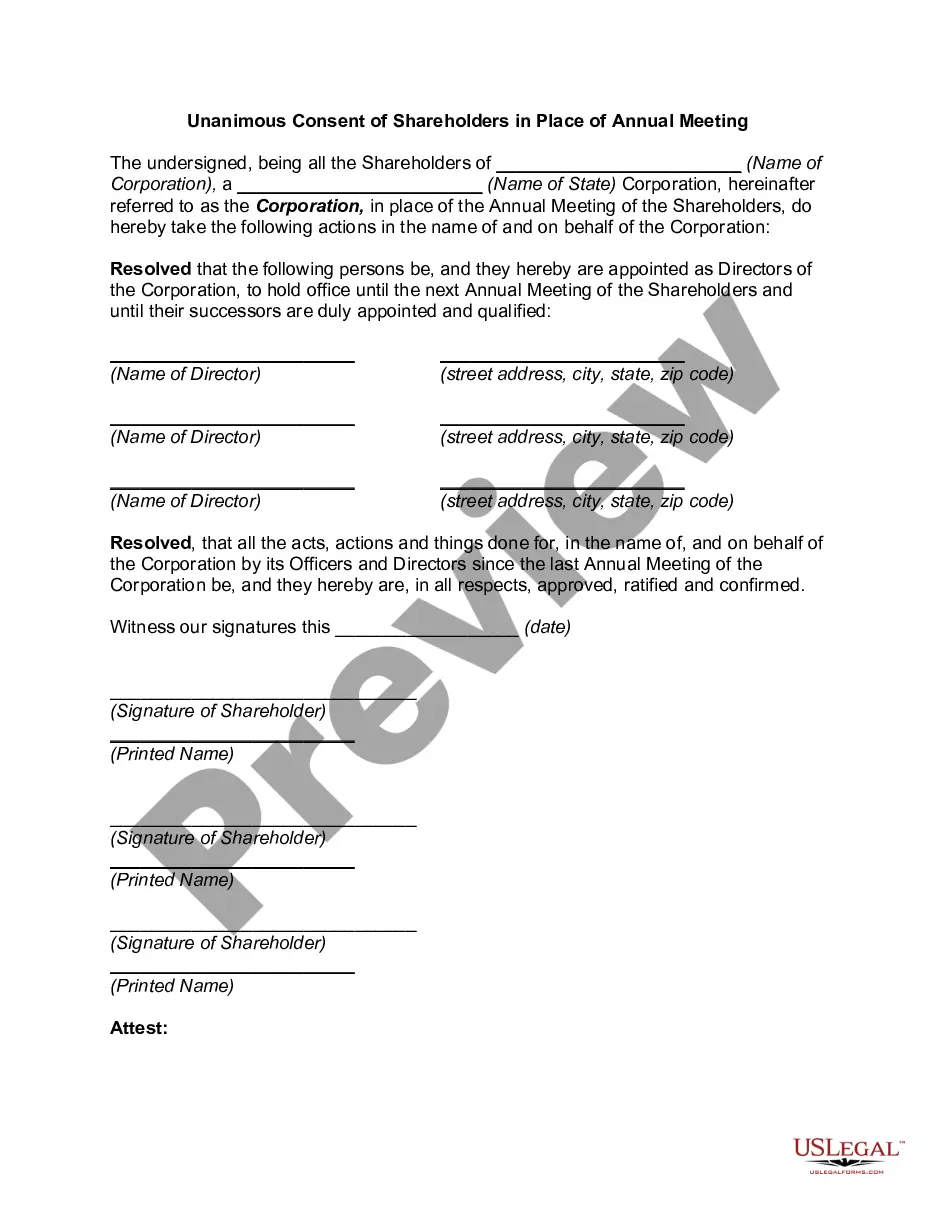
Get your form ready online
Our built-in tools help you complete, sign, share, and store your documents in one place.
Make edits, fill in missing information, and update formatting in US Legal Forms—just like you would in MS Word.
Download a copy, print it, send it by email, or mail it via USPS—whatever works best for your next step.
Sign and collect signatures with our SignNow integration. Send to multiple recipients, set reminders, and more. Go Premium to unlock E-Sign.
If this form requires notarization, complete it online through a secure video call—no need to meet a notary in person or wait for an appointment.
We protect your documents and personal data by following strict security and privacy standards.

Make edits, fill in missing information, and update formatting in US Legal Forms—just like you would in MS Word.

Download a copy, print it, send it by email, or mail it via USPS—whatever works best for your next step.

Sign and collect signatures with our SignNow integration. Send to multiple recipients, set reminders, and more. Go Premium to unlock E-Sign.

If this form requires notarization, complete it online through a secure video call—no need to meet a notary in person or wait for an appointment.

We protect your documents and personal data by following strict security and privacy standards.
Looking for another form?


Form popularity
FAQ
Upon finding a violation of the Open Meeting Law, the Attorney General may impose a civil penalty upon a public body of not more than $1,000 for each intentional violation.
In towns with an open town meeting form, all registered voters of the town are eligible to participate in and vote at town meetings. Representative town meeting is used by some larger towns, where voters elect representatives to participate in town meetings, similar to a town council.
The Open Meeting Law requires that most meetings of public bodies be held in public, and it establishes rules that public bodies must follow in the creation and maintenance of records relating to those meetings.
Open meeting laws, also called sunshine laws, require that, with notable exceptions, most meetings of federal and state government agencies and regulatory bodies be open to the public, along with their decisions and records.
The complaint must be filed using the Open Meeting Law complaint form available on the Attorney General's website. Public bodies, or in the case of local public bodies the municipal clerk, should provide members of the public with a copy of the complaint form upon request.
A public meeting refers to a meeting that is open to the public. A public hearing is open to the public but is regarding a specific proposal/project.
Public bodies must create and maintain accurate minutes of all meetings, including executive sessions. Executive session minutes may be withheld from disclosure “as long as publication may defeat the lawful purposes of the executive session, but no longer.” G.L. c. 30A, § 22(f).
Summary. Massachusetts prohibits the recording, interception, use or disclosure of any conversation, whether in person or over the telephone, without the permission of all the parties. The state also prohibits the recording and disclosure of images intercepted in violation of its hidden camera laws.

