Court Letter Sample With Attention In Arizona
Description






Form popularity
FAQ
The letter should be addressed to the Judge, but mailed to the defendant's attorney. Who are you? ... Make it personal when describing the defendant's characteristics. Only talk about what you know. Be truthful. Never attack the victims or law enforcement. Never allow the defendant to write the letter for you.
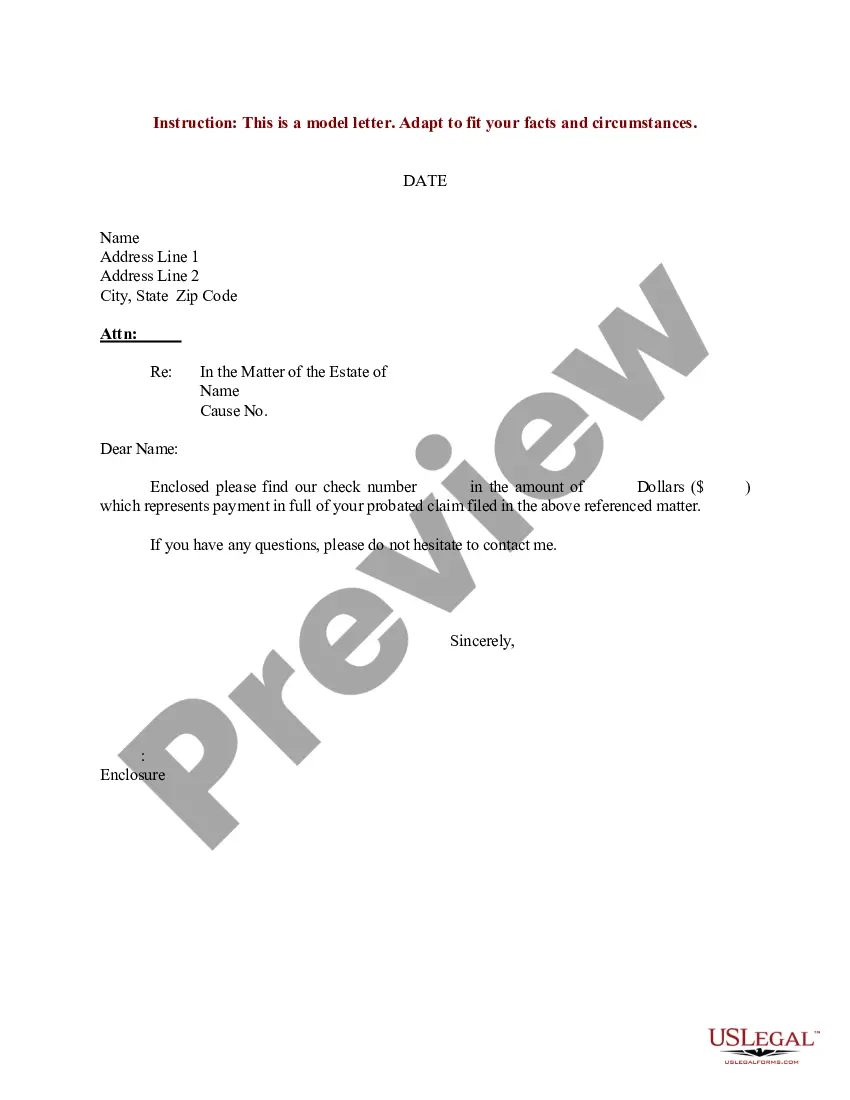
Within the letter itself, the attention line goes beneath the organization's name and address. When writing this line, use the following format:Attention: recipient's name or job title . If you have limited space, you can also use the abbreviated version, "attn," to address your recipient in the attention line.
Within the letter itself, the attention line goes beneath the organization's name and address. When writing this line, use the following format:Attention: recipient's name or job title . If you have limited space, you can also use the abbreviated version, "attn," to address your recipient in the attention line.
Judge's Information: Include the judge's name, title, and court address. Introduction: - State your name and your relationship to the defendant (if applicable). - Briefly explain the purpose of your letter. Body: - Express Understanding: Acknowledge the seriousness of the situation and the crime.
Write "ATTN" followed by the name of the recipient on the envelope. Write the recipient's information in the center of the letter or package. The "ATTN" line always appears at the very top of your package or letter's address line when you address it, just before the name of the person you're sending it to.
Follow the order of this format, leaving a space in between each section: Your Information (first thing that goes on the inside of the letter) Name. The Date. The Judge's Information. Honorable Judge First Name Last Name. What the Letter Is Going to Address. Salutation. Body. Signature.
Use these steps to request a personal reference letter: Choose your communication method. Before asking for a character reference, consider what the best method is to speak to your contact. Ask gently. Explain what you want the reference to say. Include information. Send a thank you note.
Introduce yourself in the opening paragraph. Outline your relationship with the person who is the subject of the legal proceedings. Acknowledge the charges that have been brought against the person. State your opinion of the person's general character.
Writing Your Letter Search for a form letter. Some courts print off forms that you can use to request a hearing. Open a word processing document. Insert a salutation. Add a heading. Begin the letter with your request. Explain why you need the hearing. Provide a contact number. Sign the letter.

