Court Letter Templates With Borders In Bronx
Description







Form popularity
FAQ
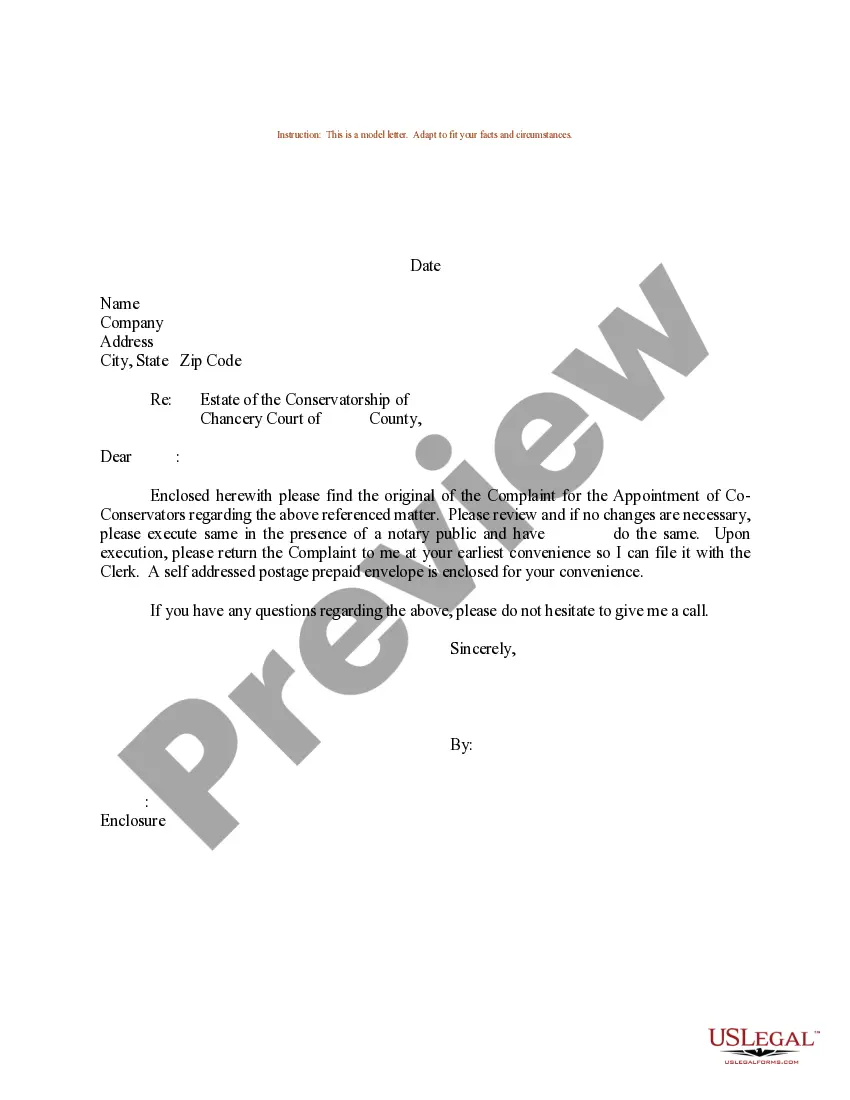
Type the Name and Address of the Judge or Court Staff On the next line below the name, include the name of the court in which the judge presides, such as "San Francisco Superior Court" or "United States Court of Appeals, Ninth Circuit." Directly under the name, include the judge's address, city, state and ZIP code.
Writing Your Letter Use a proper greeting. Introduce yourself. State the favor you're asking. Keep it simple. Tell your recipient why the favor is important. Offer to provide assistance to the recipient. Close the letter politely. Proofread your letter before sending it.
For example, a legal pleading might involve a complaint from a homeowner that a roofer did not adequately perform a repair, resulting in a leak in the roof and damage to the home. The roofer could then file an answer to the claim, denying culpability.
Comply With the Relevant Federal, State, and Local Rules. Research Before Writing. Allege Subject Matter Jurisdiction, Personal Jurisdiction, and Venue. Jurisdiction. Draft Concise and Plain Statement of the Facts. Factual Allegations. Draft Separate Counts for Each Legal Claim. Plead Facts With Particularity Where Necessary.
How to Write a Good Court Statement Be clear and concise in your writing. Keep your sentences and paragraphs short, making them easier to read and understand. Make sure all of your facts are accurate and complete. Proofread your statement before submitting it to the court.
The key to drafting a successful pleading is to make sure that you have a clear idea of what the claims are that your client is making and relevant proof for each of those claims. Then you should state the events in a chronological and logical order.
Introduce yourself in the opening paragraph. Outline your relationship with the person who is the subject of the legal proceedings. Acknowledge the charges that have been brought against the person. State your opinion of the person's general character.
General format - each motion generally consists of a case caption, a title that briefly identifies the relief sought, a series of numbered paragraphs that explains -- in a logical way -- why you are entitled to that relief, a prayer for relief, a signature block, a certification that a copy of the motion was sent to ...
The written response must be made within 20 days of personal service, or within 30 days of the time when service by any other means is complete.
A summons with notice or summons and complaint must be served within 120 days of filing with the County Clerk.

