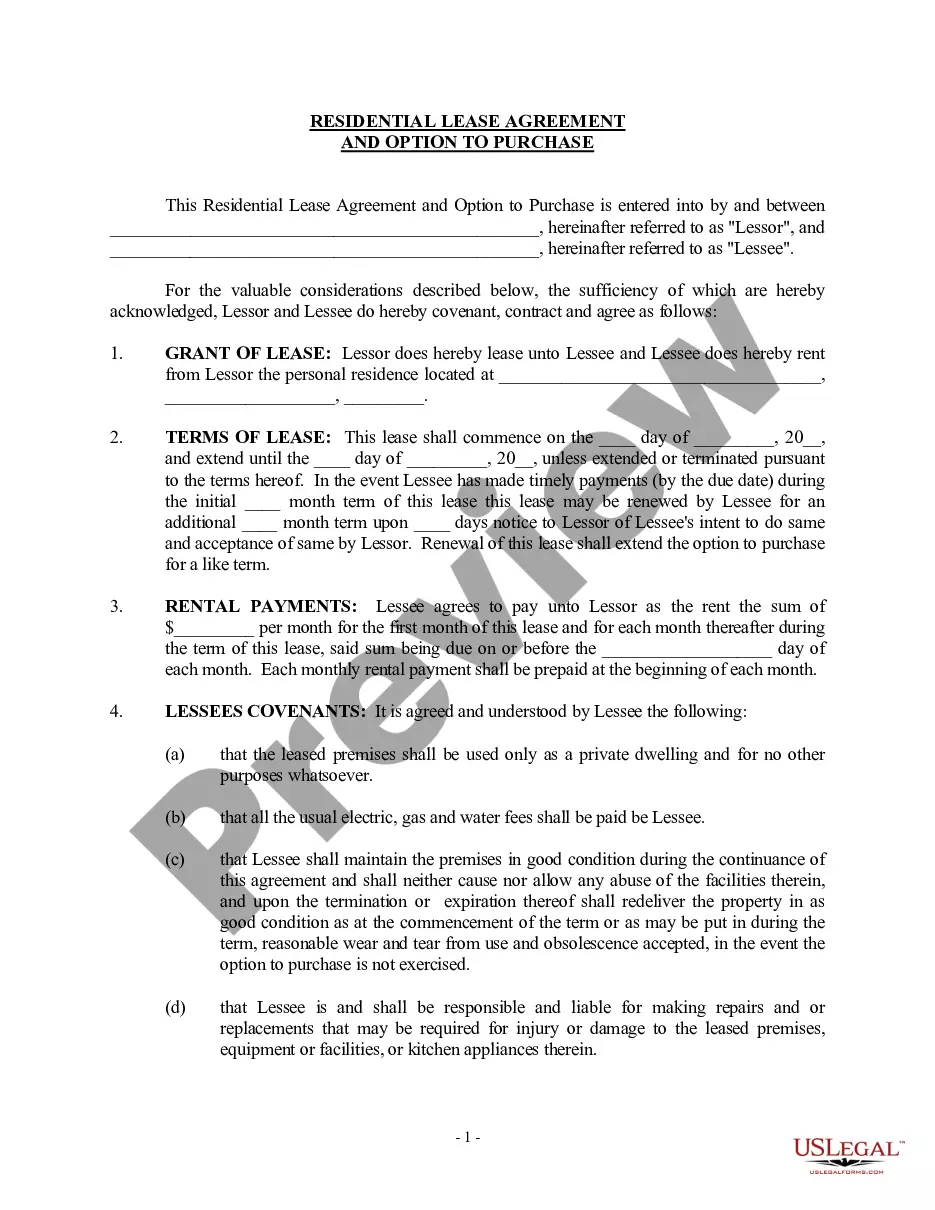
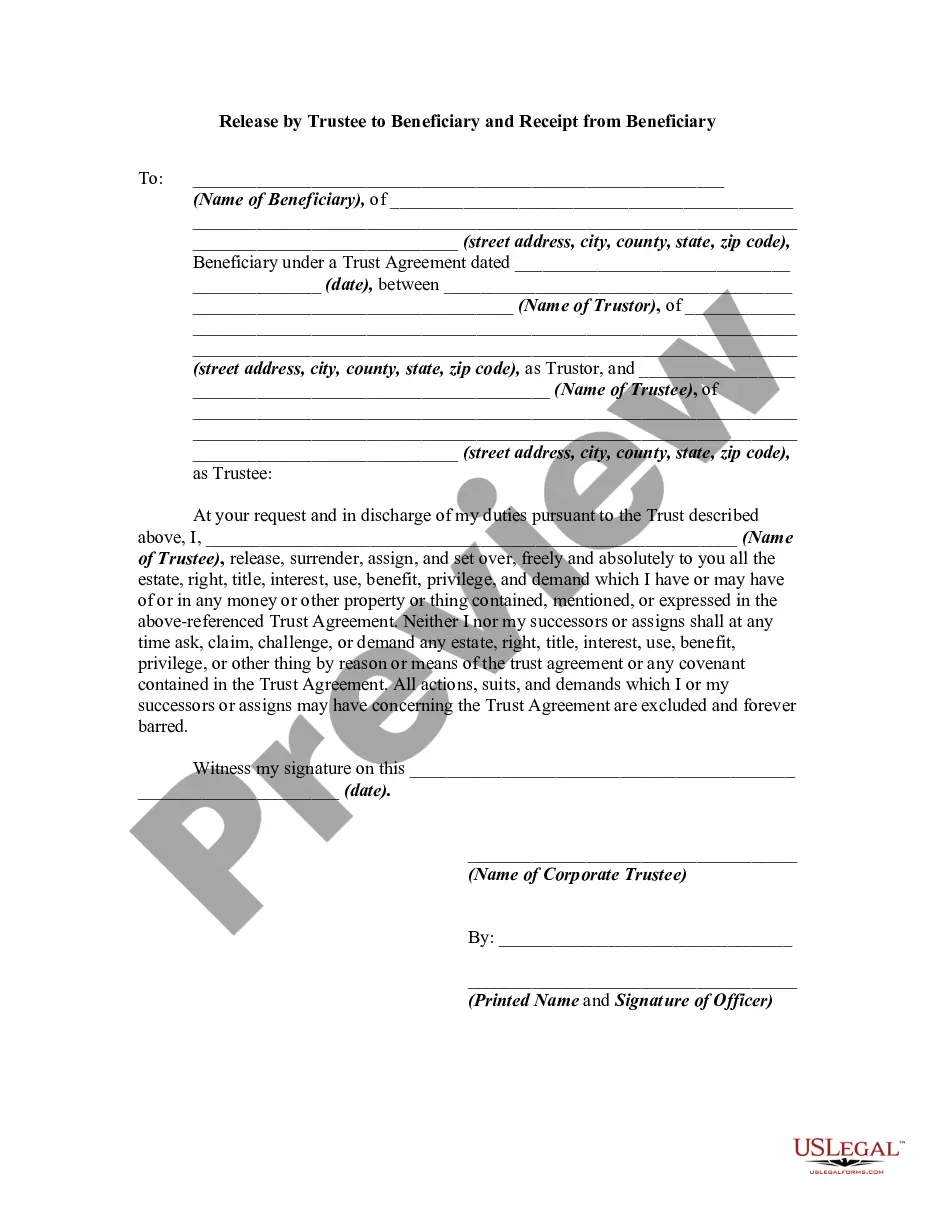
Property Sale Our With Tenants In Allegheny
Description
Get your form ready online
Our built-in tools help you complete, sign, share, and store your documents in one place.
Make edits, fill in missing information, and update formatting in US Legal Forms—just like you would in MS Word.
Download a copy, print it, send it by email, or mail it via USPS—whatever works best for your next step.
Sign and collect signatures with our SignNow integration. Send to multiple recipients, set reminders, and more. Go Premium to unlock E-Sign.
If this form requires notarization, complete it online through a secure video call—no need to meet a notary in person or wait for an appointment.
We protect your documents and personal data by following strict security and privacy standards.

Make edits, fill in missing information, and update formatting in US Legal Forms—just like you would in MS Word.

Download a copy, print it, send it by email, or mail it via USPS—whatever works best for your next step.

Sign and collect signatures with our SignNow integration. Send to multiple recipients, set reminders, and more. Go Premium to unlock E-Sign.

If this form requires notarization, complete it online through a secure video call—no need to meet a notary in person or wait for an appointment.

We protect your documents and personal data by following strict security and privacy standards.
Looking for another form?


Form popularity
FAQ
A new owner may decide not to renew current leases or may increase rent in the next term for a tenant, but a change in ownership does not give a landlord the right to evict compliant tenants or change lease terms unless the lease itself contains language allowing the owner to end the lease on a transfer of ownership.
A tenant has the right to receive rent payments from the new owner if the property is sold during the lease term. The new owner must honor the lease agreement and cannot increase the rent or change any of the terms of the lease without the tenant's consent.
Can a landlord break a lease to sell the property? Yes, this is well within your right. However, whether you keep tenants during the selling process comes down to personal preference. Some landlords prefer having tenants out of their property before they put the house on the market.
A tenant has the right to receive rent payments from the new owner if the property is sold during the lease term. The new owner must honor the lease agreement and cannot increase the rent or change any of the terms of the lease without the tenant's consent.
I hope this letter finds you well. I am writing to inform you that the property you are currently renting at Property Address is being put up for sale. This means there will be some changes in the near future, but I want to assure you that your rights as a tenant will be respected throughout this process.
How to Write an LOI in Commercial Real Estate Structure it like a letter. Write the opening paragraph. State the parties involved. Draft a property description. Outline the terms of the offer. Include disclaimers. Conclude with a closing statement.
Details about the sale Inform the tenant that the property is being sold. Be transparent about the process, including whether the lease and deposit will transfer to the new owner. Let them know that the property will go on the market, and they may need to cooperate with showings.
In California, a property owner can sell a property even if it is currently leased. The lease remains in effect, and the new owner must honor the terms of the existing lease. The tenant has the right to continue living in the property under the same conditions agreed upon with the original owner.
The letter to notify a tenant of the sale of the property should be short and concise and include information such as: Identifying information including the date, owner name, tenant name, and property address. Notice that property is being sold and that the lease and deposit will transfer to the new owner.
Answer: Report the gain or loss on the sale of rental property on Form 4797, Sales of Business Property or on Form 8949, Sales and Other Dispositions of Capital Assets depending on the purpose of the rental activity.

