Property Sell Out For 9 11 In Michigan
Description
Get your form ready online
Our built-in tools help you complete, sign, share, and store your documents in one place.
Make edits, fill in missing information, and update formatting in US Legal Forms—just like you would in MS Word.
Download a copy, print it, send it by email, or mail it via USPS—whatever works best for your next step.
Sign and collect signatures with our SignNow integration. Send to multiple recipients, set reminders, and more. Go Premium to unlock E-Sign.
If this form requires notarization, complete it online through a secure video call—no need to meet a notary in person or wait for an appointment.
We protect your documents and personal data by following strict security and privacy standards.

Make edits, fill in missing information, and update formatting in US Legal Forms—just like you would in MS Word.

Download a copy, print it, send it by email, or mail it via USPS—whatever works best for your next step.

Sign and collect signatures with our SignNow integration. Send to multiple recipients, set reminders, and more. Go Premium to unlock E-Sign.

If this form requires notarization, complete it online through a secure video call—no need to meet a notary in person or wait for an appointment.

We protect your documents and personal data by following strict security and privacy standards.
Looking for another form?

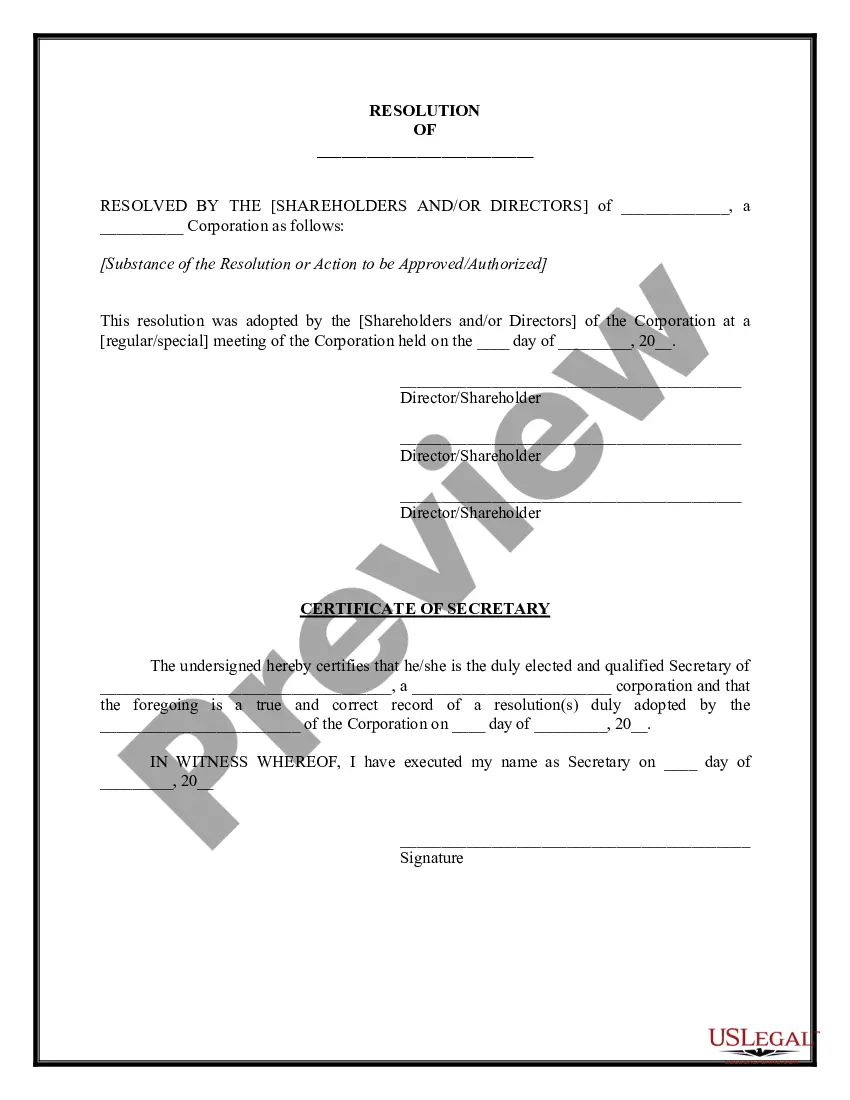
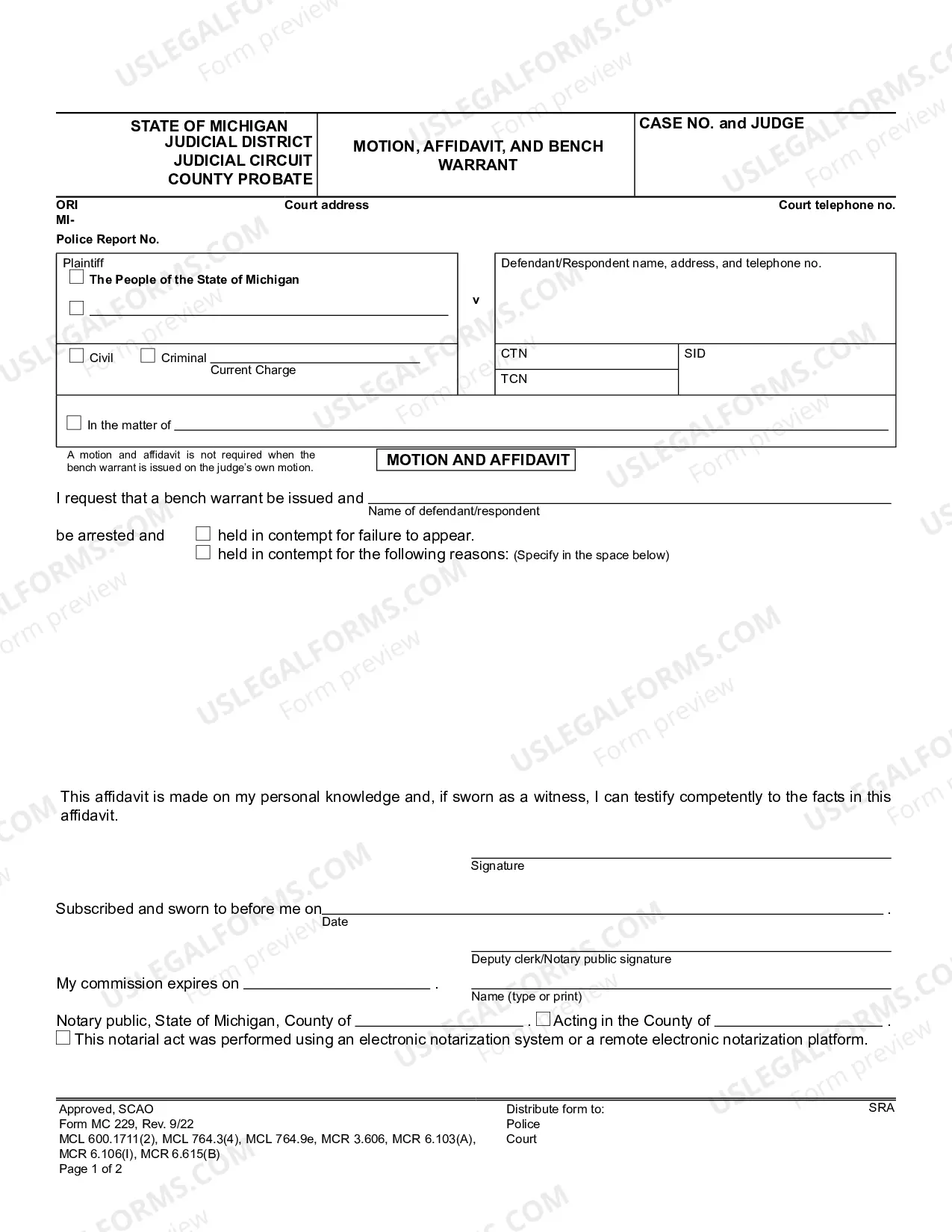

Form popularity
FAQ
Short-Term Capital Gains (STCG) on listed shares and equity-oriented mutual funds are subject to a concessional rate of 15% till transfer made on or before 22nd July, 2024. From 23rd July, 2024 onwards this rate has been increased to 20%.
The Grantee (buyer) of the property is responsible for filing the Property Transfer Affidavit, not the Grantor (seller). The Grantee should do this within 45 days of the property transfer to avoid any penalties.
Instead, it taxes all capital gains as ordinary income, using the same rates and brackets as the regular state income tax. Michigan is one of the states with a flat income tax rate, so no matter the amount of taxable ordinary income, the state tax rate will always be 4.05%.
Michigan. Taxes capital gains at the same rate as income, at a flat rate of 4.05%.
After a property is sold at a sheriff's sale, a foreclosure sale, there is a redemption period. For most properties it is a six-month period. If the homeowner moves out and the property has been declared abandoned, the redemption period can be shortened to one month.
Six (6) months: The Redemption Period starts day of Sheriff Sale – Six (6) months is most common. If the amount claimed to be due on the mortgage at the date of foreclosure is less than 2/3 of the original indebtedness, the redemption period is 12 months. Farming property can be up to twelve (12) months.
The seller can also take back possession of the home. The seller cannot forfeit the contract without a forfeiture clause. The first step in the forfeiture process is for the seller to send the buyer a forfeiture notice.
A foreclosure sale must be made at a public auction to the highest bidder. The trustee or the sheriff of the court of the county in which the property is located may conduct the sale between the hours of am and pm on the date specified in the Notice of Sale.
Commercial Personal, Industrial Personal, or Utility Personal Property may be appealed to the regular March Board of Review (by the March 11, 2024 filing date) or to the Michigan Tax Tribunal by filing a petition by May 31 if a personal property statement was filed with the local unit prior to the commencement of the ...
You should always appeal. There is little/no downside. You should certainly appeal/protest in this case. You're right, transacted value is better than any comp analysis. Read your assessment letter and the assessor/appraisal district's website to make sure you understand the process.

