Property Sell Our Formula In New York
Description
Get your form ready online
Our built-in tools help you complete, sign, share, and store your documents in one place.
Make edits, fill in missing information, and update formatting in US Legal Forms—just like you would in MS Word.
Download a copy, print it, send it by email, or mail it via USPS—whatever works best for your next step.
Sign and collect signatures with our SignNow integration. Send to multiple recipients, set reminders, and more. Go Premium to unlock E-Sign.
If this form requires notarization, complete it online through a secure video call—no need to meet a notary in person or wait for an appointment.
We protect your documents and personal data by following strict security and privacy standards.
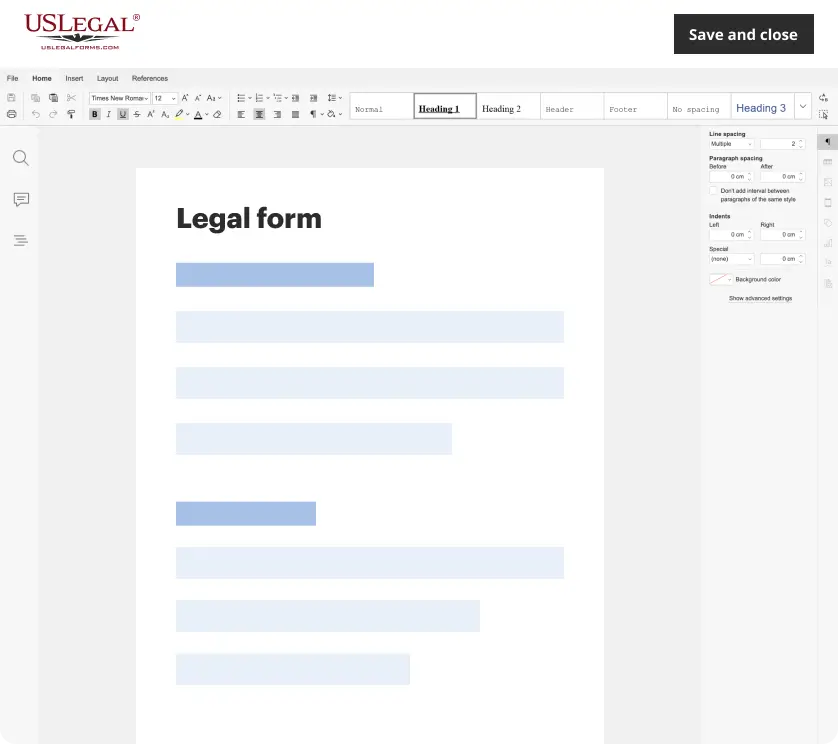
Make edits, fill in missing information, and update formatting in US Legal Forms—just like you would in MS Word.
Download a copy, print it, send it by email, or mail it via USPS—whatever works best for your next step.
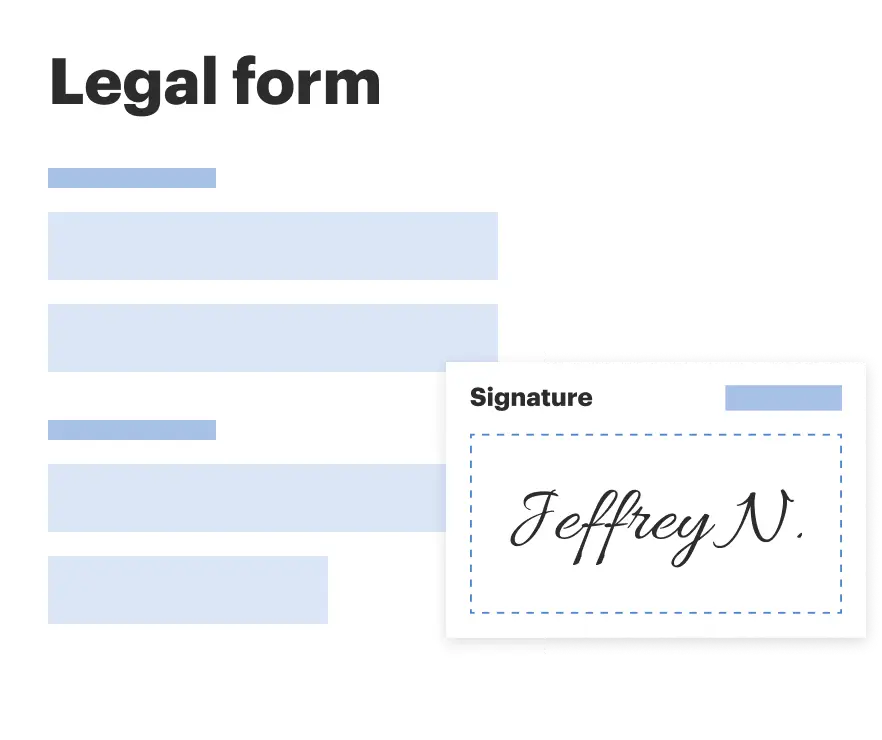
Sign and collect signatures with our SignNow integration. Send to multiple recipients, set reminders, and more. Go Premium to unlock E-Sign.
If this form requires notarization, complete it online through a secure video call—no need to meet a notary in person or wait for an appointment.
We protect your documents and personal data by following strict security and privacy standards.
Looking for another form?
Form popularity
FAQ
Writing your own contracts is perfectly possible, and legal. But it's also an incredibly bad idea. There's two reasons for this: Property law is complicated. Because it's such a fundamental part of legislation, it's often lots and lots of different laws layered on top of each other.
Other required disclosures Beyond the condition of the property and environmental hazards, New York law requires sellers to disclose other pertinent information. This includes any zoning violations, restrictions, and whether the property is in a flood zone.
Sellers Will Be Exposed To Liability Even After Closing may subject the seller to claims by the buyer prior to or after the transfer of title. That means buyers can sue sellers after closing. And the statute of limitations on these claims may be as long as six years.
This window of time is the 'statute of limitations'. Depending on the type of case and claim, the statute of limitations in New York State for real estate transactions typically ranges from one year to six years or even 10 years in some cases.
Electronic filing is the fastest, safest way to file—but if you must file a paper Resident Income Tax Return, use our enhanced fill-in Form IT-201 with 2D barcodes.
How do I complete abatement form 843? Line 1 is the tax year the abatement is for. Line 2 is the total fees/penalties you are asking the IRS to remove. Line 3 is generally going to be Income (tax). Line 4 is the Internal Revenue Code section. Line 5a is the reason you are requesting the abatement.
Exemption Application: An Affidavit of Individual Tax Exemption (Form 82514) must be filed with the County Assessor annually Failure to file for an exemption will result in loss of eligibility for that year (2025). Applicant filing period for 2025 is January 2 to March 1.
If the consideration is $500,000 or less, the rate is 1.425% of the consideration. If the consideration is more than $500,000 the rate is 2.625%
To appeal the assessed value and/or tax class of your property, or the denial or revocation of a not-for-profit exemption, you must file a completed "Application for Correction" appeal form and any other forms or information to the NYC Tax Commission in person or by mail by the deadlines.
To change a deed in New York City, you will need a deed signed and notarized by the grantor. The deed must also be filed and recorded with the Office of the City Register. Transfer documents identifying if any taxes are due must also be filed and recorded with the City Register.

