Property Personal Selling With Example In Pennsylvania
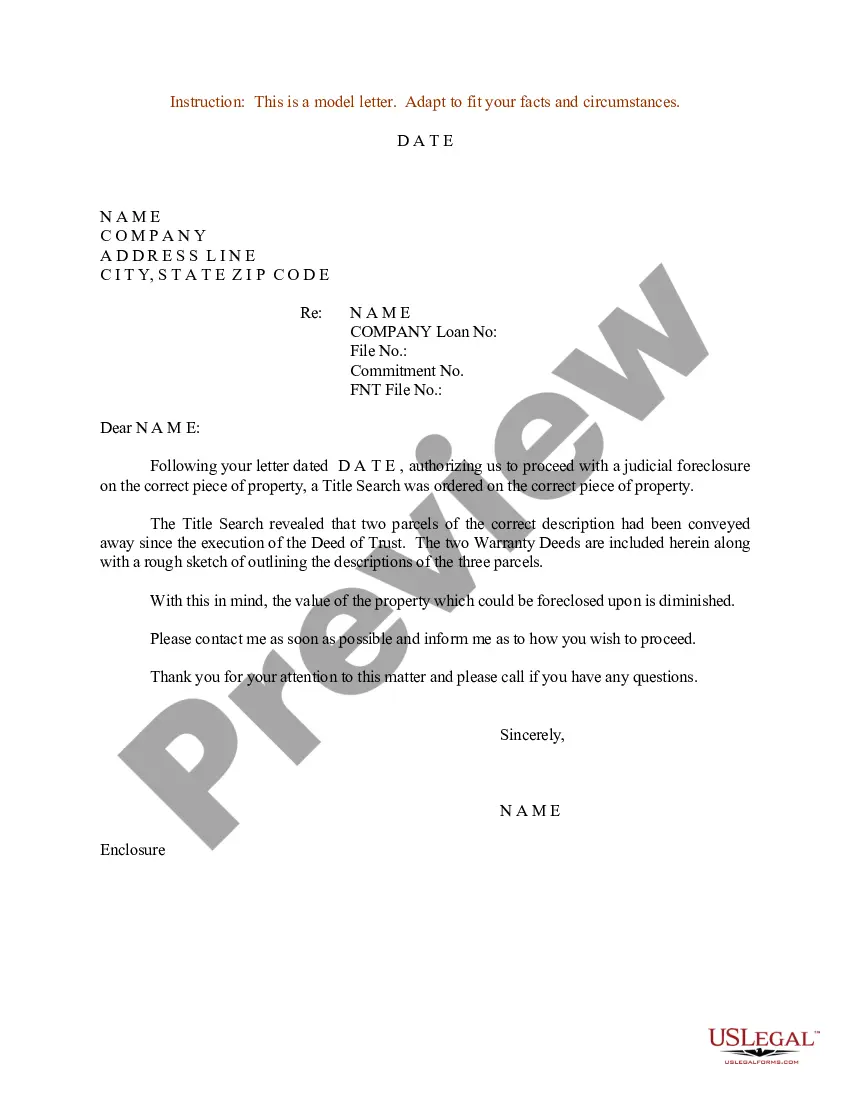
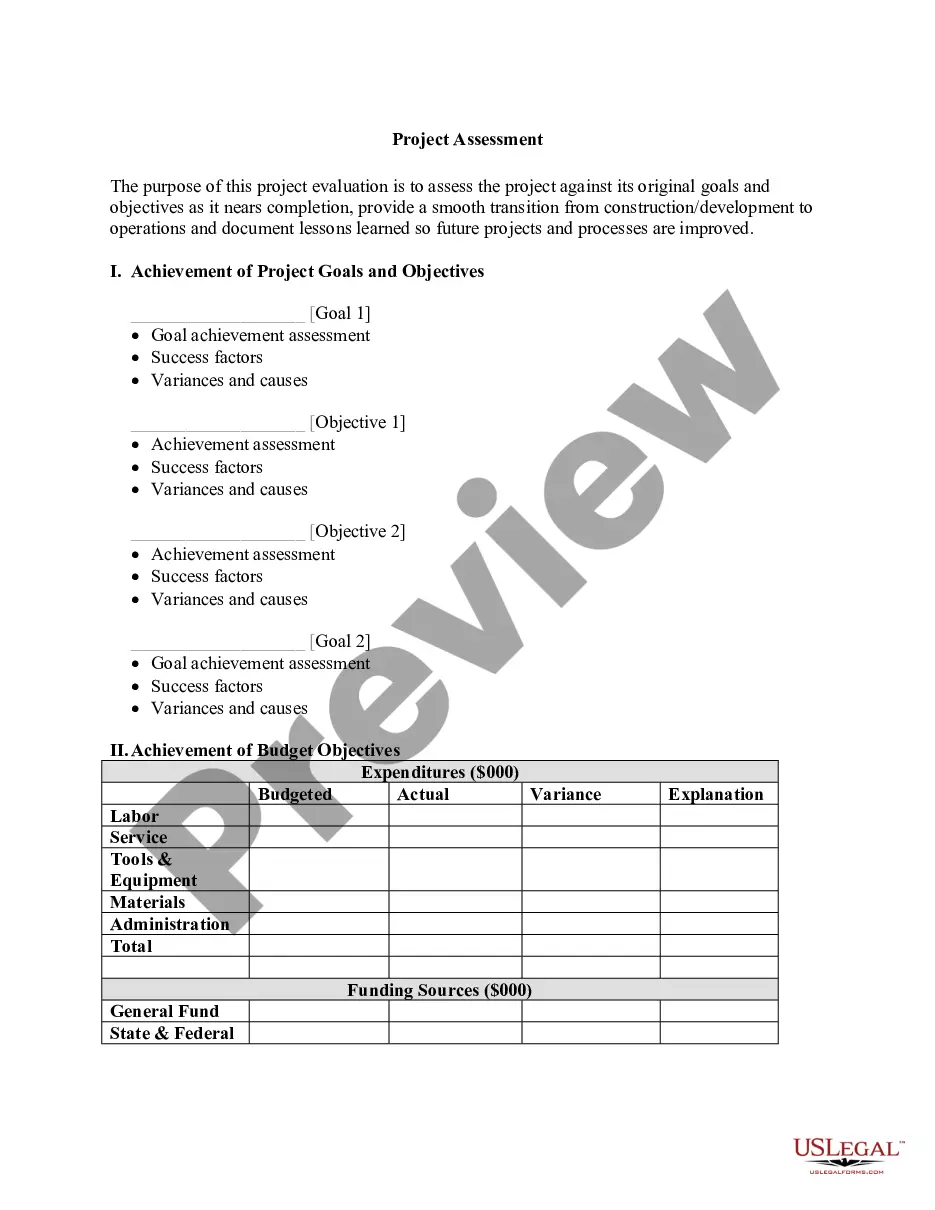
Description



Form popularity
FAQ
Instead, it taxes all capital gains as ordinary income, using the same rates and brackets as the regular state income tax. Pennsylvania is one of the states with a flat income tax rate, so no matter the amount of taxable ordinary income, the state tax rate will always be 3.07%.
A seller must disclose to a buyer all known material defects about property being sold that are not readily observable.
Description: Personal selling is a face-to-face selling technique by which a salesperson uses his or her interpersonal skills to persuade a customer in buying a particular product.
Examples of tangible personal property include vehicles, furniture, boats, and collectibles. Digital assets, patents, and intellectual property are intangible personal property. Just as some loans—mortgages, for example—are secured by real property like a house, some loans are secured by personal property.
In personal selling, a sales rep will meet with potential customers and guide them through the sales process by uncovering their biggest challenges and providing solutions to solve their problems. This can take place in person, over the phone, or with video calls.
“Personal property” means goods and chattels, including fixtures and buildings erected by the tenant and which he has the right to remove, agricultural crops, whether harvested or growing, and livestock and poultry.
Some examples of personal selling include: Selling directly to customers at a market. Waiters serving (and selling) directly to guests in a restaurant. Visiting companies that use / supply your product to customers for example a chef in a restaurant may use your salad dressing.
Examples of personal selling might include a car salesperson meeting with a potential customer to show them different car models and features, a real estate agent giving a tour of a property to a prospective buyer, or a financial advisor meeting with a client to discuss investment options.
There are seven common steps to the selling process: prospecting, preparation, approach, presentation, handling objections, closing and follow-up. The first three steps of the selling process involve research into prospects' wants and needs, with your presentation midway through the selling process.

