Non Disclosure Form For Employees In Franklin
Description

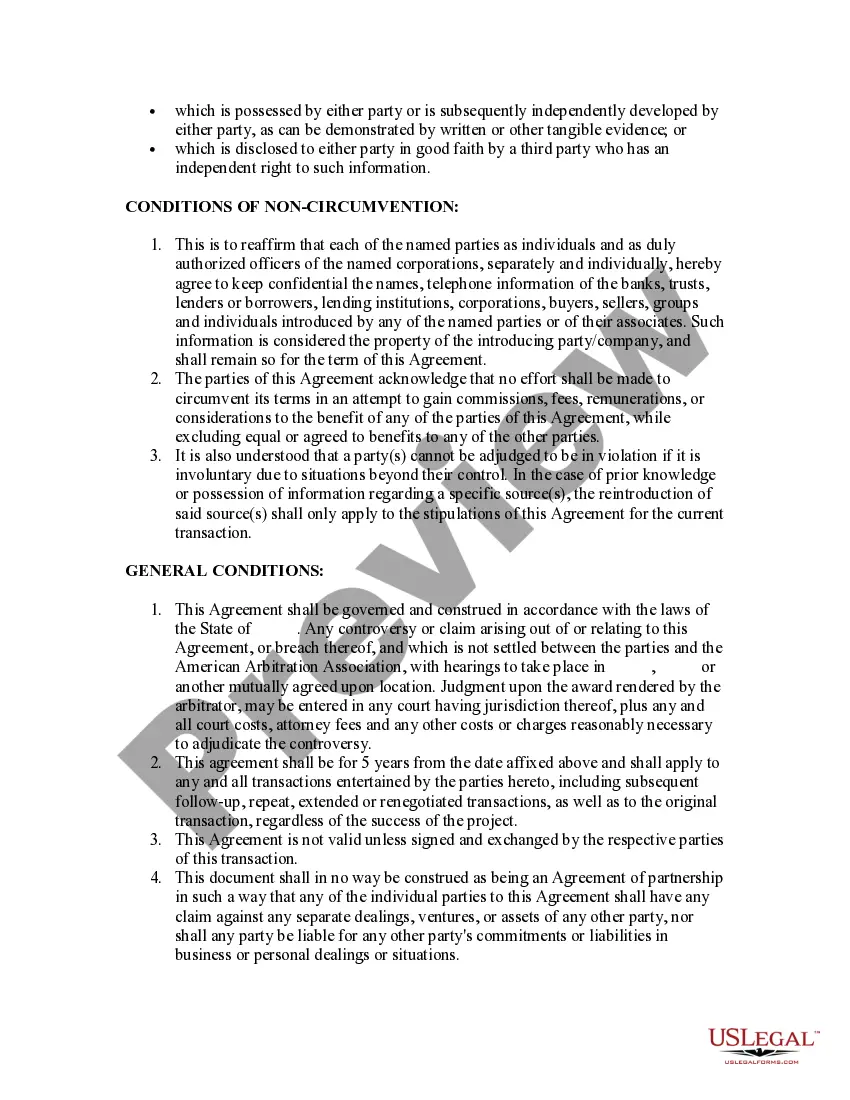
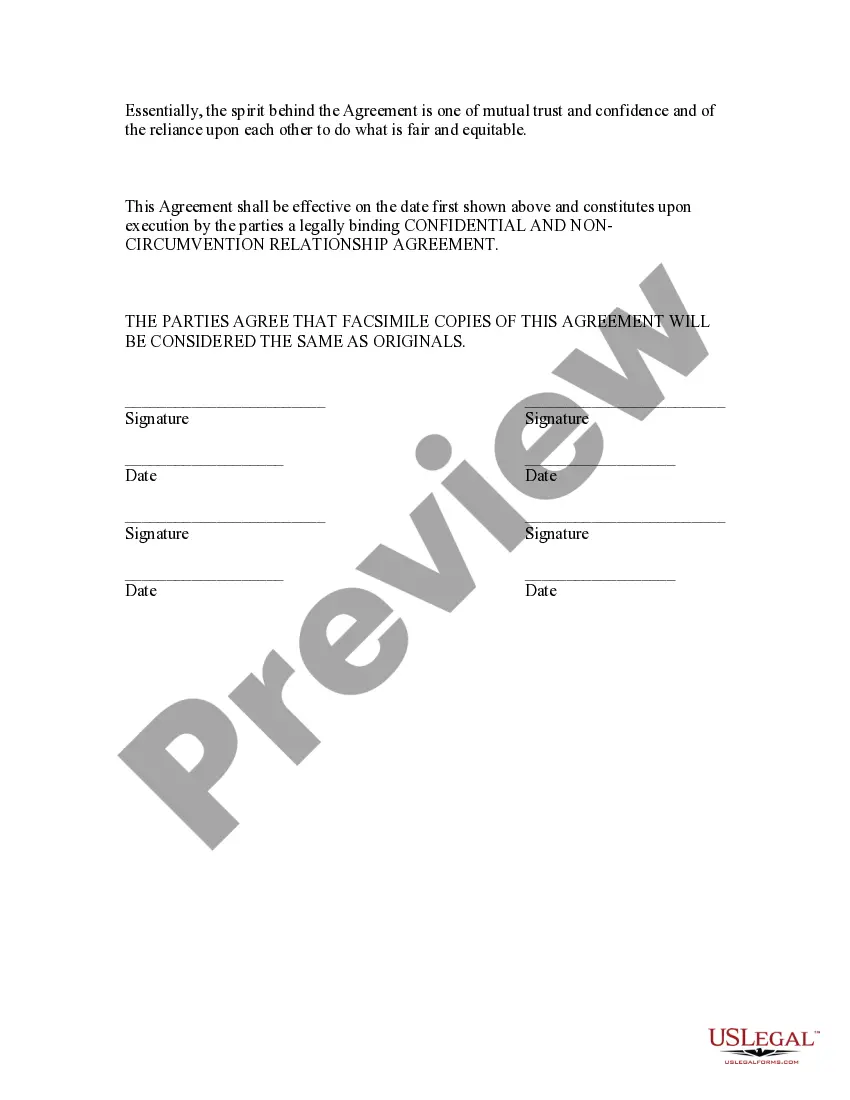
Get your form ready online
Our built-in tools help you complete, sign, share, and store your documents in one place.
Make edits, fill in missing information, and update formatting in US Legal Forms—just like you would in MS Word.
Download a copy, print it, send it by email, or mail it via USPS—whatever works best for your next step.
Sign and collect signatures with our SignNow integration. Send to multiple recipients, set reminders, and more. Go Premium to unlock E-Sign.
If this form requires notarization, complete it online through a secure video call—no need to meet a notary in person or wait for an appointment.
We protect your documents and personal data by following strict security and privacy standards.

Make edits, fill in missing information, and update formatting in US Legal Forms—just like you would in MS Word.

Download a copy, print it, send it by email, or mail it via USPS—whatever works best for your next step.

Sign and collect signatures with our SignNow integration. Send to multiple recipients, set reminders, and more. Go Premium to unlock E-Sign.

If this form requires notarization, complete it online through a secure video call—no need to meet a notary in person or wait for an appointment.

We protect your documents and personal data by following strict security and privacy standards.
Looking for another form?

Form popularity
FAQ
Non-disclosure agreements (NDAs) are agreements in contract law where parties agree that certain information will remain confidential. As such, an NDA binds a person who has signed it and prevents them from discussing any information included in the contract with anyone not authorized by the NDA.
7 Key elements to a non-disclosure agreement Identification of involved parties. Definition of the confidential information. Information ownership. Exclusions not considered confidential. Obligations and requirements of the involved parties. Effective agreement period. Consequences of a breach.
Expect to see the parts of an NDA listed above, including the identification of parties, definitions, obligations, scope, time frame, return of information, exclusions, and remedies. There may also be clauses about mutual non-disclosure or non-solicitation, as well as one stating the jurisdiction for handling disputes.
Employee namehereby agrees that he/she shall hold in confidence and hereby agrees that he/she shall not use, commercialize or disclose except under terms of employment of Company Name,any confidential information or intellectual property to any person or entity, or else under provision governed by this ...
Before signing an NDA, look out for seven crucial red flags that could limit your freedom or expose you to risks, including broad definitions of confidential information, indefinite duration, lack of mutuality, restrictive non-compete clauses, absence of provisions for legal disclosures, unclear remedies for breach, ...
Typically, a legal professional writing the NDA will complete these steps: Step 1 - Describe the scope. Which information is considered confidential? ... Step 2 - Detail party obligations. Step 3 - Note potential exclusions. Step 4 - Set the term. Step 5 - Spell out consequences.
The Employee further agrees that the Employee will not improperly use or disclose any confidential or proprietary information or trade secrets, if any, of any former employers or any other person or entity to whom Employee has an obligation of confidentiality, and will not bring onto the premises of the Company or any ...
You cannot sign a non-disclosure agreement (NDA) with yourself because an NDA is a contract between two or more parties. However, you can create a similar document for personal or organizational use to protect sensitive information, but it wouldn't be a typical NDA since there's no distinct second party involved.
You don't need a lawyer to create the agreement, but you may need someone with legal expertise to review it. We recommend consulting with a legal expert to ensure your agreement fully protects your organisation's interests when the document is first created.
With all of that said, if you still feel it's worth getting people to sign an NDA, there's a really great way to ask someone politely to do it. Say this: "In the interest of maintaining good governance with future investors, we're asking that anyone closely involved with this project at this early stage sign an NDA."
