Secured Debt Shall Formula In Illinois
Description


Get your form ready online
Our built-in tools help you complete, sign, share, and store your documents in one place.
Make edits, fill in missing information, and update formatting in US Legal Forms—just like you would in MS Word.
Download a copy, print it, send it by email, or mail it via USPS—whatever works best for your next step.
Sign and collect signatures with our SignNow integration. Send to multiple recipients, set reminders, and more. Go Premium to unlock E-Sign.
If this form requires notarization, complete it online through a secure video call—no need to meet a notary in person or wait for an appointment.
We protect your documents and personal data by following strict security and privacy standards.

Make edits, fill in missing information, and update formatting in US Legal Forms—just like you would in MS Word.

Download a copy, print it, send it by email, or mail it via USPS—whatever works best for your next step.

Sign and collect signatures with our SignNow integration. Send to multiple recipients, set reminders, and more. Go Premium to unlock E-Sign.

If this form requires notarization, complete it online through a secure video call—no need to meet a notary in person or wait for an appointment.

We protect your documents and personal data by following strict security and privacy standards.
Looking for another form?
Form popularity
FAQ
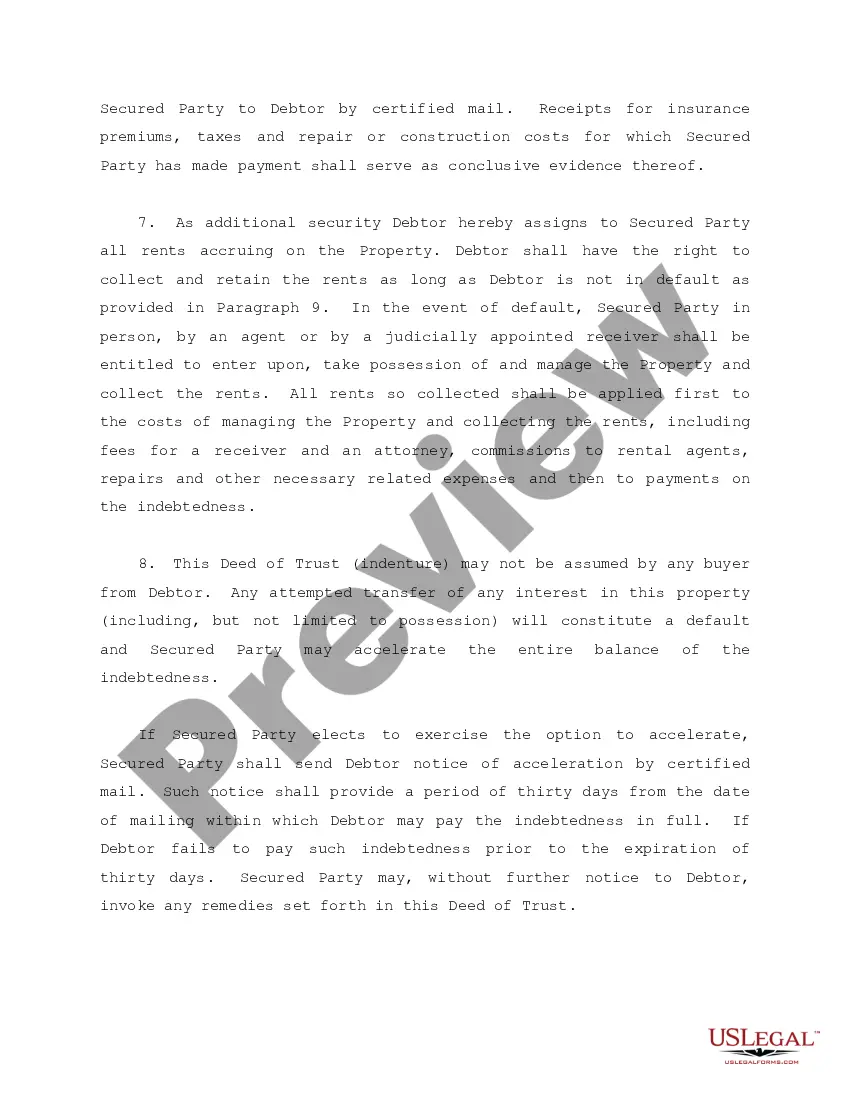
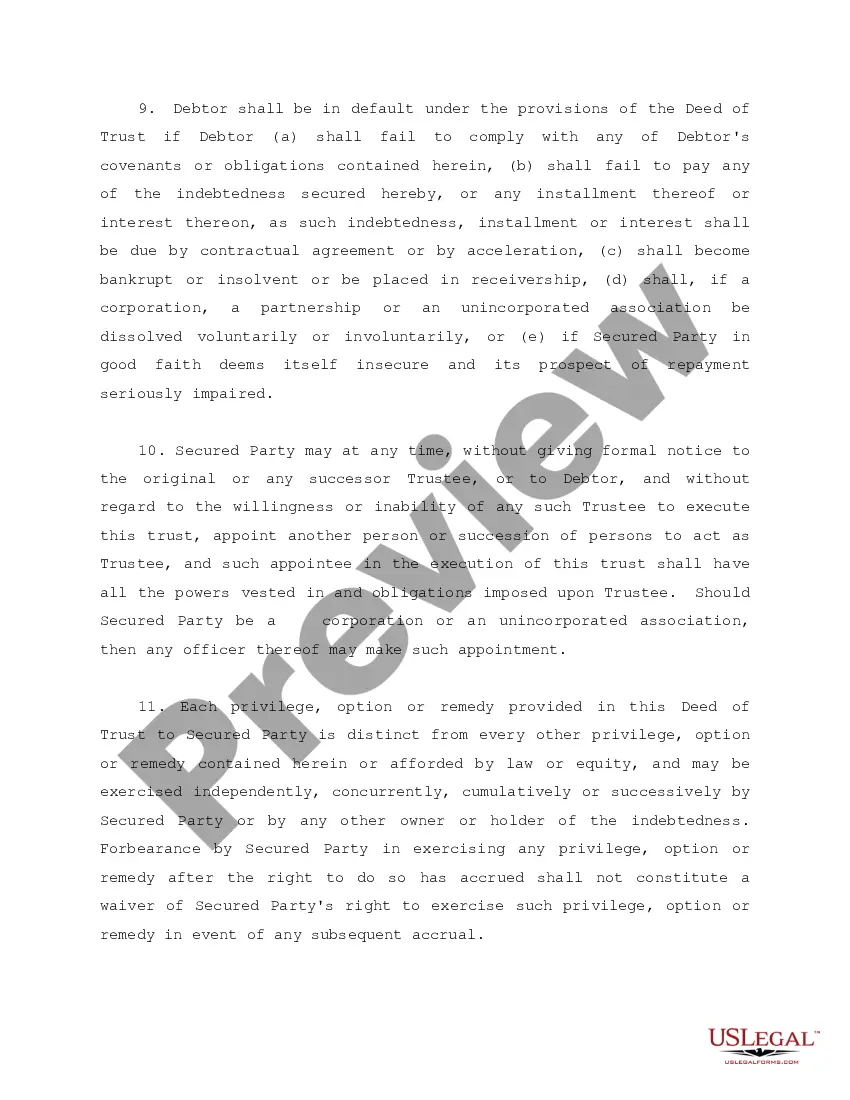
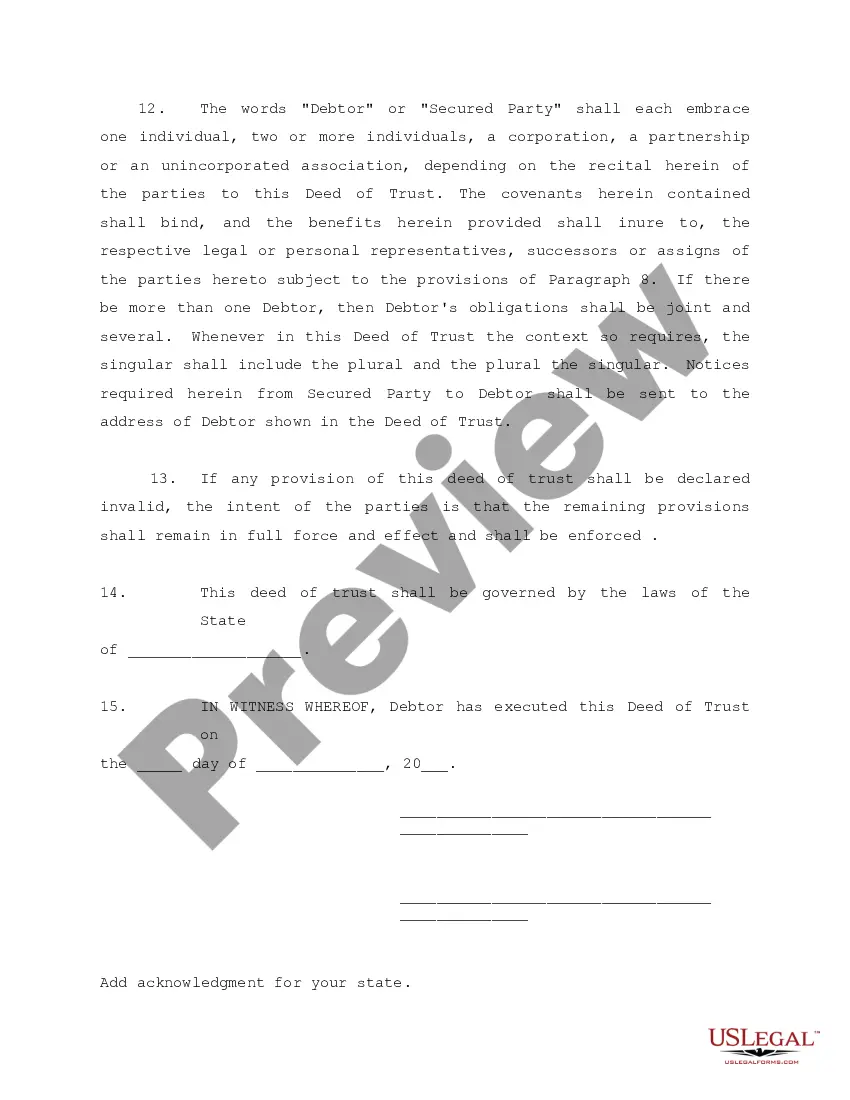
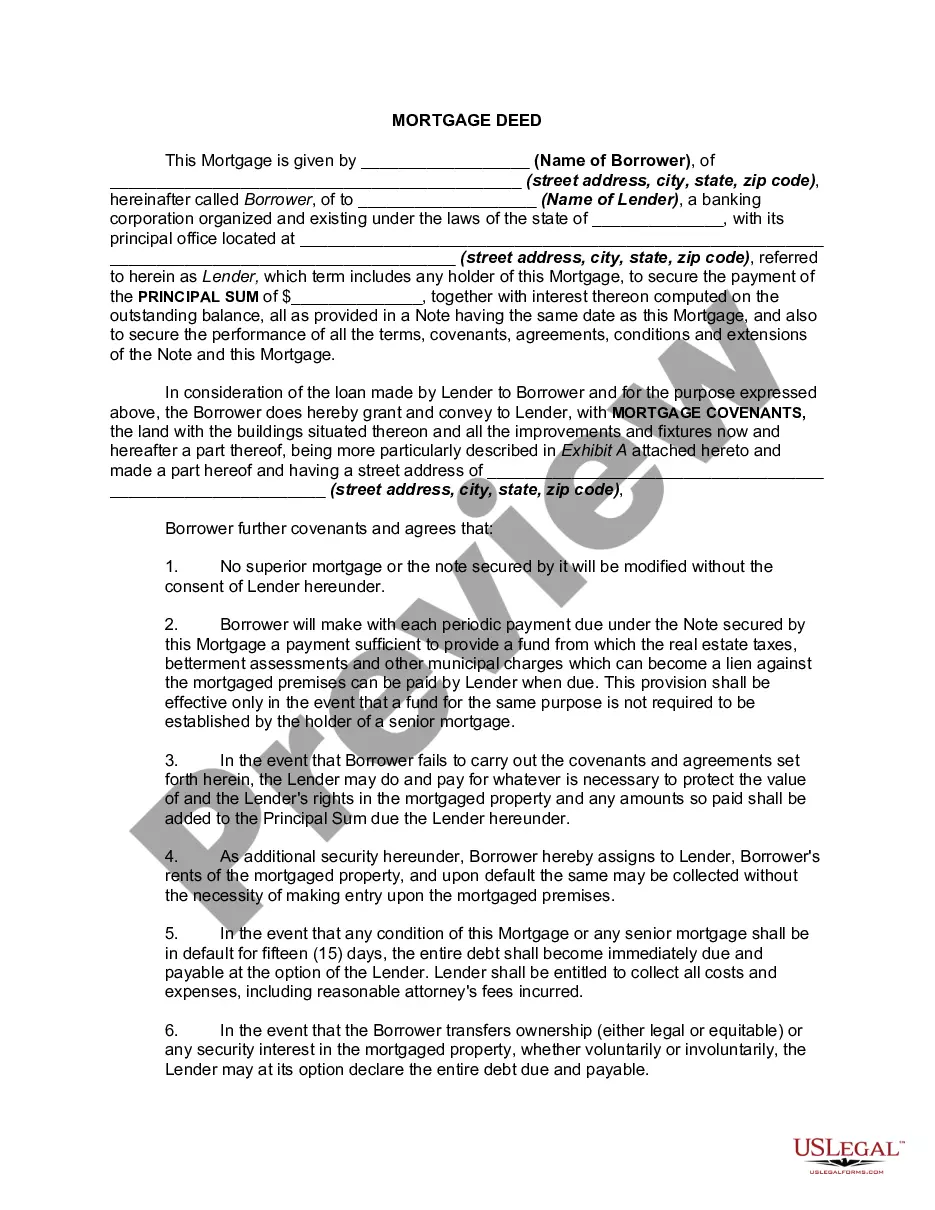
Secured debt - A debt that is backed by real or personal property is a “secured” debt. A creditor whose debt is “secured” has a legal right to take the property as full or partial satisfaction of the debt. For example, most homes are burdened by a “secured debt”.
For example, old credit card debts can only be enforced for 5 years after your last payment. Most written contracts can be enforced for 10 years after your last payment. Credit cards are not legally considered written contracts in Illinois. Read more at the Consumer Financial Protection Bureau about old debt.
Key takeaways Mortgages, home equity loans, home equity lines of credit (HELOCs) and auto loans are all forms of secured debt, while most personal loans, credit cards, student loans and medical loans are unsecured debt.
Filing for bankruptcy triggers an automatic stay, which stops most wage garnishments immediately. In Chapter 7 bankruptcy, certain debts may be discharged, while in Chapter 13, a structured repayment plan can reduce your financial burden.
Enclosed Revocation Notice Form, or by writing a letter stating that you are revoking the wage assignment. Send the Revocation Notice Form or letter by registered or certified mail to the creditor, at the address listed above.
Quick Answer If your wages or bank account have been garnished, you may be able to stop it by paying the debt in full, filing an objection with the court or filing for bankruptcy.
The Illinois Statute of Limitations on debt collection sets the time limits within which a creditor or debt collector can legally pursue repayment. In Illinois, the statute of limitations typically ranges from five to ten years, depending on the type of debt.
Statutes of Limitations for Each State (In Number of Years) StateWritten contractsOpen-ended accounts (including credit cards) Georgia 6 6 Hawaii 6 6 Idaho 5 4 Illinois 10 547 more rows
Statute of Limitations in Illinois Illinois statute of limitations on “unwritten debt,” which includes credit cards, is five years.