Deed Of Trust Without Promissory Note In California
Description








Get your form ready online
Our built-in tools help you complete, sign, share, and store your documents in one place.
Make edits, fill in missing information, and update formatting in US Legal Forms—just like you would in MS Word.
Download a copy, print it, send it by email, or mail it via USPS—whatever works best for your next step.
Sign and collect signatures with our SignNow integration. Send to multiple recipients, set reminders, and more. Go Premium to unlock E-Sign.
If this form requires notarization, complete it online through a secure video call—no need to meet a notary in person or wait for an appointment.
We protect your documents and personal data by following strict security and privacy standards.
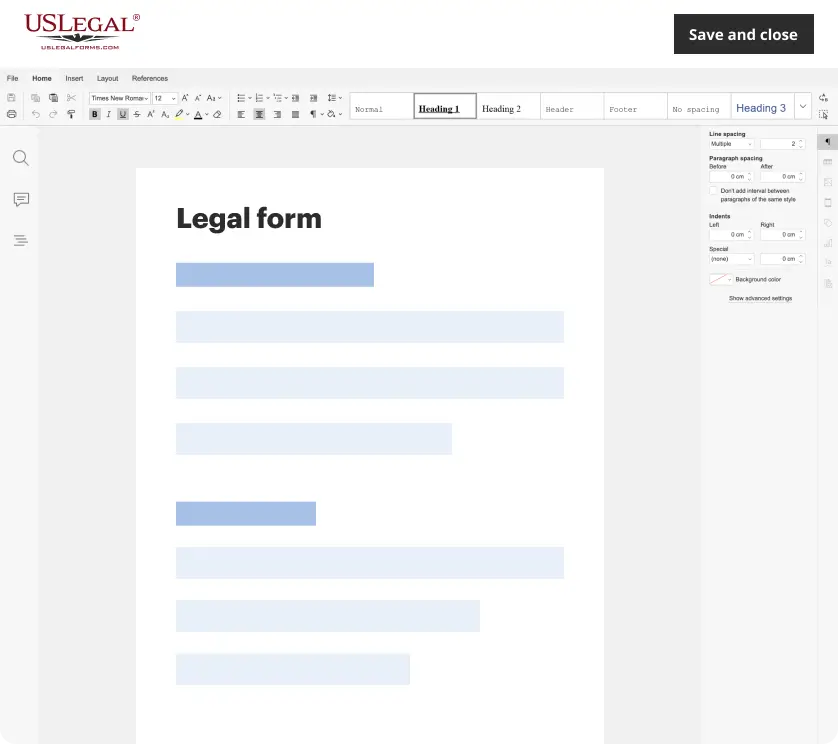
Make edits, fill in missing information, and update formatting in US Legal Forms—just like you would in MS Word.
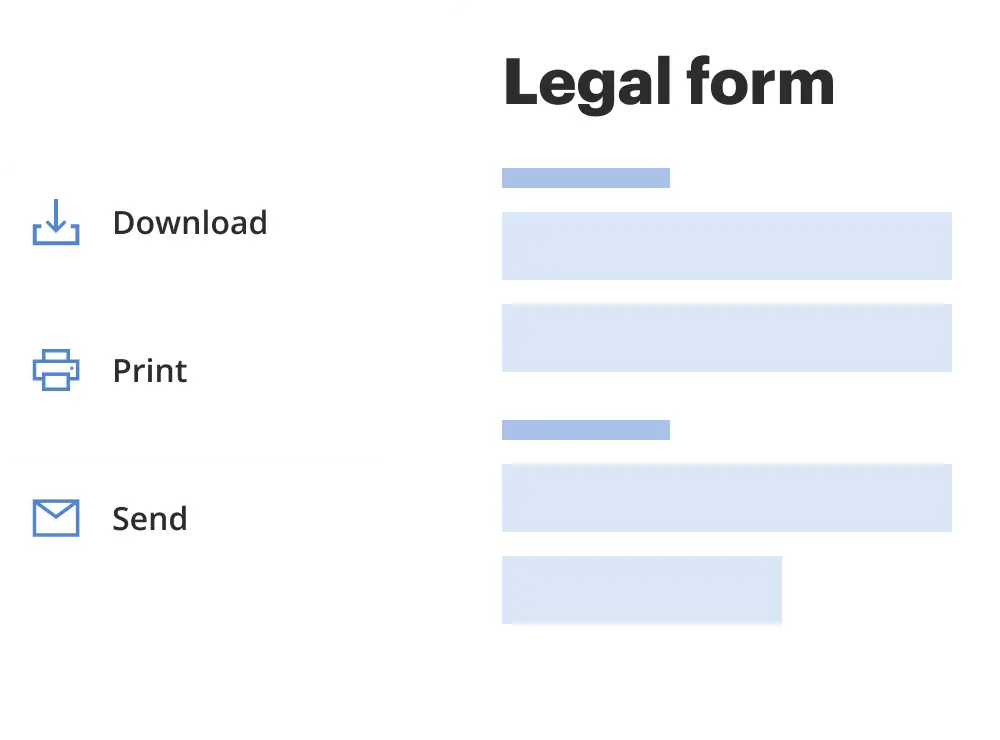
Download a copy, print it, send it by email, or mail it via USPS—whatever works best for your next step.
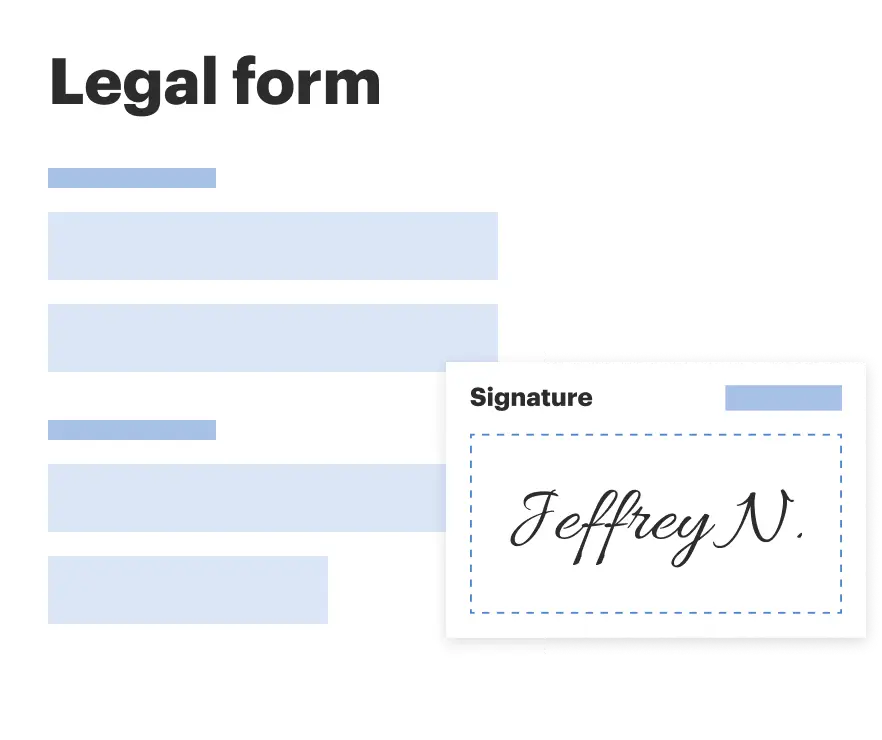
Sign and collect signatures with our SignNow integration. Send to multiple recipients, set reminders, and more. Go Premium to unlock E-Sign.
If this form requires notarization, complete it online through a secure video call—no need to meet a notary in person or wait for an appointment.
We protect your documents and personal data by following strict security and privacy standards.
Looking for another form?
Form popularity
FAQ
Example: When used in a real estate transaction, the promissory note covers the promise to repay the amount owed, interest, and maturity date — while the deed of trust or mortgage outlines the other responsibilities of the parties involved more precisely.
Some of the most common reasons trusts are invalid include: Legal formalities were not followed when executing the trust instrument. The trust was created or modified through forgery or another type of fraud. The trust maker was not mentally competent when they created or modified the trust.
At its most basic, a promissory note is simply a contract. As such, it needs to have certain sections to ensure all parties are fully protected and treated fairly. Common sections of a promissory note include: Contact information for the borrower and the lender.
Record the Signed Documents at the County Recorder's Office Take the original signed and notarized Deed of Trust and Promissory Note to the County Recorder's Office for the county where the property is located. In Sacramento, this is at 3636 American River Drive, Ste. 110, Sacramento CA 95864.
It must: Be in writing. Have an amount which matches the amount on the Note(s) Have a date which matches the date on the Note(s) Have a complete legal description of the property(s) being encumbered (street address only is not sufficient)
You can cancel your deed of trust by getting a deed of surrender in place. This is a legal document which can be used to waive a previous deed or contract between multiple parties. You can't cancel a deed of trust without the consent of all parties named within the deed.
Basic Requirements of a Trust California statutes dictate a set criterion for valid trusts. Breaching any of the following can lead to the trust being deemed invalid: Intent. Mental capacity, meaning they should be legally sane and over 18.
Some of the most common reasons trusts are invalid include: Legal formalities were not followed when executing the trust instrument. The trust was created or modified through forgery or another type of fraud. The trust maker was not mentally competent when they created or modified the trust.