Deed Of Trust Vs Deed Of Gift In Illinois

State:
Multi-State
Control #:
US-00183
Format:
Word; 
Rich Text
Instant download

Description

In Illinois, the deed of trust and deed of gift serve distinct purposes in property law. A deed of trust is a security instrument allowing a lender to secure a loan with real estate, essentially acting as collateral. It involves three parties: the borrower, the lender, and a trustee, who holds the title until the debt is repaid. Conversely, a deed of gift transfers property ownership without any exchange of consideration, typically used for gifting property to friends or family. When preparing these documents, it's critical for attorneys, partners, owners, associates, paralegals, and legal assistants to ensure accuracy in details such as parties involved, property description, and any terms related to the transaction. Modifications or amendments to these agreements may require careful drafting and adherence to specific terms outlined in the original documents. Both forms demand clear, precise language to avoid any future disputes or misunderstandings. Understanding these differences and practical use cases is essential for legal professionals when advising clients on property transactions.
Free preview
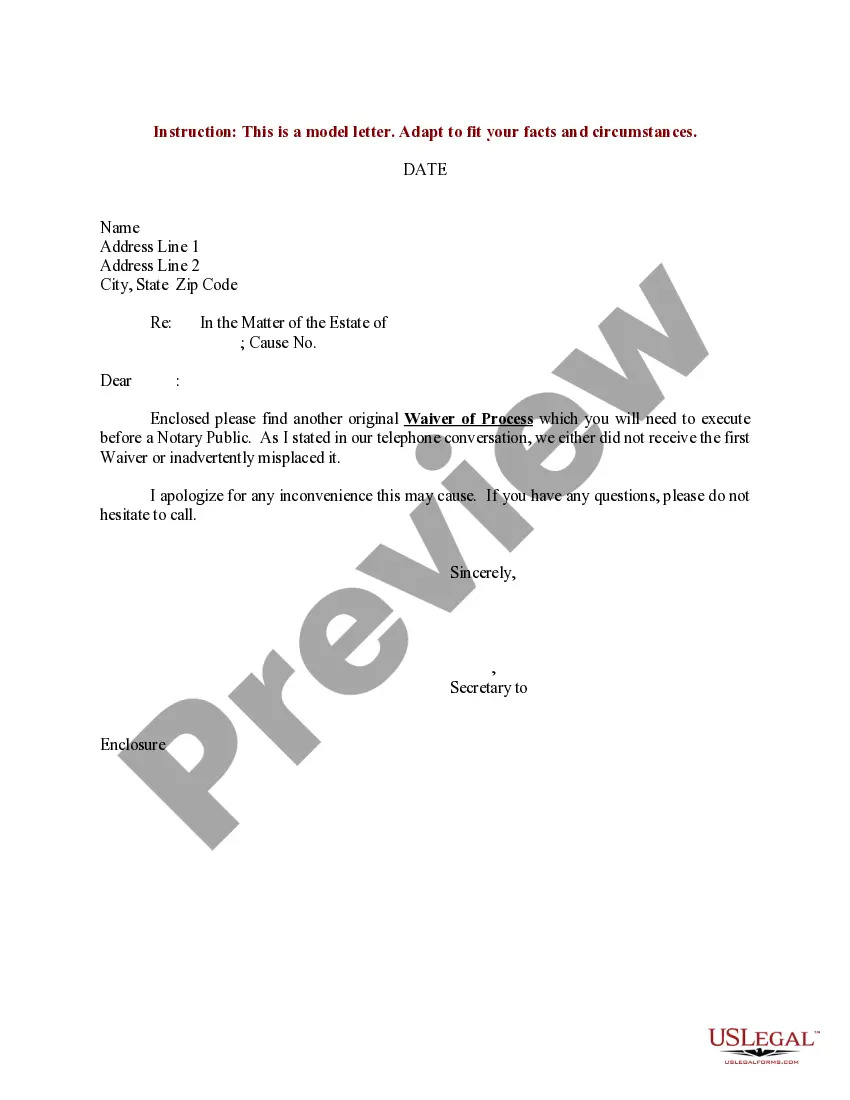
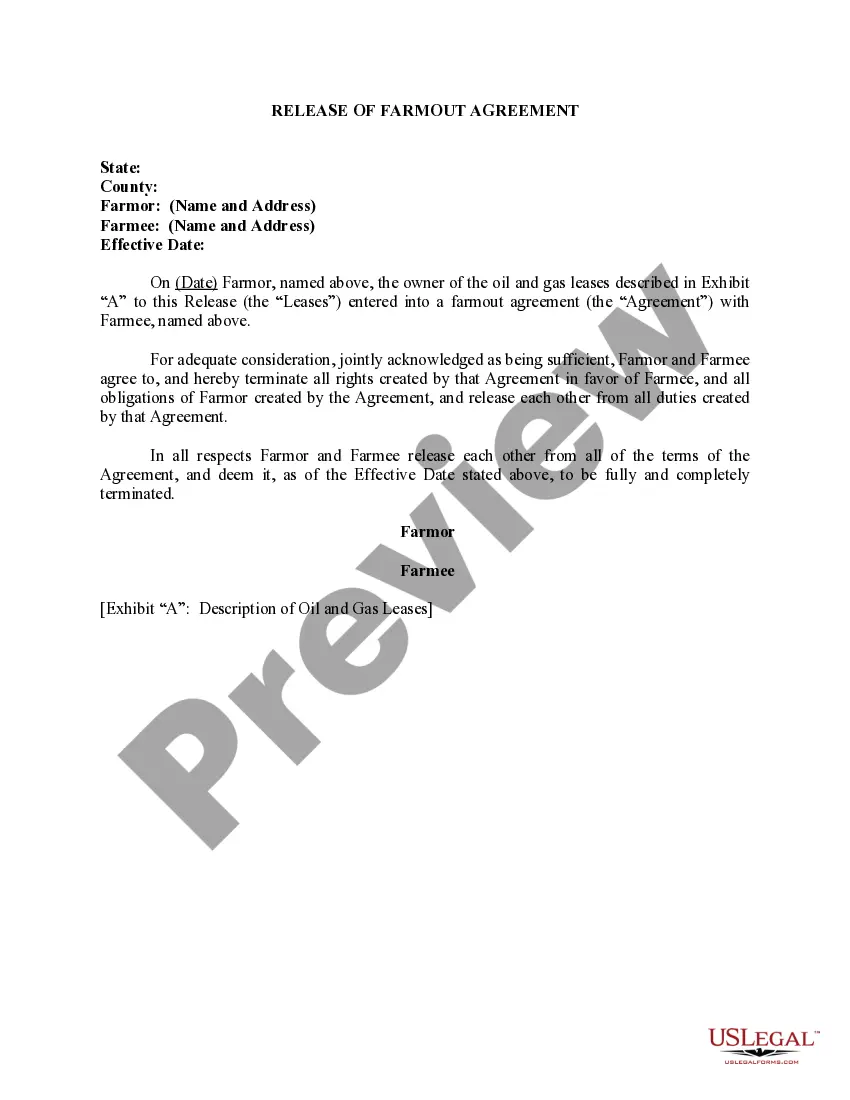
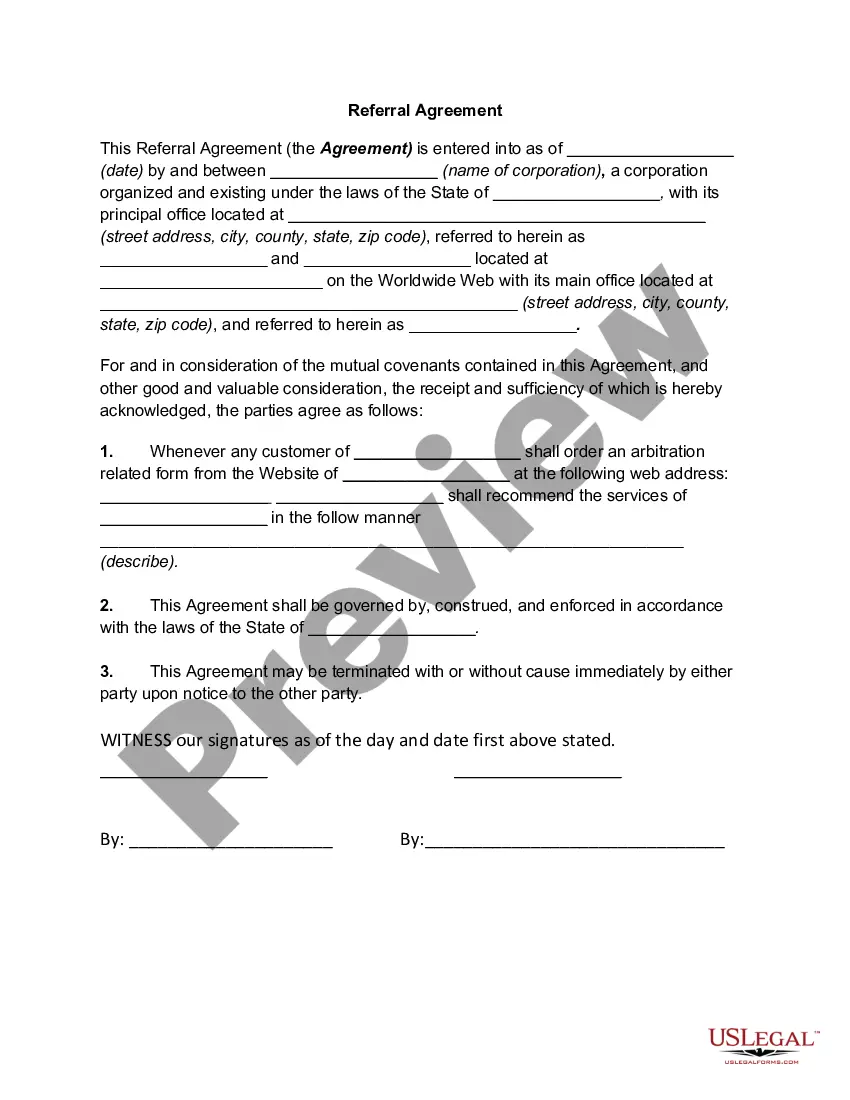
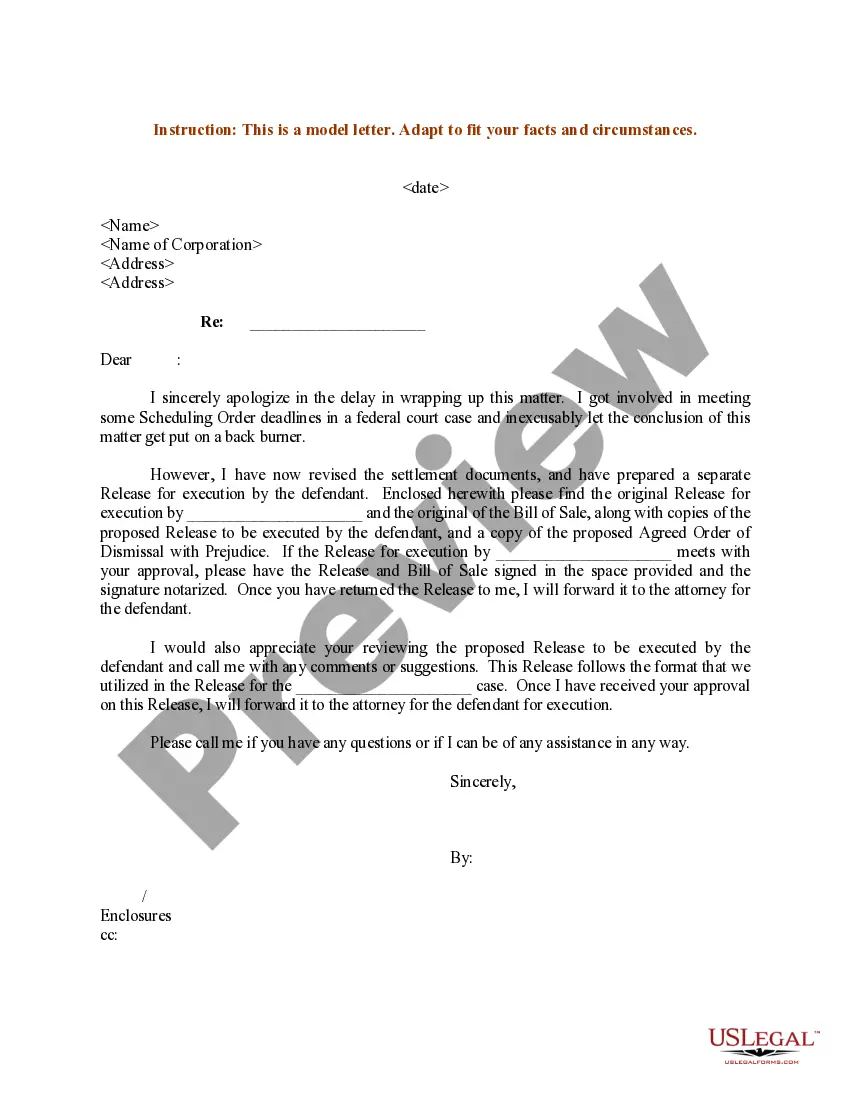
  • Preview Change or Modification Agreement of Deed of Trust
  • Preview Change or Modification Agreement of Deed of Trust
  • Preview Change or Modification Agreement of Deed of Trust
  • Preview Change or Modification Agreement of Deed of Trust
  • Preview Change or Modification Agreement of Deed of Trust
  • Preview Change or Modification Agreement of Deed of Trust

Form popularity

FAQ

Generally trusts are used as they allow the settlor a degree of control over how the property is to be used whereas gifts are used when no control over the asset is required. There is also different tax treatment of each type of deed.

General warranty deeds give the grantee the most legal protection, while special warranty deeds give the grantee more limited protection. A quitclaim deed gives the grantee the least protection under the law.

To transfer real property into your Trust, a new deed reflecting the name of the Trust must be executed, notarized and recorded with the County Recorder in the County where the property is located. Care must be taken that the exact legal description in the existing deed appears on the new deed.

Illinois allows the use of both a deed of trust and a mortgage. Illinois is a lien-theory state.

General warranty deeds give the grantee the most legal protection, while special warranty deeds give the grantee more limited protection. A quitclaim deed gives the grantee the least protection under the law.

The settlor decides how the assets in a trust should be used – this is usually set out in a document called the 'trust deed'. Sometimes the settlor can also benefit from the assets in a trust – this is called a 'settlor-interested' trust and has special tax rules.

General warranty deeds: A general warranty deed provides the most protection to the buyer but gives the grantor the highest degree of liability. The grantor of a general warranty deed fully warrants good, clear title to the property.

Trusted and secure by over 3 million people of the world’s leading companies

Deed Of Trust Vs Deed Of Gift In Illinois