Deeds Of Trust To Secure In Michigan
Description

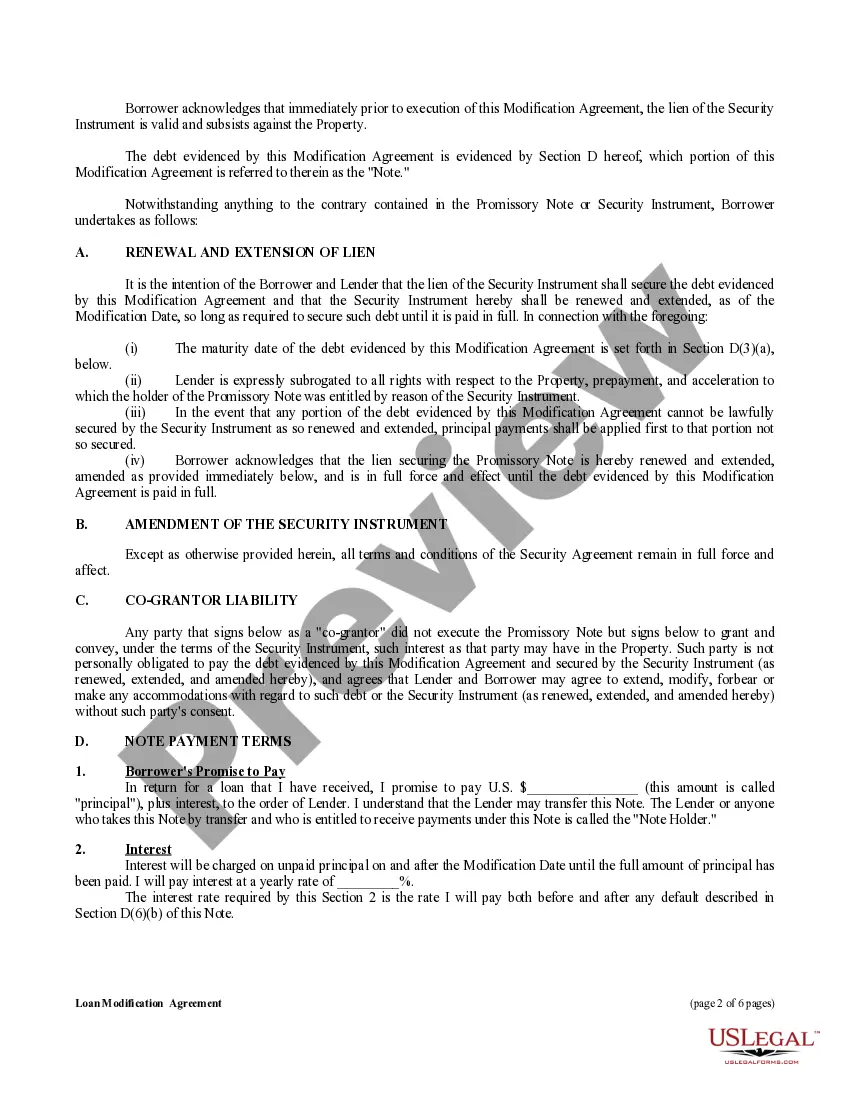
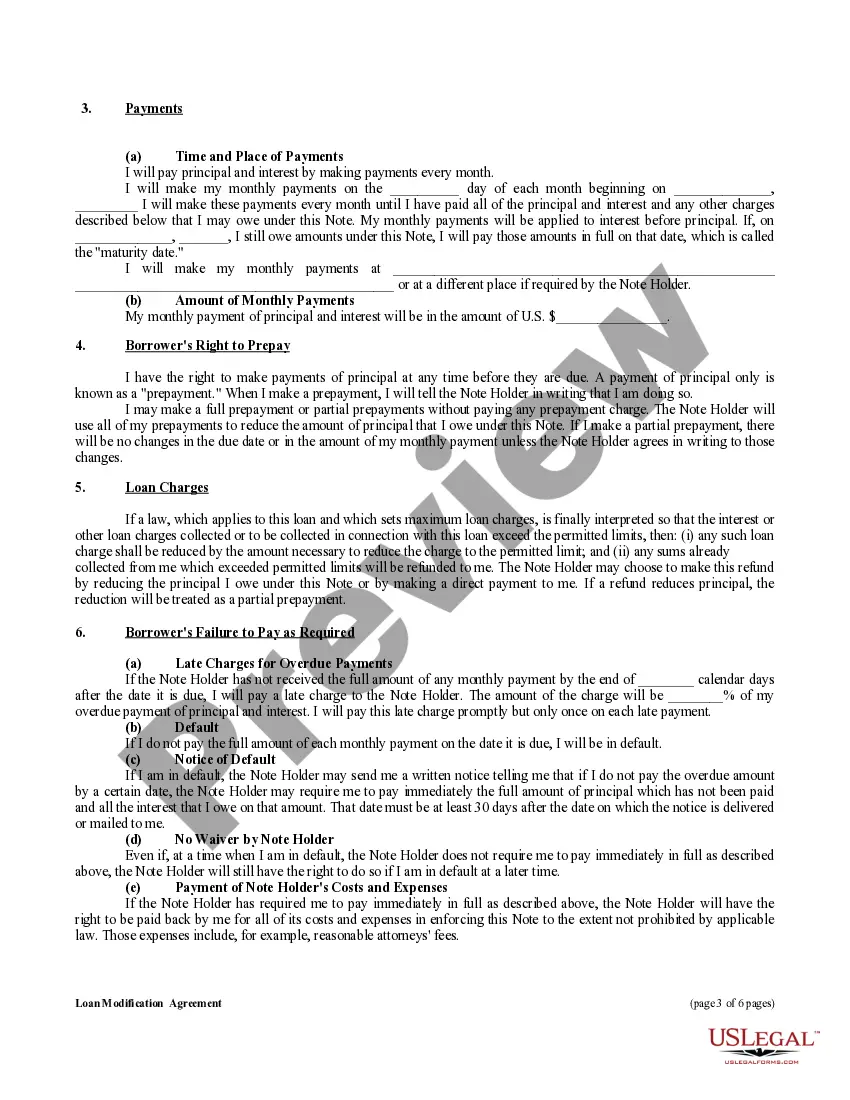
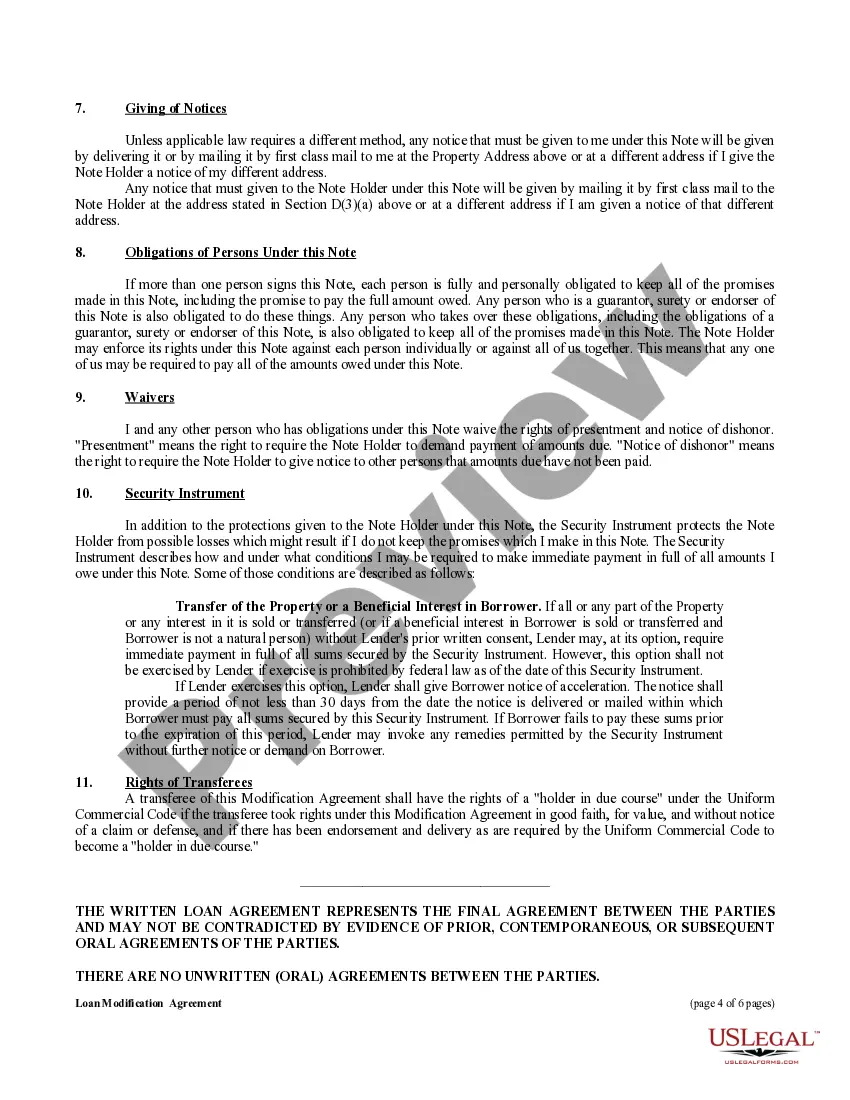
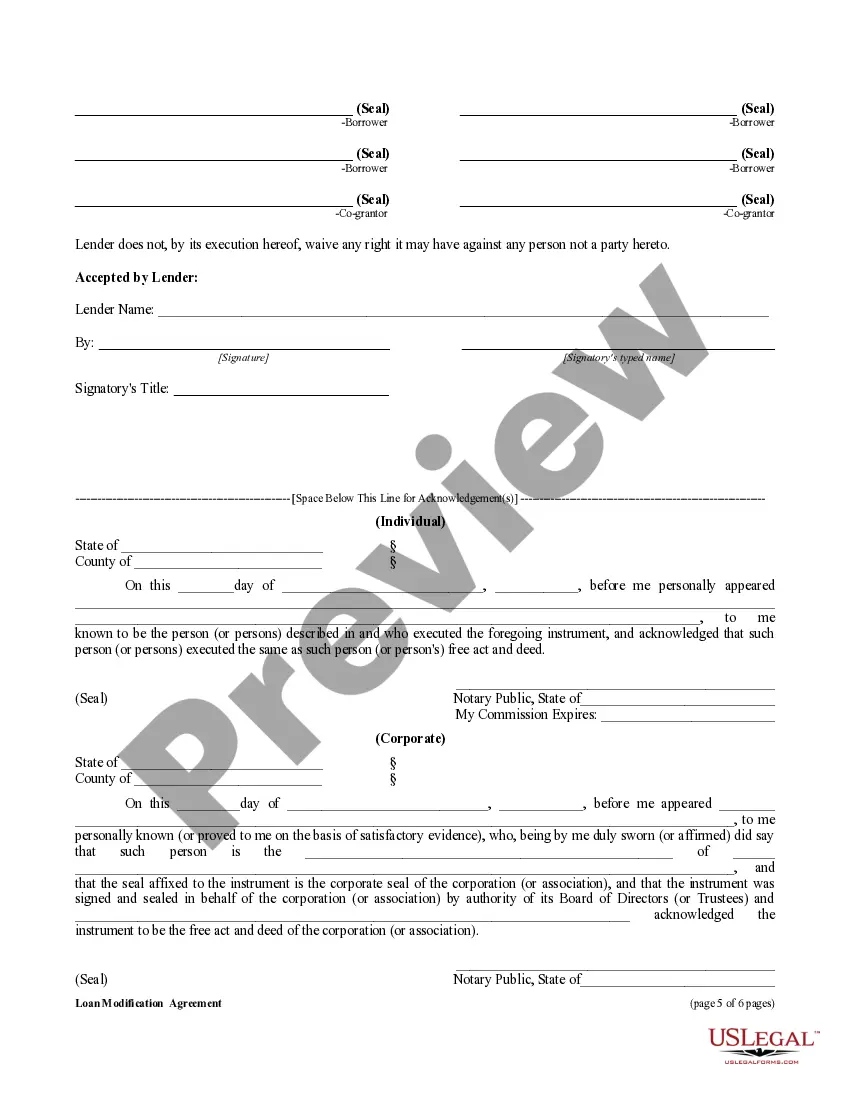

Get your form ready online
Our built-in tools help you complete, sign, share, and store your documents in one place.
Make edits, fill in missing information, and update formatting in US Legal Forms—just like you would in MS Word.
Download a copy, print it, send it by email, or mail it via USPS—whatever works best for your next step.
Sign and collect signatures with our SignNow integration. Send to multiple recipients, set reminders, and more. Go Premium to unlock E-Sign.
If this form requires notarization, complete it online through a secure video call—no need to meet a notary in person or wait for an appointment.
We protect your documents and personal data by following strict security and privacy standards.

Make edits, fill in missing information, and update formatting in US Legal Forms—just like you would in MS Word.

Download a copy, print it, send it by email, or mail it via USPS—whatever works best for your next step.

Sign and collect signatures with our SignNow integration. Send to multiple recipients, set reminders, and more. Go Premium to unlock E-Sign.

If this form requires notarization, complete it online through a secure video call—no need to meet a notary in person or wait for an appointment.

We protect your documents and personal data by following strict security and privacy standards.
Looking for another form?
Form popularity
FAQ
A security trust deed (STD) is a legal document that is used to create a security interest in assets. In the context of securitisation, the assets that are typically securitised are pools of loans.
A notary plays an essential role in the creation of a living trust in Michigan by validating the trust document through notarization. This step ensures that the document is legally binding by validating the identity of the person creating and signing the trust agreement.
This Deed of Trust is a security agreement and financing statement under the Uniform Commercial Code for the benefit of Lender as secured party for any of the items specified above as part of the Property which, under applicable law, may be subject to a security interest pursuant to the Uniform Commercial Code, and ...
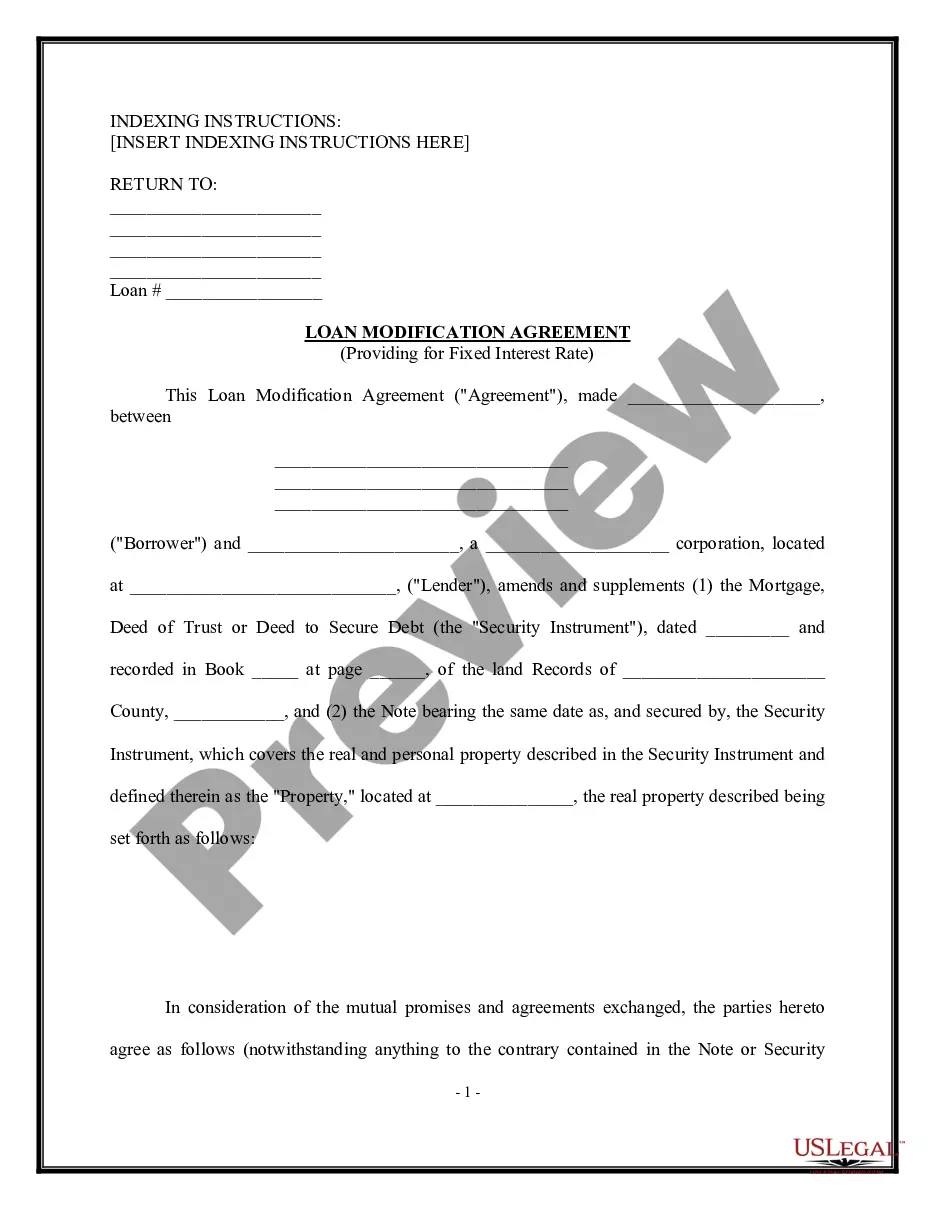
A Michigan deed of trust is a document used together with a promissory note to obtain financing for real estate. A trust deed transfers the borrower's legal property title to a neutral trustee to hold until the lender is repaid in full.
The term length of trust deed investments is much shorter than a traditional mortgage, which can benefit borrowers investing in real estate for quick turnarounds, like fix-and-flip and rental properties. The limited term also positions investors for reliable, passive income with strong rates of return.
Security trusts are commonly used in syndicated facilities and securitisation transactions, with the beneficiaries being the lenders or the holders of the bonds and the other entities involved in managing the transaction, such as an agent or arranger.
Security trusts greatly simplify arrangements for secured lending and other financial arrangements as the rights of each financier are clearly set out in the trust deed. They also facilitate financiers coming and going without the need for refinancing or transferring of the securities given by the corporation.
The forms must be filed in the probate court. See also indexes for general, general civil, and general probate forms for other forms which are used in probate estate and trust proceedings as appropriate.
If a trust instrument or certificate of trust under section 7913 of the estates and protected individuals code, 1998 PA 386, MCL 700.7913, accompanies an instrument as described in section 1, the trust instrument or certificate of trust under section 7913 of the estates and protected individuals code, 1998 PA 386, MCL ...
