Deed Of Trust With Lien In New York
Description

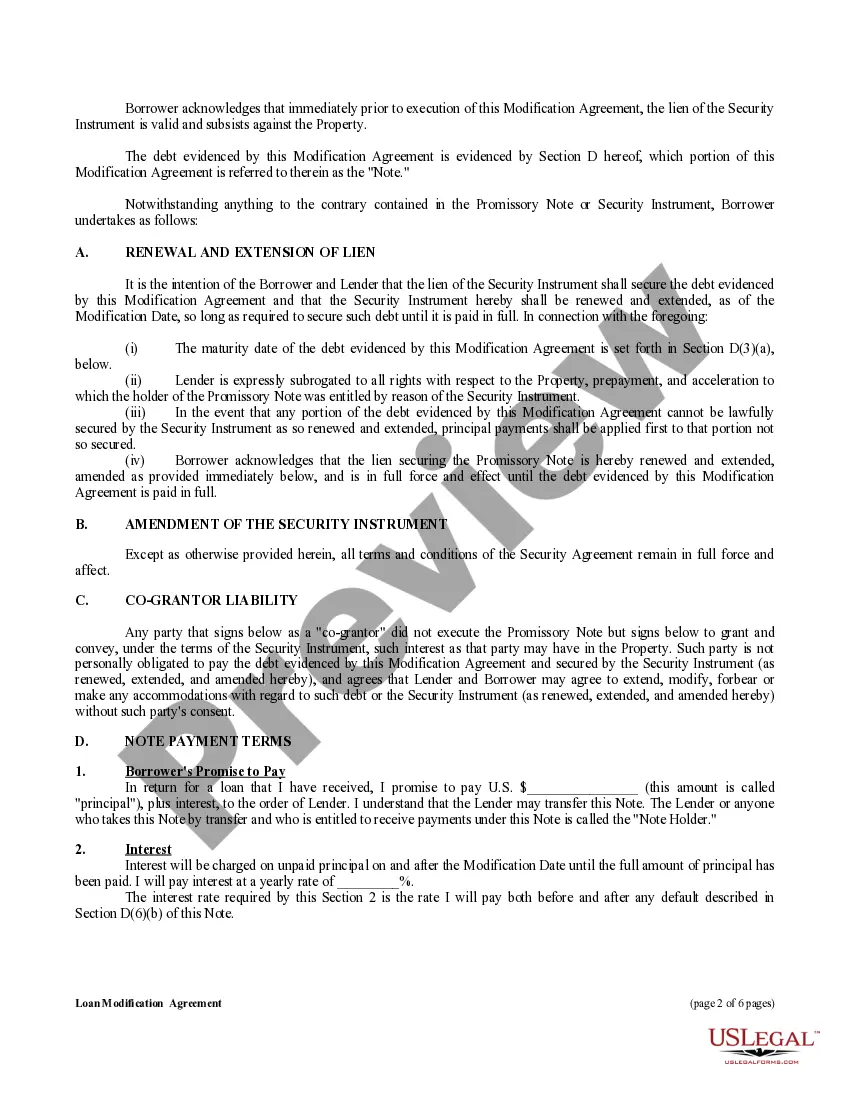
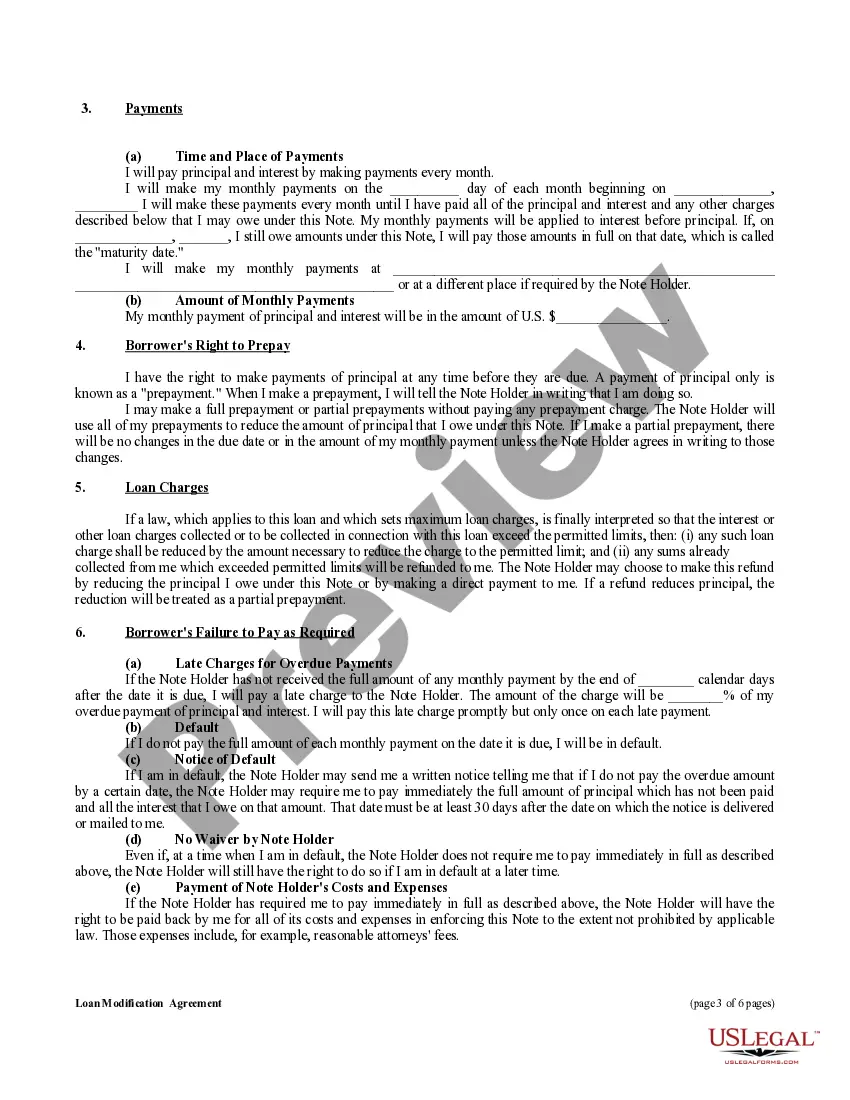
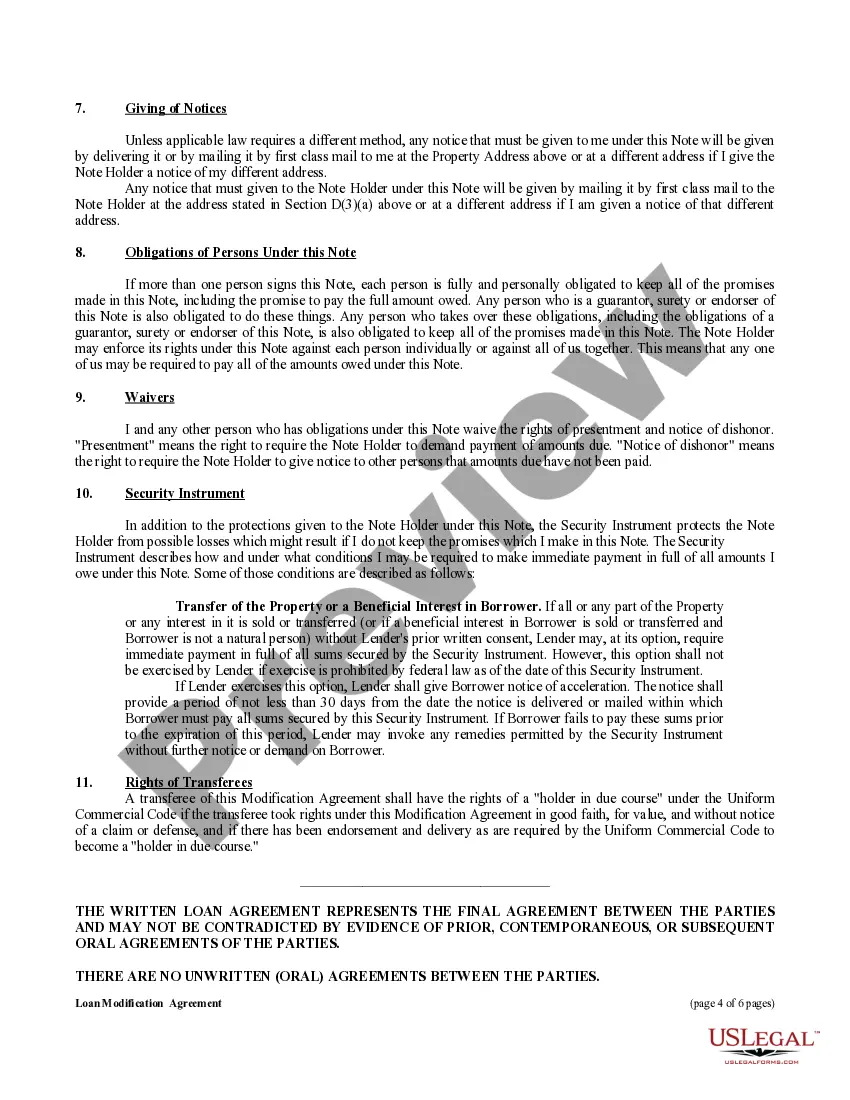
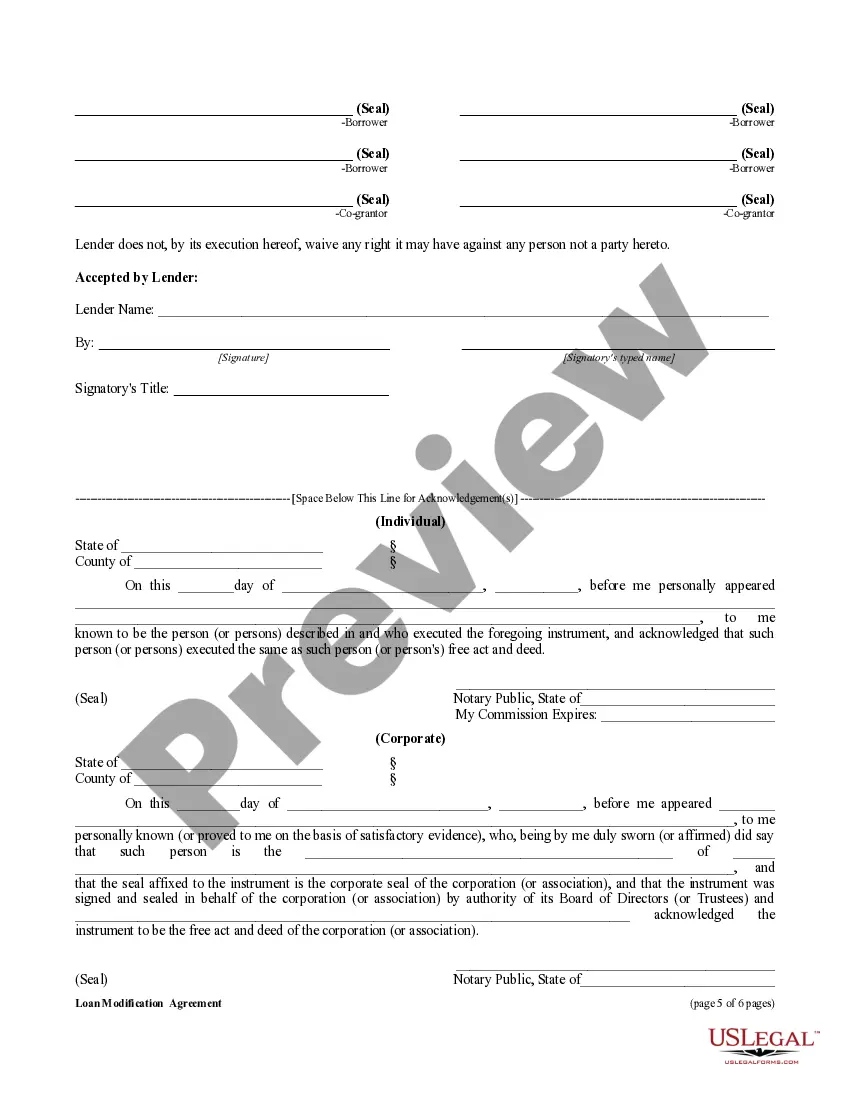

Get your form ready online
Our built-in tools help you complete, sign, share, and store your documents in one place.
Make edits, fill in missing information, and update formatting in US Legal Forms—just like you would in MS Word.
Download a copy, print it, send it by email, or mail it via USPS—whatever works best for your next step.
Sign and collect signatures with our SignNow integration. Send to multiple recipients, set reminders, and more. Go Premium to unlock E-Sign.
If this form requires notarization, complete it online through a secure video call—no need to meet a notary in person or wait for an appointment.
We protect your documents and personal data by following strict security and privacy standards.

Make edits, fill in missing information, and update formatting in US Legal Forms—just like you would in MS Word.

Download a copy, print it, send it by email, or mail it via USPS—whatever works best for your next step.

Sign and collect signatures with our SignNow integration. Send to multiple recipients, set reminders, and more. Go Premium to unlock E-Sign.

If this form requires notarization, complete it online through a secure video call—no need to meet a notary in person or wait for an appointment.

We protect your documents and personal data by following strict security and privacy standards.
Looking for another form?
Form popularity
FAQ
A deed of trust creates a lien on the purchased property when it is executed and delivered by the trustor/borrower to the beneficiary (usually the lender). Once executed and delivered, the deed of trust takes priority as a security against the property in relation to any other liens previously recorded.
So be sure to check with your county recorder's office for more. Information. Take a look at theMoreSo be sure to check with your county recorder's office for more. Information. Take a look at the links in the description below to learn more.
The seller's attorney will give the original deed to the buyer's attorney at closing. That original then gets recorded at the clerk's office of the local municipality. The clerk's office scans and records the document into the land records and then sends it to the buyer or their attorney.
As a result, a creditor could go after the trust, seek its termination, and gain access to assets within it. So, to be absolutely clear: A revocable living trust does not protect assets from creditors.
Can a lien be placed on a trust? A lien filed against the beneficiary of the trust (you) cannot be attached to the property. After all, the title is not held in your name. HOWEVER, the property itself can be liened.
Yes you can. Revocable living trusts don't, however, protect your assets from people with legal claims against you. That's because although the trust is a legal entity, for legal purposes you're treated as the owner of the trust assets.
Yes, a mortgaged property can be put in a trust. Once a mortgaged property is transferred into a trust, the rules of the trust would apply to the real property, even if it has a mortgage on it.
A properly-conveyed deed should be recorded to provide notice to the world of ownership. Title to real property can be held by one person or by multiple people. Title can also be held by a trust or a business entity.
