Deeds Of Trust In Va In Philadelphia
Description








Get your form ready online
Our built-in tools help you complete, sign, share, and store your documents in one place.
Make edits, fill in missing information, and update formatting in US Legal Forms—just like you would in MS Word.
Download a copy, print it, send it by email, or mail it via USPS—whatever works best for your next step.
Sign and collect signatures with our SignNow integration. Send to multiple recipients, set reminders, and more. Go Premium to unlock E-Sign.
If this form requires notarization, complete it online through a secure video call—no need to meet a notary in person or wait for an appointment.
We protect your documents and personal data by following strict security and privacy standards.

Make edits, fill in missing information, and update formatting in US Legal Forms—just like you would in MS Word.

Download a copy, print it, send it by email, or mail it via USPS—whatever works best for your next step.

Sign and collect signatures with our SignNow integration. Send to multiple recipients, set reminders, and more. Go Premium to unlock E-Sign.

If this form requires notarization, complete it online through a secure video call—no need to meet a notary in person or wait for an appointment.

We protect your documents and personal data by following strict security and privacy standards.
Looking for another form?
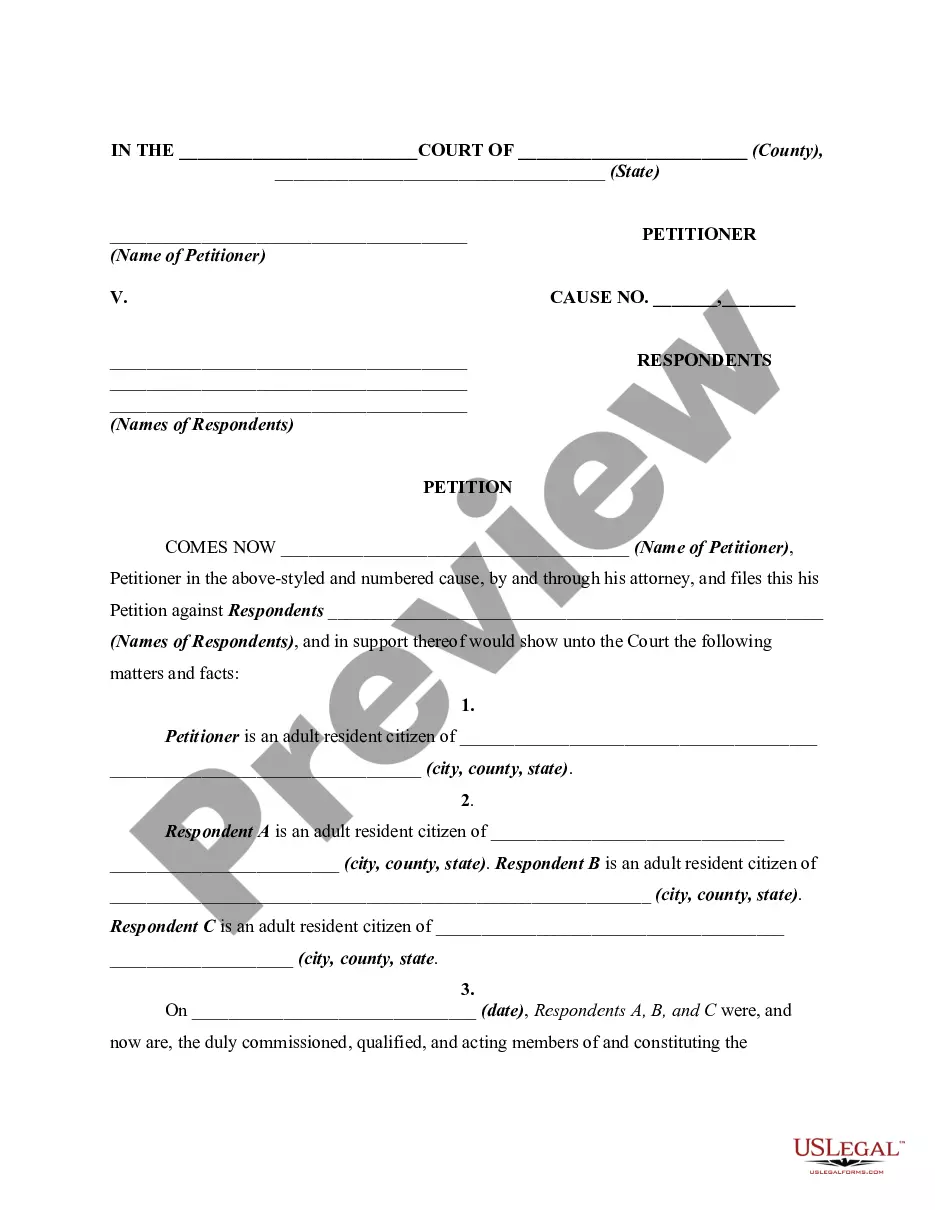
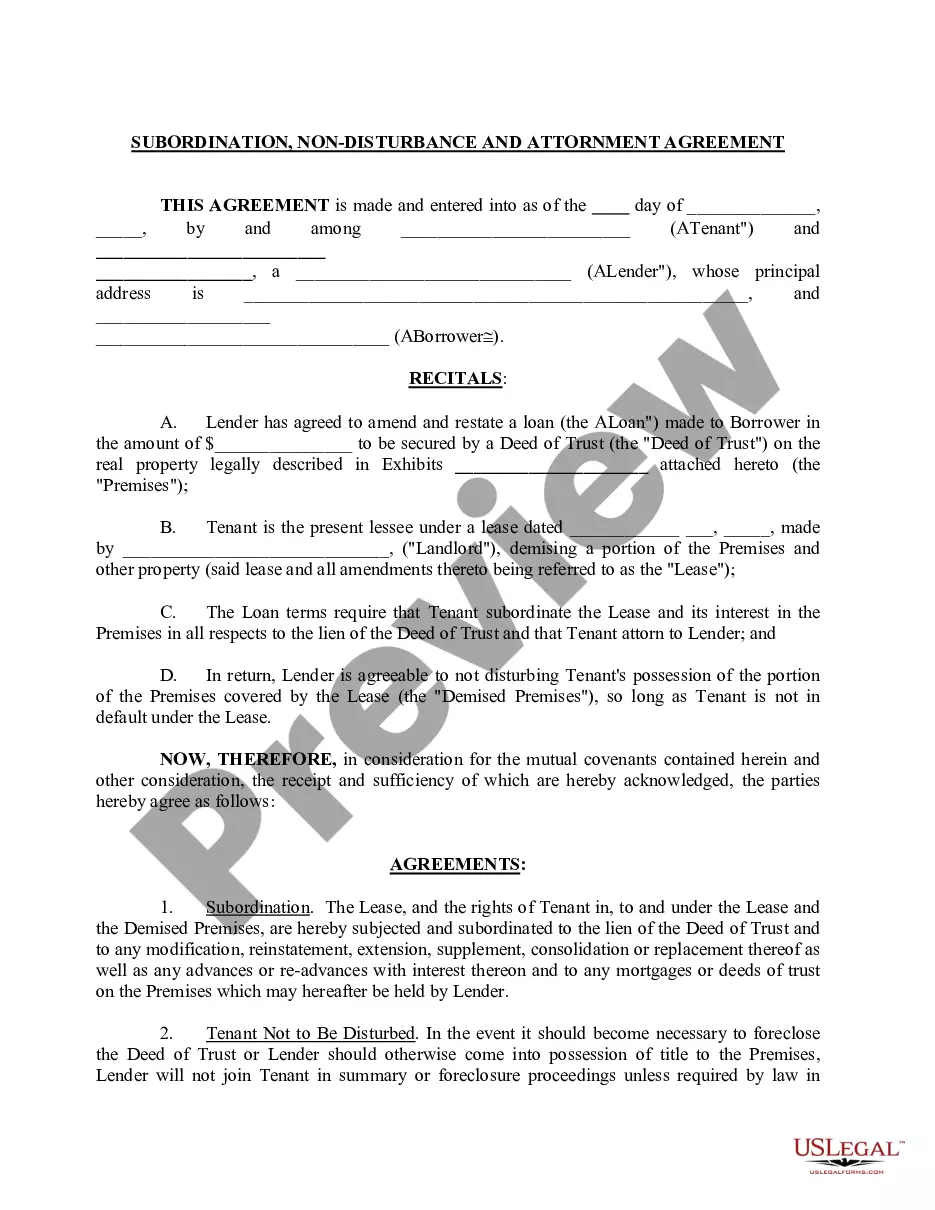
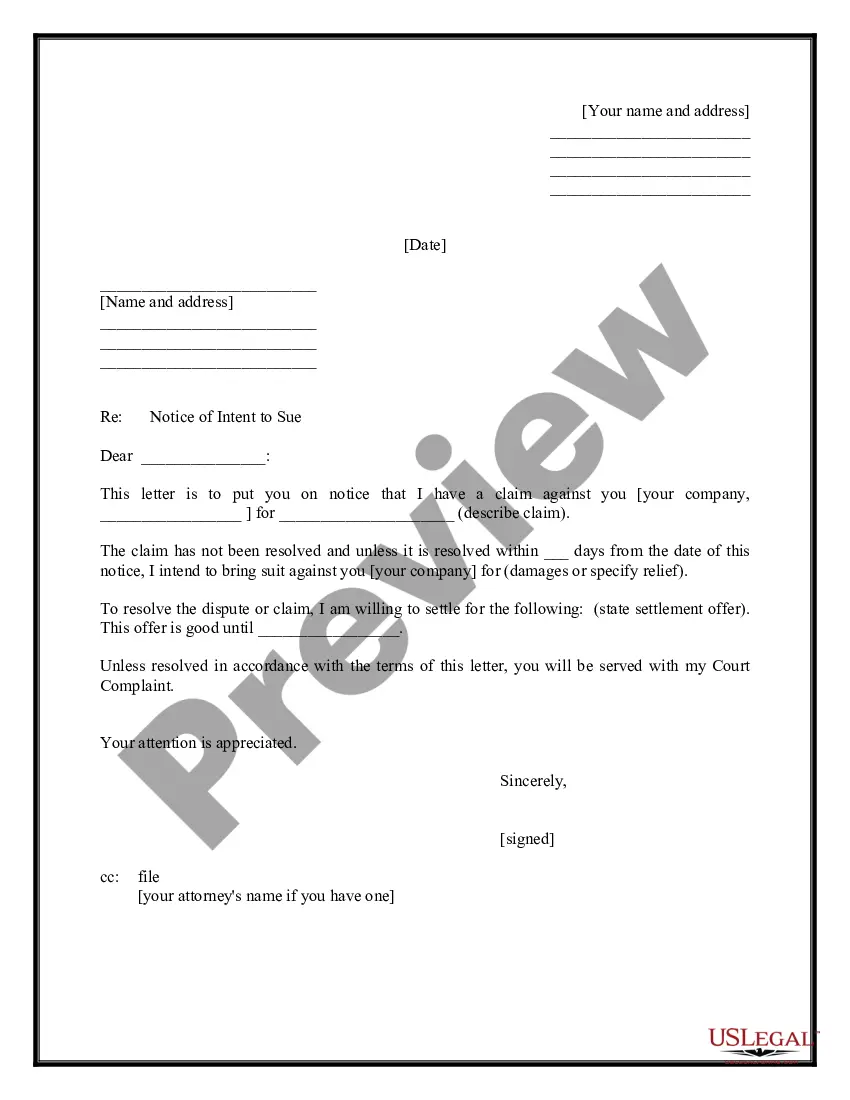
Form popularity
FAQ
Where to Get a Deed of Trust? To get a Deed of Trust, you must file the proper paperwork with the proper court as generally outlined above. These documents must be filed with the county clerk or recorder, and the lender typically sends them to the recording office after the property closing.
Under a deed of trust, the grantor agrees to the trustee's power of sale; that is, the right to a “non-judicial foreclosure” if they default on payments. This type of foreclosure process exempts the beneficiary from requiring the court's approval to sell the property.
The biggest difference between a deed and a title is physical: a deed is an official written document declaring a person's legal ownership of a property, while a title refers to the intangible concept of ownership rights.
A Deed to Trust form used to transfer the grantor's title and interest in real property in Pennsylvania to a trustee of a trust for the grantor's benefit. This standard document allows the drafter to choose between warranty and quitclaim deed language.
State Tax Rate Virginia levies a recordation tax on bonds or other obligations secured by the deeds of trust or mortgages at a rate of $0.25 per $100 (or portion of $100).
Deeds in Trusts also known as “Deed of Assignments” record the voluntary sale of a property to satisfy a debt. When an individual or business suffered economic hardships referred to as “sundry losses and misfortunes” they assigned all their property for the benefit of creditors.
Trust Deed - An instrument used to create a mortgage lien by which the mortgagor conveys his or her title to a trustee, who holds it as security for the benefit of the note holder (the lender); also called a Deed of Trust.
Disadvantages of a trust deed. You may lose your business banking facility. Some banks may withdraw your business account if you enter into a trust deed. You may also find it difficult to open a business account with another bank.
