Deed Of Trust Records For A Business In Riverside
Description








Get your form ready online
Our built-in tools help you complete, sign, share, and store your documents in one place.
Make edits, fill in missing information, and update formatting in US Legal Forms—just like you would in MS Word.
Download a copy, print it, send it by email, or mail it via USPS—whatever works best for your next step.
Sign and collect signatures with our SignNow integration. Send to multiple recipients, set reminders, and more. Go Premium to unlock E-Sign.
If this form requires notarization, complete it online through a secure video call—no need to meet a notary in person or wait for an appointment.
We protect your documents and personal data by following strict security and privacy standards.

Make edits, fill in missing information, and update formatting in US Legal Forms—just like you would in MS Word.

Download a copy, print it, send it by email, or mail it via USPS—whatever works best for your next step.

Sign and collect signatures with our SignNow integration. Send to multiple recipients, set reminders, and more. Go Premium to unlock E-Sign.

If this form requires notarization, complete it online through a secure video call—no need to meet a notary in person or wait for an appointment.

We protect your documents and personal data by following strict security and privacy standards.
Looking for another form?
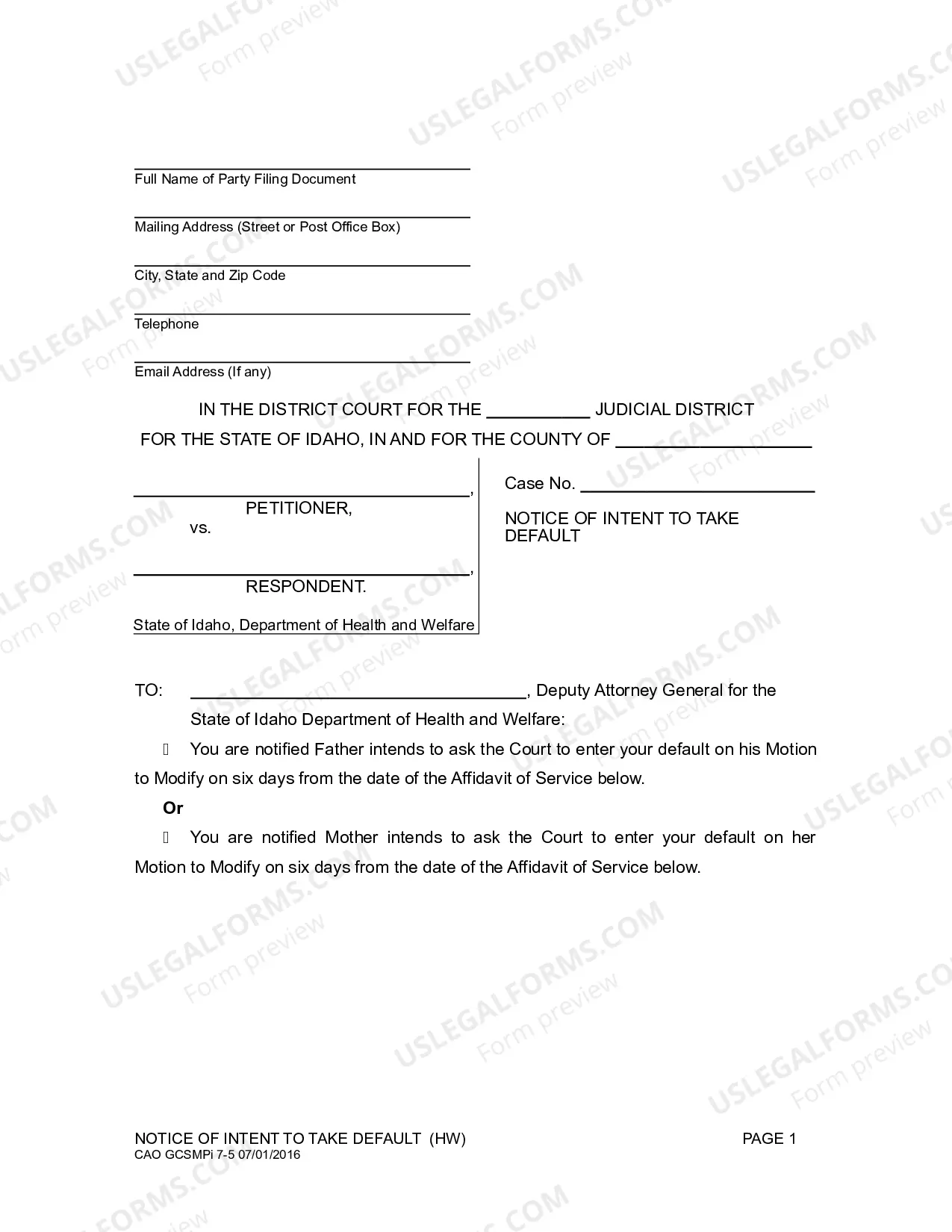
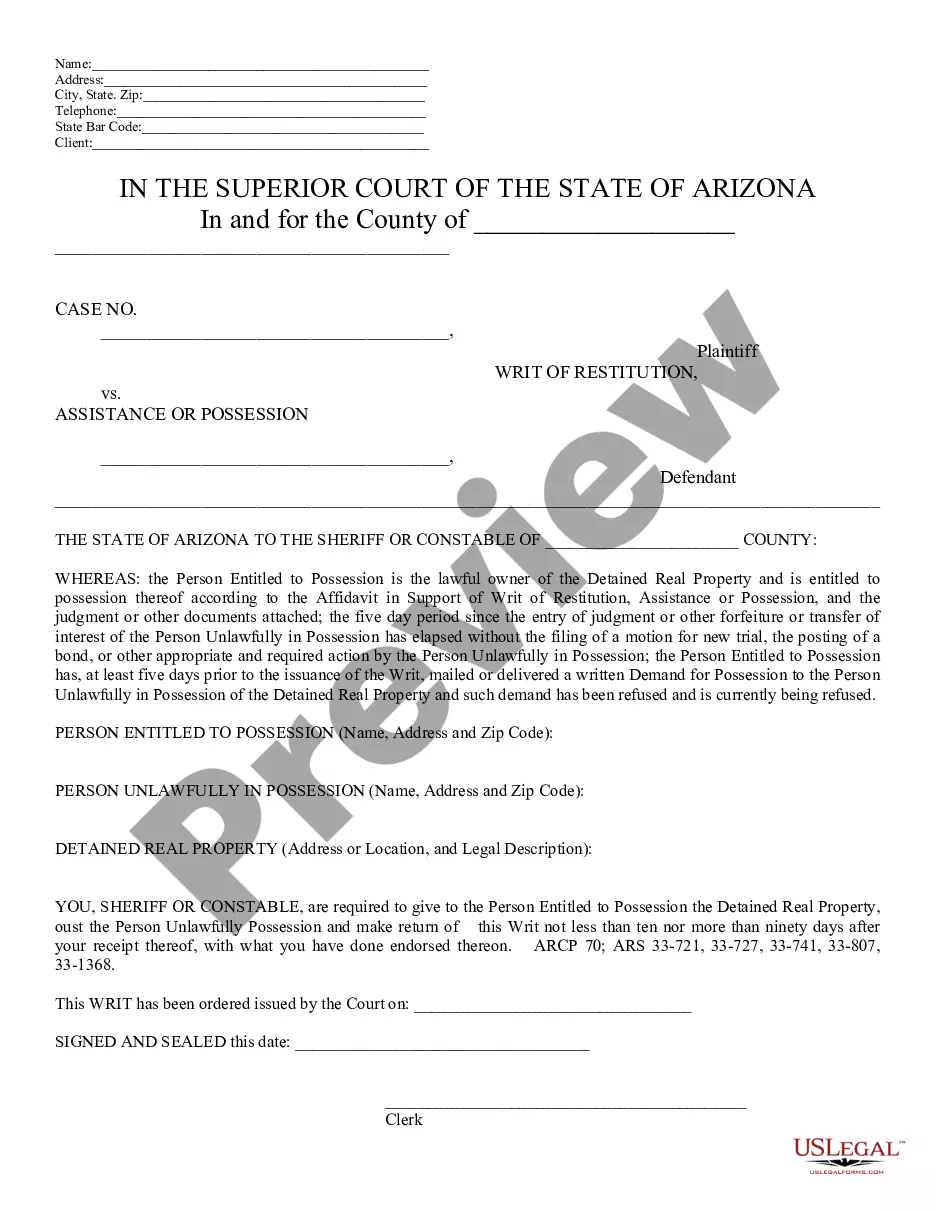
Form popularity
FAQ
In California, there are several ways to record real estate documents: In-person submission. Under this option, a person or his messenger service may visit the county recorder's office to submit the recording over the counter. Mail-in recording. Use of a title company or attorney courier service.
You'll find most California property deeds at the County Clerk's office, also called the Registrar/Recorder office. Some of them provide online searches. Others require visiting their offices. For example, the San Diego County Clerk's Office provides online searches.
Again, the deed must be recorded in the county (or at the local recording office) in which the property sits. If you completed your trust at our office (not by mail) we provided a pre-addressed envelope to each respective recorder's office along with instructions on how to record a California deed.
Recorder Offices County Administrative Center. 4080 Lemon St, 1st floor / PO Box 751, Riverside, California 92501 / 92502-0751. Gateway Office. 2724 Gateway Dr, Riverside, California 92507. Hemet Office. Palm Desert Office. Temecula Office. Blythe Office.
Recording a document means that it is filed with the county recorder's office and becomes a public record. In California, living trusts are not required to be recorded, nor is it recommended.
While that's a reasonable question, the fact is, trust documents generally avoid the court completely. As such, they are not matters of public record. This means that you likely will not be able to secure a copy of the trust from the Office of the County Clerk or the courthouse in the same way you would a will.
A trust deed gives the third-party “trustee” (usually a title company or real estate broker) legal ownership of the property.
Record the Signed Documents at the County Recorder's Office Take the original signed and notarized Deed of Trust and Promissory Note to the County Recorder's Office for the county where the property is located. In Sacramento, this is at 3636 American River Drive, Ste. 110, Sacramento CA 95864.
Recorder Offices County Administrative Center. 4080 Lemon St, 1st floor / PO Box 751, Riverside, California 92501 / 92502-0751. Gateway Office. 2724 Gateway Dr, Riverside, California 92507. Hemet Office. Palm Desert Office. Temecula Office. Blythe Office.
