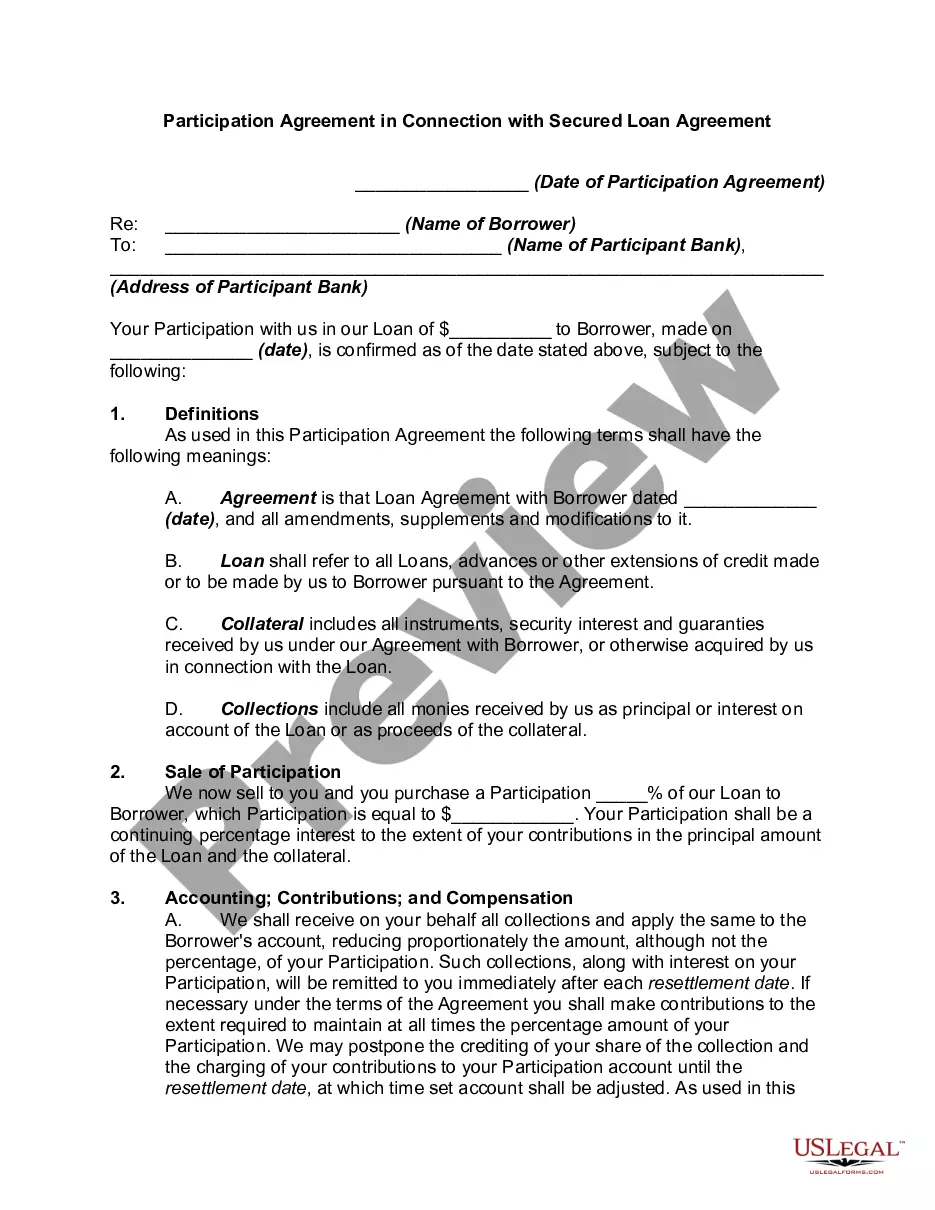
Title Transfer Form For Texas In Virginia
Description








Get your form ready online
Our built-in tools help you complete, sign, share, and store your documents in one place.
Make edits, fill in missing information, and update formatting in US Legal Forms—just like you would in MS Word.
Download a copy, print it, send it by email, or mail it via USPS—whatever works best for your next step.
Sign and collect signatures with our SignNow integration. Send to multiple recipients, set reminders, and more. Go Premium to unlock E-Sign.
If this form requires notarization, complete it online through a secure video call—no need to meet a notary in person or wait for an appointment.
We protect your documents and personal data by following strict security and privacy standards.
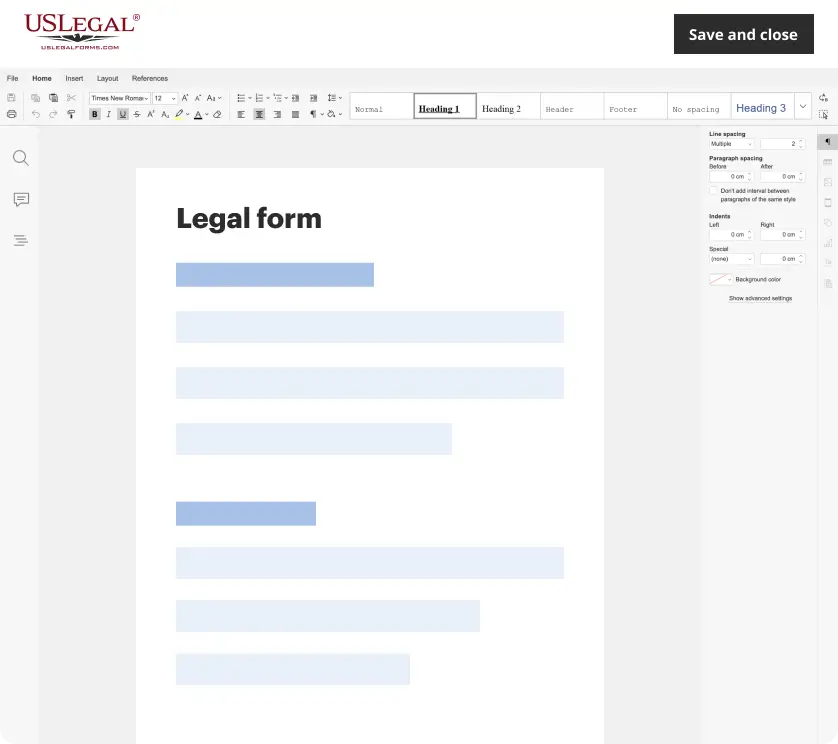
Make edits, fill in missing information, and update formatting in US Legal Forms—just like you would in MS Word.
Download a copy, print it, send it by email, or mail it via USPS—whatever works best for your next step.
Sign and collect signatures with our SignNow integration. Send to multiple recipients, set reminders, and more. Go Premium to unlock E-Sign.

If this form requires notarization, complete it online through a secure video call—no need to meet a notary in person or wait for an appointment.
We protect your documents and personal data by following strict security and privacy standards.
Looking for another form?
Form popularity
FAQ
Form 130-U, Application for Texas Title and/or Registration (PDF) (application), documents the Texas Department of Motor Vehicles (TxDMV) title application information for motor vehicles and off-highway vehicles (OHVs).
Do Both Parties Have to be Present to Transfer a Car in Texas? If the seller or person gifting the car properly signed the title, they do not have to be present at the DMV to transfer the title. However, the person receiving the vehicle must present the Application for Texas Title in person at the DMV.
Moving to a new state You'll need to follow your new state's requirements for transferring a car title, such as filling out the title and registration forms and paying all applicable fees and taxes. Some states require additional paperwork for out-of-state vehicles, such as an emissions test or safety inspection.
You can submit a Vehicle Transfer Notification online through the DMV's website or at a local office. Remember not to procrastinate and be sure to transfer the title within 30 days of the sale to avoid racking up late fees.
Furthermore, out-of-state transfers will likely require additional paperwork. Check out your state's DMV website for specific documents to bring, or see our examples above. Most states require proof of insurance when transferring a title.
Dealer Purchases and Leased Vehicles The dealer will provide you with a temporary plate transfer or temporary registration for the 30 day period to allow you to legally drive.
You may request a replacement title online and save $1 if: you own or co-own the vehicle, your title has been stolen, lost or mutilated, and. you do not want to change any information on the title.
The Process of Transferring the Title The buyer and seller meet up. The buyer pays for the vehicle. Both fill out the physical title certificate and sign it.
Documents Needed The original title assigned from the seller to the buyer. An Application for Texas Title (130-U) completed by buyer(s), buyer(s) signature must be original. Government issued photo ID for buyer. Proof of Texas liability insurance. Supporting documents for example:
Form 130-U The application is used by the County Tax Assessor-Collector (CTAC) and the Comptroller's office to calculate the amount of motor vehicle tax due. The application includes a motor vehicle tax statement section to document the following: the motor vehicle sales tax due on a Texas sale of a motor vehicle.