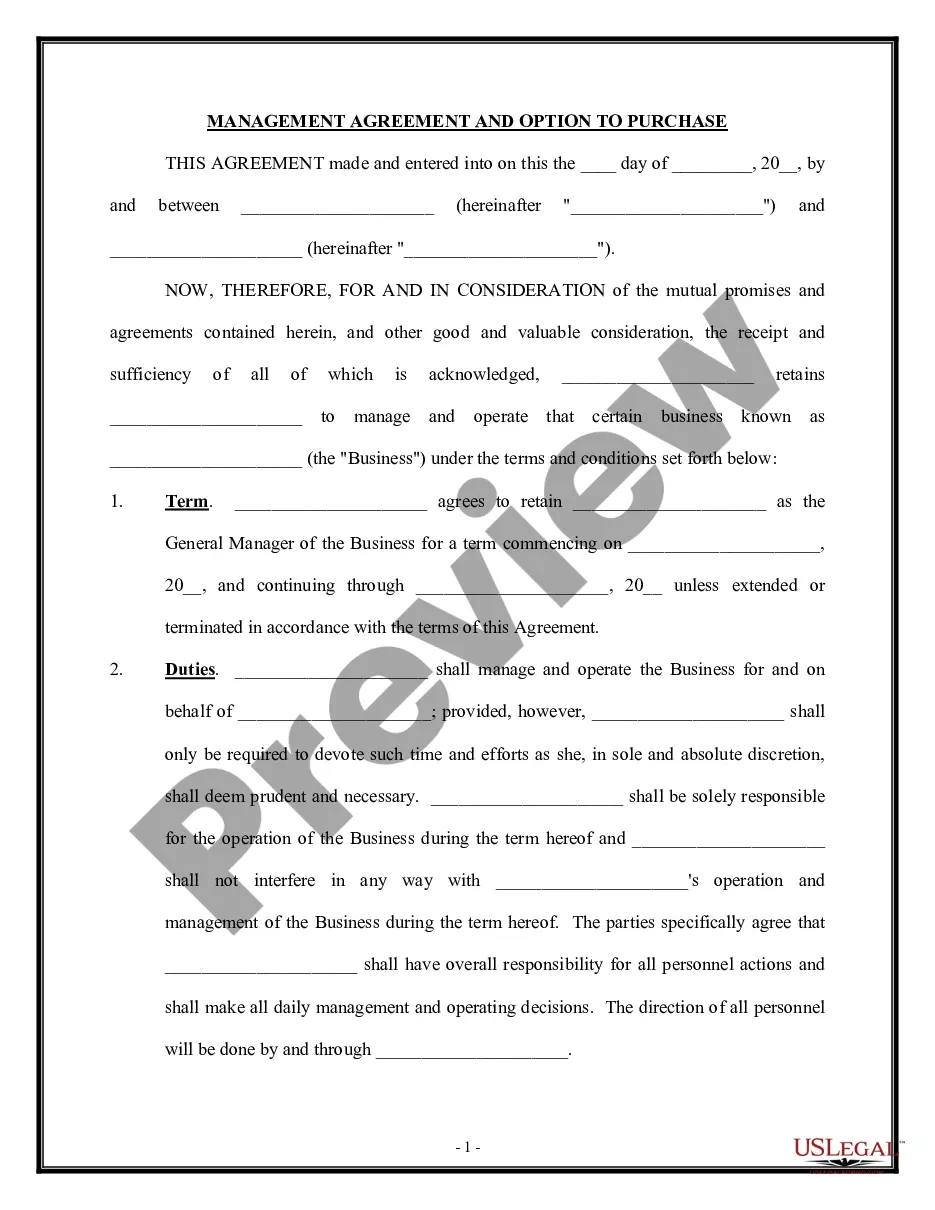
Warranty Deed Vs Deed Of Trust In Dallas
Description
Get your form ready online
Our built-in tools help you complete, sign, share, and store your documents in one place.
Make edits, fill in missing information, and update formatting in US Legal Forms—just like you would in MS Word.
Download a copy, print it, send it by email, or mail it via USPS—whatever works best for your next step.
Sign and collect signatures with our SignNow integration. Send to multiple recipients, set reminders, and more. Go Premium to unlock E-Sign.
If this form requires notarization, complete it online through a secure video call—no need to meet a notary in person or wait for an appointment.
We protect your documents and personal data by following strict security and privacy standards.

Make edits, fill in missing information, and update formatting in US Legal Forms—just like you would in MS Word.

Download a copy, print it, send it by email, or mail it via USPS—whatever works best for your next step.

Sign and collect signatures with our SignNow integration. Send to multiple recipients, set reminders, and more. Go Premium to unlock E-Sign.

If this form requires notarization, complete it online through a secure video call—no need to meet a notary in person or wait for an appointment.

We protect your documents and personal data by following strict security and privacy standards.
Looking for another form?
Form popularity
FAQ
A warranty deed does not actually prove ownership of a property. The best way to establish ownership is through a title search, which examines public records to determine if any liens, third-party claims, or other issues could affect ownership.
Warranty Deeds are the basic staple of real estate property transfers in Texas. These deeds are commonly used to transfer ownership of a house or other real estate between a Seller and a Buyer. Be advised that the Seller needs to be alive and legally competent to sign documents.
While a traditional warranty deed involves a grantor and a grantee, a deed of trust includes three parties. These are the lender (the beneficiary), the borrower (the trustor) and the trustee, a third party that might be a title company.
General Warranty Deeds provide the most protection to the grantee (buyer). This deed guarantees that the grantor (seller) holds clear title and has the right to sell the property. Unlike a Special Warranty Deed, this guarantee extends back to the property's earliest title.
It's important to note that a warranty deed does not actually prove the grantor has ownership (a title search is the best way to prove that), but it is a promise by the grantor that they are transferring ownership and if it turns out they don't actually own the property, the grantor will be responsible for compensating ...
A deed can only convey what the grantor owns and no more. This is true even if the deed “purports to transfer a greater right or estate in the property” (Prop. Code Sec. 5.003).
Deed or official record: Original deed, warranty deed or deed of trust to the property. A utility bill dated between April 2022 and present, must also be included. Mortgage documentation: Mortgage statement, mortgage promissory note or the closing disclosure form.
How do I get a warranty deed? You can get a warranty deed from your real estate agent. The warranty deed should include all the important details surrounding the real estate transaction (names of people involved, appropriate signatures, description of the property, etc.).
As a property owner and grantor, you can obtain a warranty deed for the transfer of real estate through a local realtor's office, or with an online search for a template. To make the form legally binding, you must sign it in front of a notary public.
How to fill out warranty deed texas: Begin by obtaining the correct form for a warranty deed in Texas. Fill in the necessary information on the form, including the names and addresses of both the grantor (current owner) and the grantee (new owner). Provide a detailed legal description of the property being transferred.