Receipt For Donation In Santa Clara
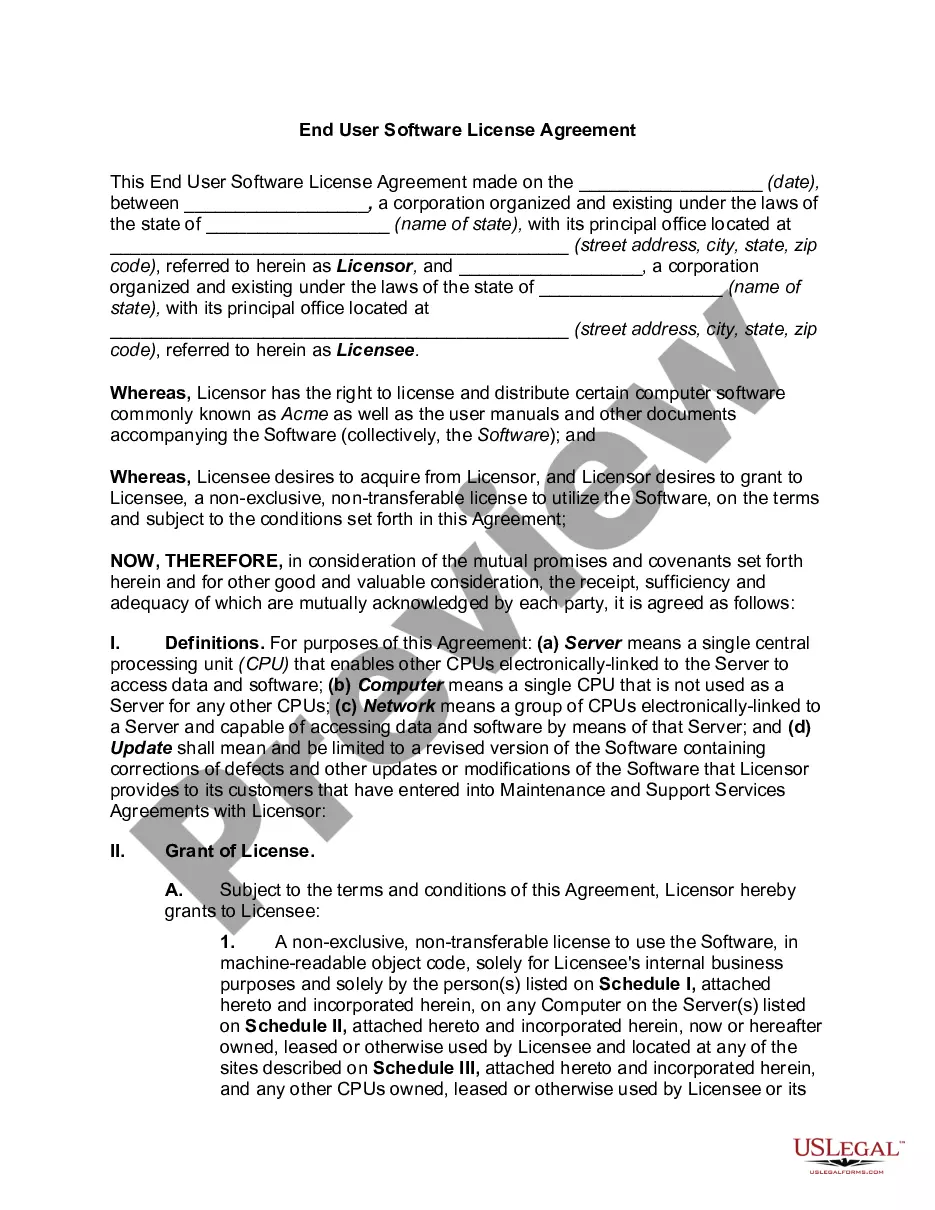
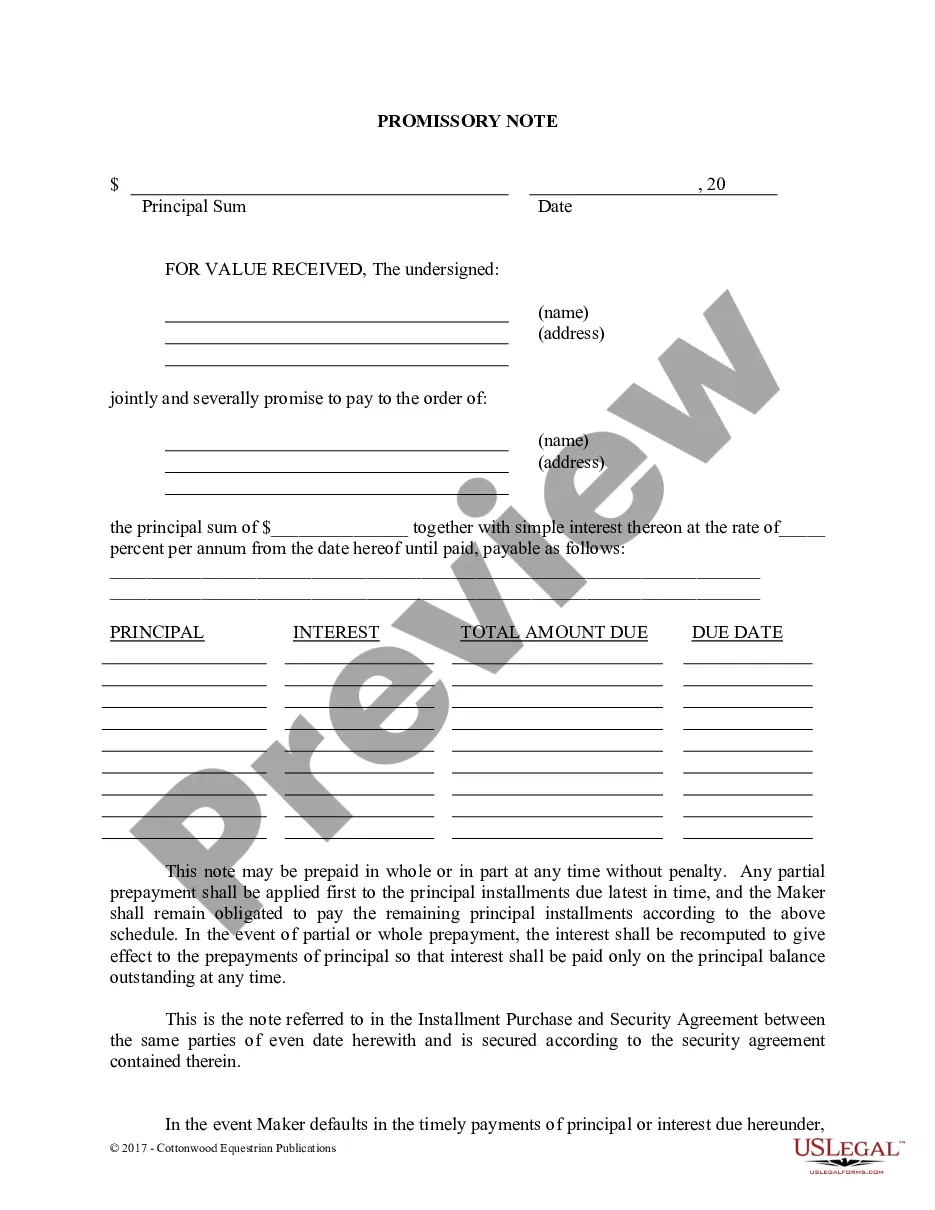
Description





Form popularity
FAQ
About Form 8283, Noncash Charitable Contributions. Internal Revenue Service.
How to fill out a Goodwill Donation Tax Receipt A: Date, Name and Address. This section organizes when a donation was made, who dropped off the donation and your current address. B: Donation Details. C: Tax Year. D. E: Fine Print. F: Goodwill Confirmation. How to deduct your Goodwill donations on your taxes.
As mentioned above, to claim a charitable donation, you need to itemize your deductions using Form 1040, Schedule A as part of your tax preparation. Schedule A reports your itemized deductions, including charitable contributions. Fill out this form carefully to ensure accurate information about your donations.
How to Reissue a Donation Receipt Open the Donation Record: Navigate to the donation record for which you need to reissue the receipt. Edit Personal Information. Modify the First Name. Restore the First Name. Download the Reissued Receipt:
The receipt can take a variety of written forms – letters, formal receipts, postcards, computer-generated forms, etc. It's important to remember that without a written acknowledgment, the donor cannot claim the tax deduction.
Charitable contributions or donations can help taxpayers to lower their taxable income via a tax deduction. To claim a tax-deductible donation, you must itemize on your taxes. The amount of charitable donations you can deduct may range from 20% to 60% of your AGI.
While it's best practice to always send a donation receipt for every gift your organization receives, there are circumstances where a donation receipt is required by the IRS and must meet IRS guidelines, including: When single donations are greater than $250.
Donation receipts help both you and your donors track the contributions that are made to your organization for the year. These receipts provide your organization with a clearer view of your annual fundraising efforts and help you predict next year's flow of income.
Yes. The IRS may not check every donation receipt, but it's best to operate as if it does. You want to be ready if the IRS decides to check your records. Incomplete records could mean disqualification of your tax-exempt status.

