Pleading Paper For Pages In Arizona
Description


Form popularity
FAQ
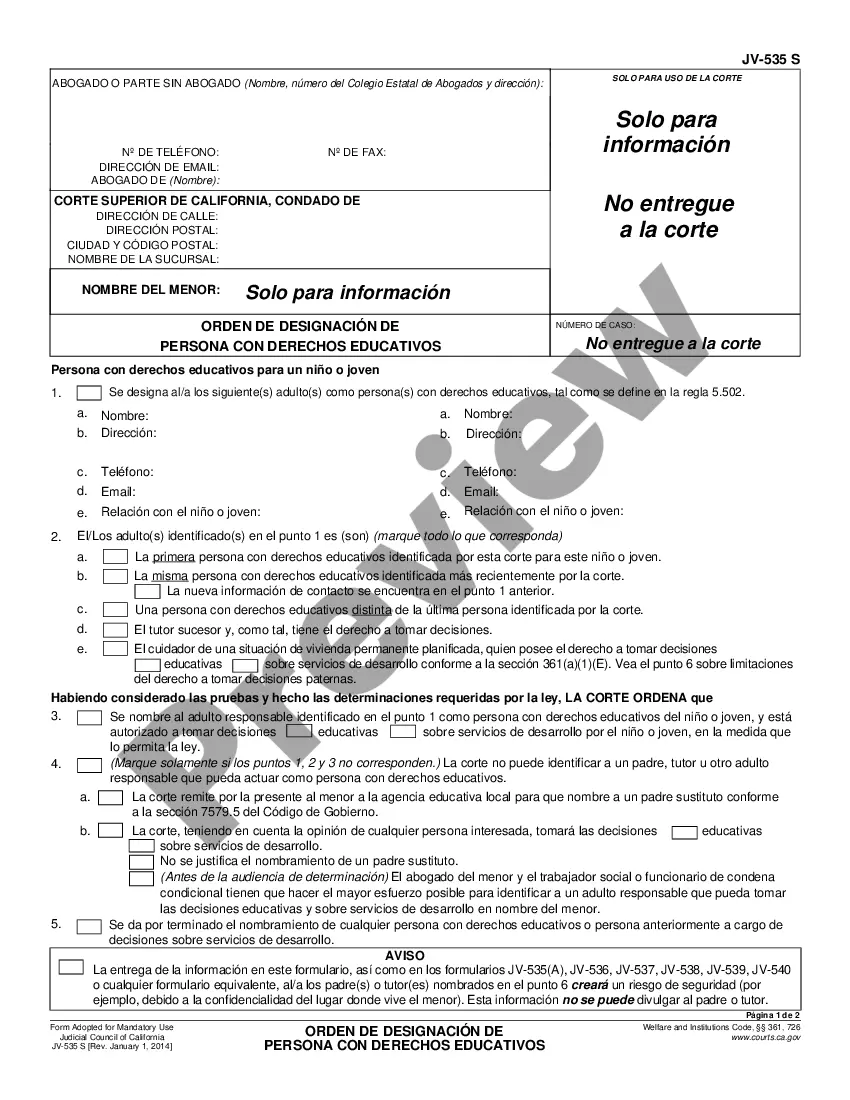
“Pleading paper” is the term for legal-format paper, with numbers down the side. In situations where there is no pre-printed court form, court paperwork must be submitted on pleading paper.
Pleadings in civil litigation are formal written documents that outline the claims, defenses, and legal arguments of the parties involved in a lawsuit. These documents are filed with the court and serve as the foundation for the legal dispute.
A pleading must be in writing and must be signed by all persons joining in it. All pleadings filed in proceedings under the Probate Code must be verified. If two or more persons join in a pleading, it may be verified by any of them.
To start aligning your text, use exact line spacing instead of single or double spacing. The pleading line number spacing is set to exactly 24 pt, so you have to ensure that the side numbering matches the spacing of the text, which should also be set to 24-point spacing.
Summary and Explanation Caption Requirement. Names of Parties. Paragraphs; Separate Statements. Adoption by Reference; Exhibits. Format Requirements.
You can send the court papers by giving the post office copies of the court papers in an envelope, postage prepaid, to be sent to the other party by any form of mail requiring a signed and returned receipt. This is often called Certified Mail, Restricted Delivery by the post office.
You can also ask your court's Self-Help Center or public law library for a sample or blank pleading paper.
1. Pleading paper is the paper used for documents submitted to the court and is numbered down the left hand side. It contains information about your case as well as the text of the filing you are turning in to the court.
(c) Pleadings must contain facts which, if true, are sufficient to constitute a violation of the Act or a Commission regulation or order, or a defense to an alleged violation. (d) Averred facts, claims, or defenses shall be made in numbered paragraphs and must be supported by relevant evidence.

