Pleading With You In Georgia
Description
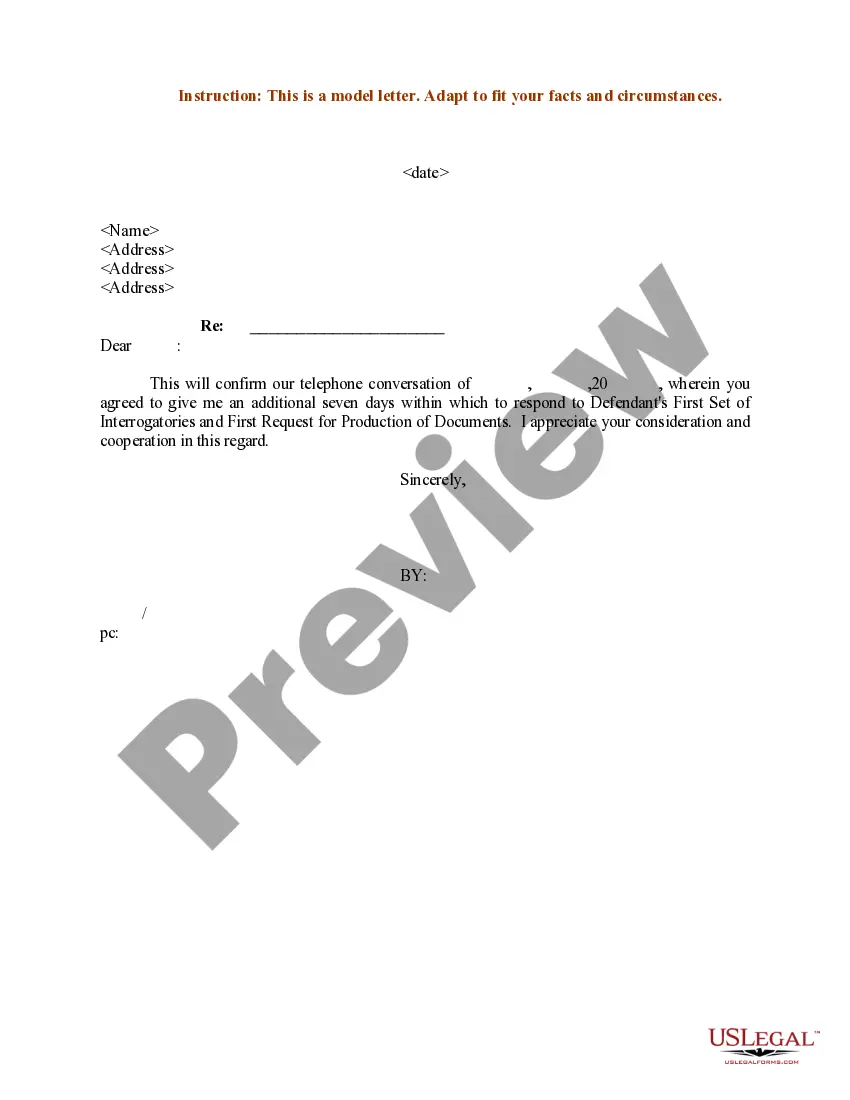
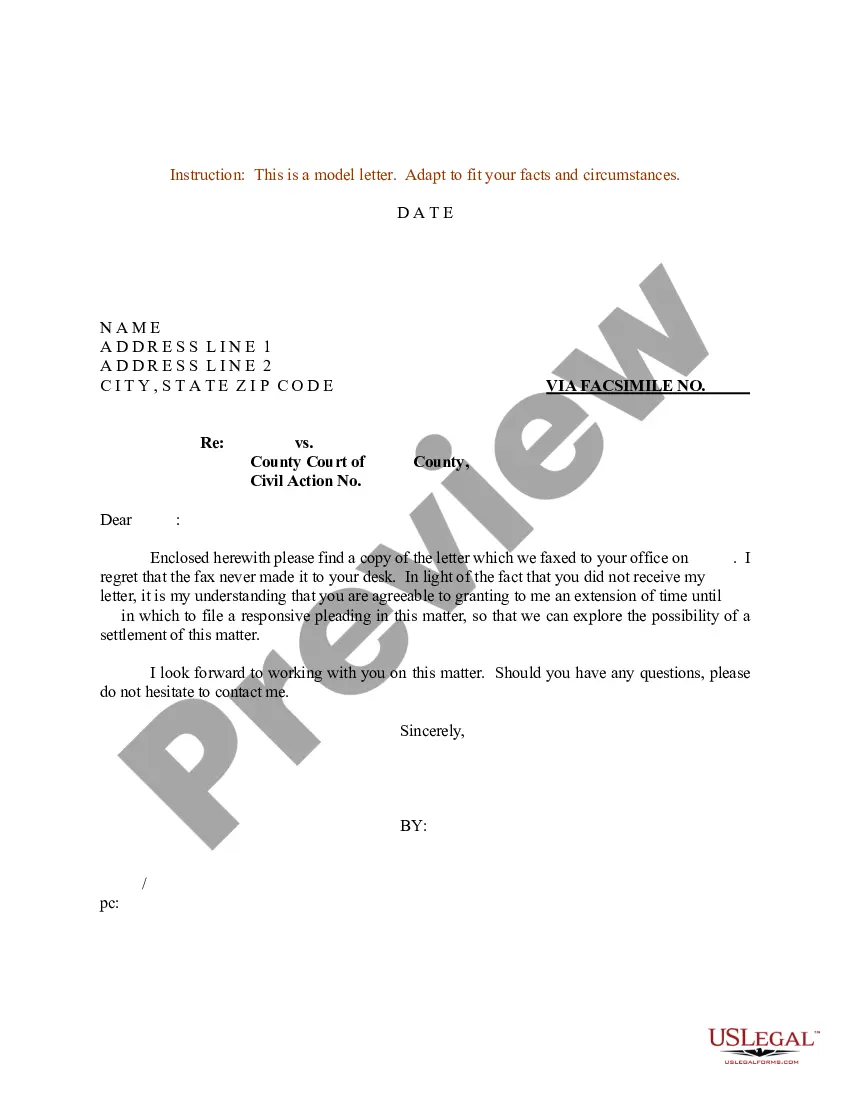
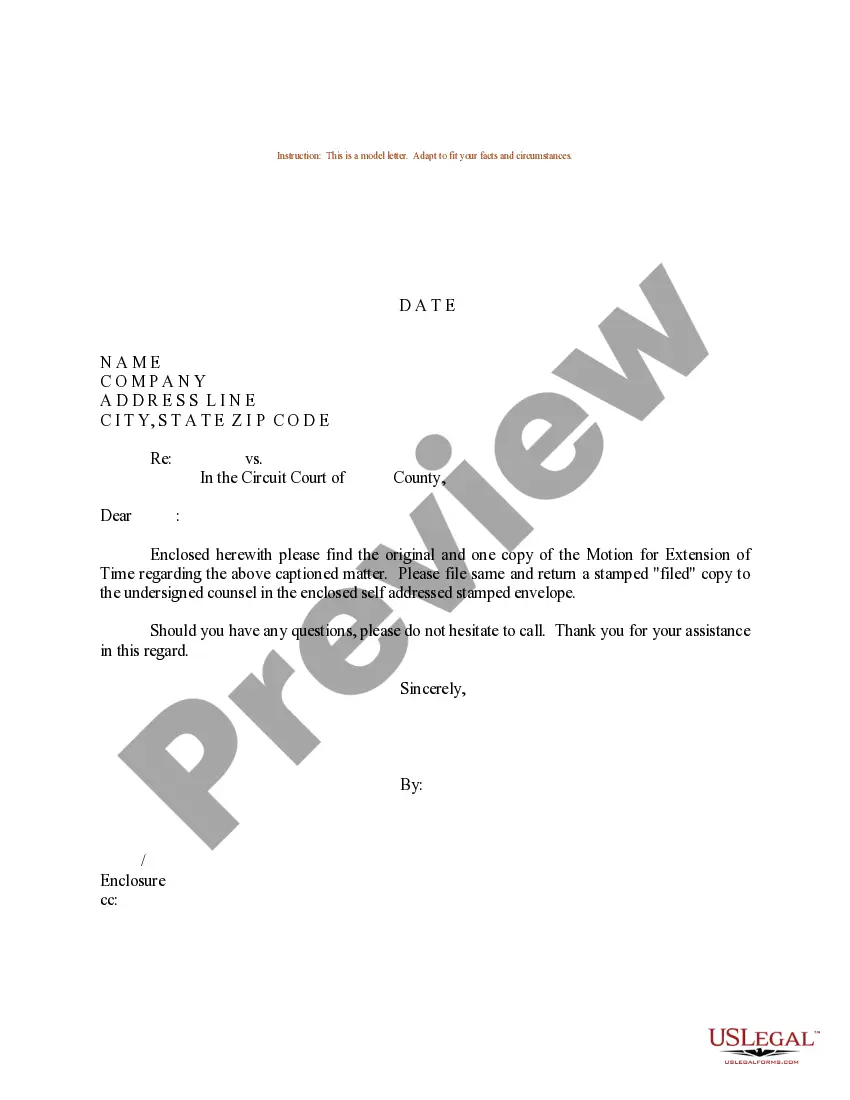
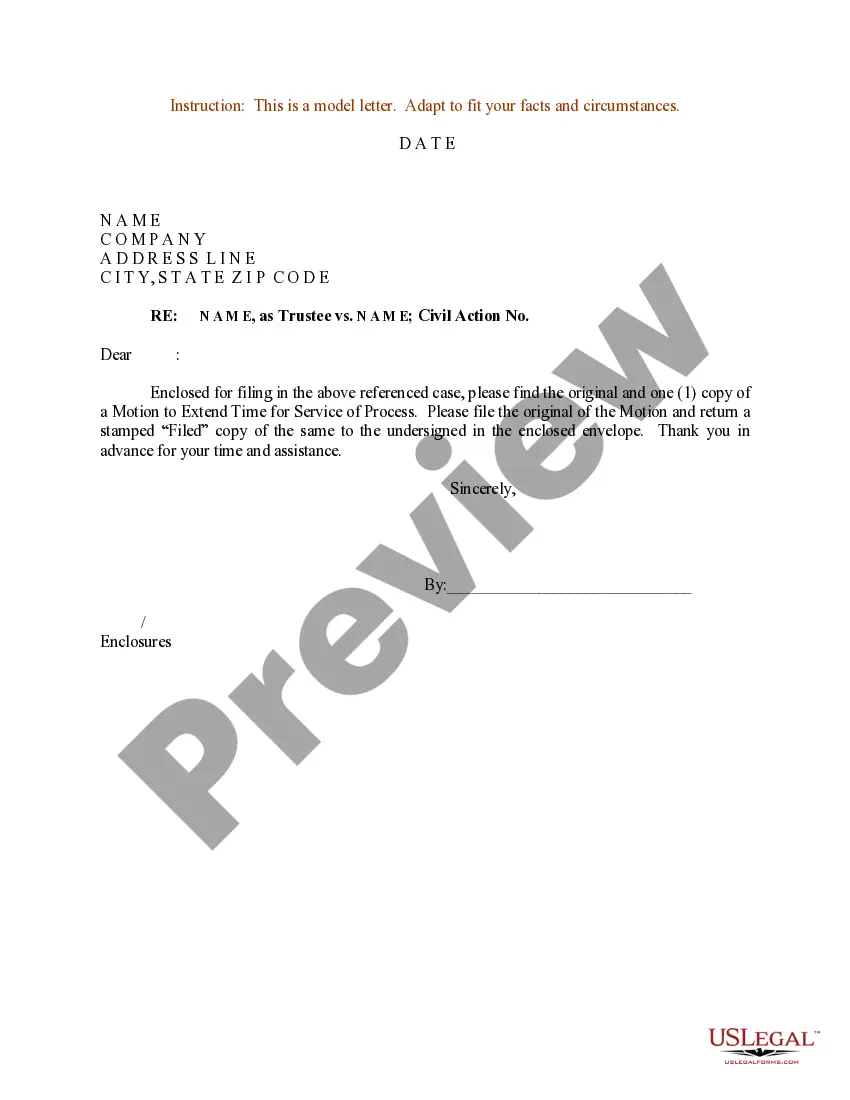
Get your form ready online
Our built-in tools help you complete, sign, share, and store your documents in one place.
Make edits, fill in missing information, and update formatting in US Legal Forms—just like you would in MS Word.
Download a copy, print it, send it by email, or mail it via USPS—whatever works best for your next step.
Sign and collect signatures with our SignNow integration. Send to multiple recipients, set reminders, and more. Go Premium to unlock E-Sign.
If this form requires notarization, complete it online through a secure video call—no need to meet a notary in person or wait for an appointment.
We protect your documents and personal data by following strict security and privacy standards.

Make edits, fill in missing information, and update formatting in US Legal Forms—just like you would in MS Word.

Download a copy, print it, send it by email, or mail it via USPS—whatever works best for your next step.

Sign and collect signatures with our SignNow integration. Send to multiple recipients, set reminders, and more. Go Premium to unlock E-Sign.

If this form requires notarization, complete it online through a secure video call—no need to meet a notary in person or wait for an appointment.

We protect your documents and personal data by following strict security and privacy standards.
Looking for another form?
Form popularity
FAQ
(1) Each averment of a pleading shall be simple, concise, and direct. No technical forms of pleading or motions are required. (2) A party may set forth two or more statements of a claim or defense alternatively or hypothetically, either in one count or defense or in separate counts or defenses.
Pleadings generally The plaintiff first submits a complaint, then the defendant submits its answer. The English common law and early American law contained highly technical pleading requirements, which frequently resulted in parties losing otherwise good cases for failing to meet the complicated requirements of form.
The 3 Vital Elements of Pleading A short statement of the grounds on which the court's jurisdiction depends. A short statement of the claims that the plaintiff or pleader is entitled to. The demand for judgment for the relief the plaintiff or pleader seeks.
There are several types of pleadings in civil litigation. These include complaints, which serve as the basis of the legal action, and answers, which are the responses to the complaints. There may also be counterclaims, crossclaims, and third-party claims, which are also types of pleadings.
There are several types of pleadings in civil litigation. These include complaints, which serve as the basis of the legal action, and answers, which are the responses to the complaints. There may also be counterclaims, crossclaims, and third-party claims, which are also types of pleadings.
Pleadings can be categorized as complaints or answers, though both have variations. A party filing a complaint is the complaining party, while the other side is the responding party. Pleadings set forth parties' positions in the action, such as allegations, claims, defenses and denials.
Only certain very limited types of contracts can be canceled, within three business days after signing. When it is applicable under the law, this three-day cancellation or “cooling-off” period is designed to give you time to think about your decision and to compare the prices and quality of competing products.
contest plea is a nolo contendere plea. You are only allowed to select one of these options, so you need to think carefully. You should talk to a lawyer to decide which is best for you. If you decide to enter a plea of not guilty, the judge will go ahead and set your case for trial.
Both misdemeanor and felony convictions remain on your record indefinitely. A no-contest plea will result in a permanent criminal record for both types of offenses unless you successfully petition for expungement or an order of nondisclosure (sealing).

