Pleading With You Meaning In Houston
Description
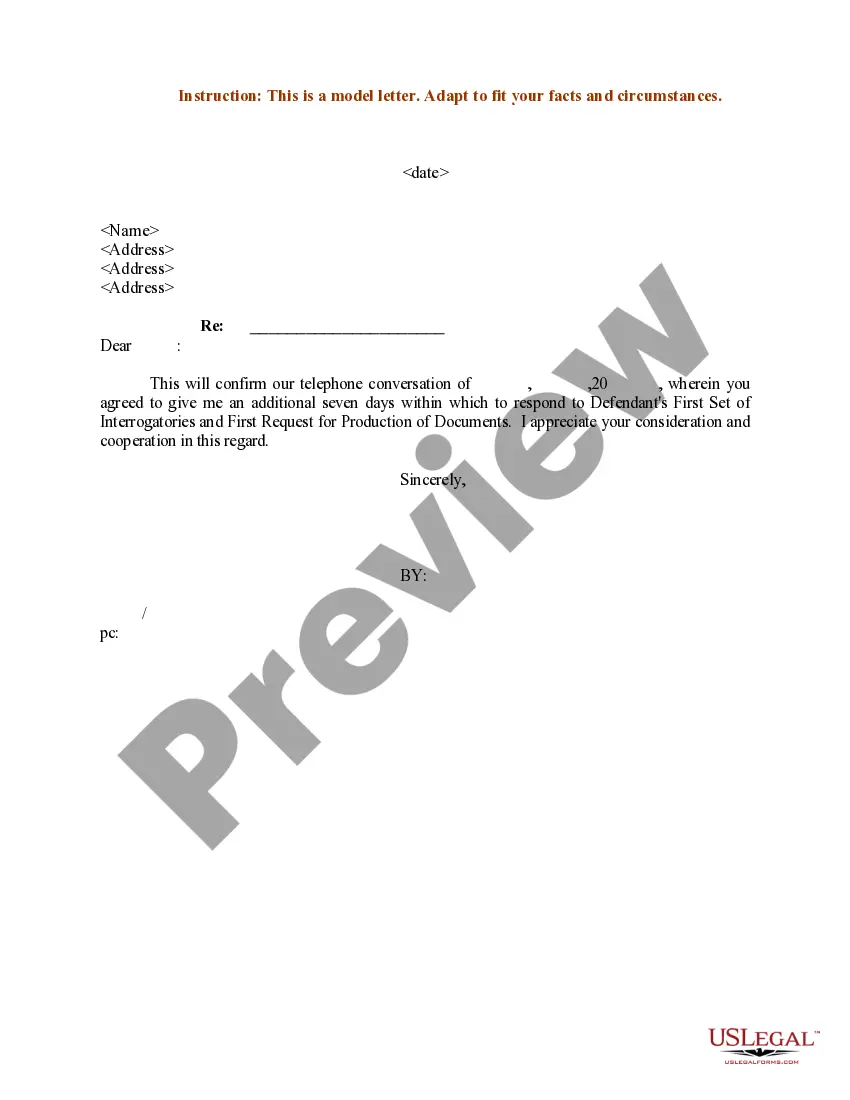
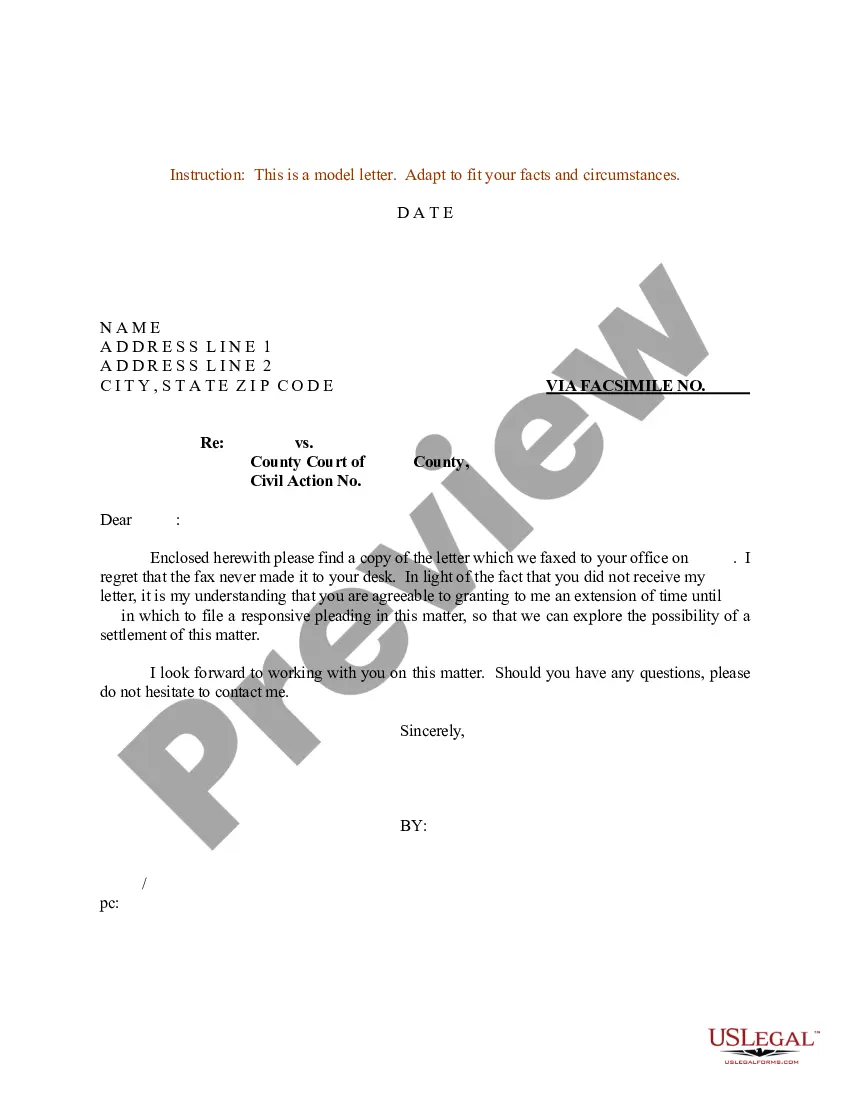
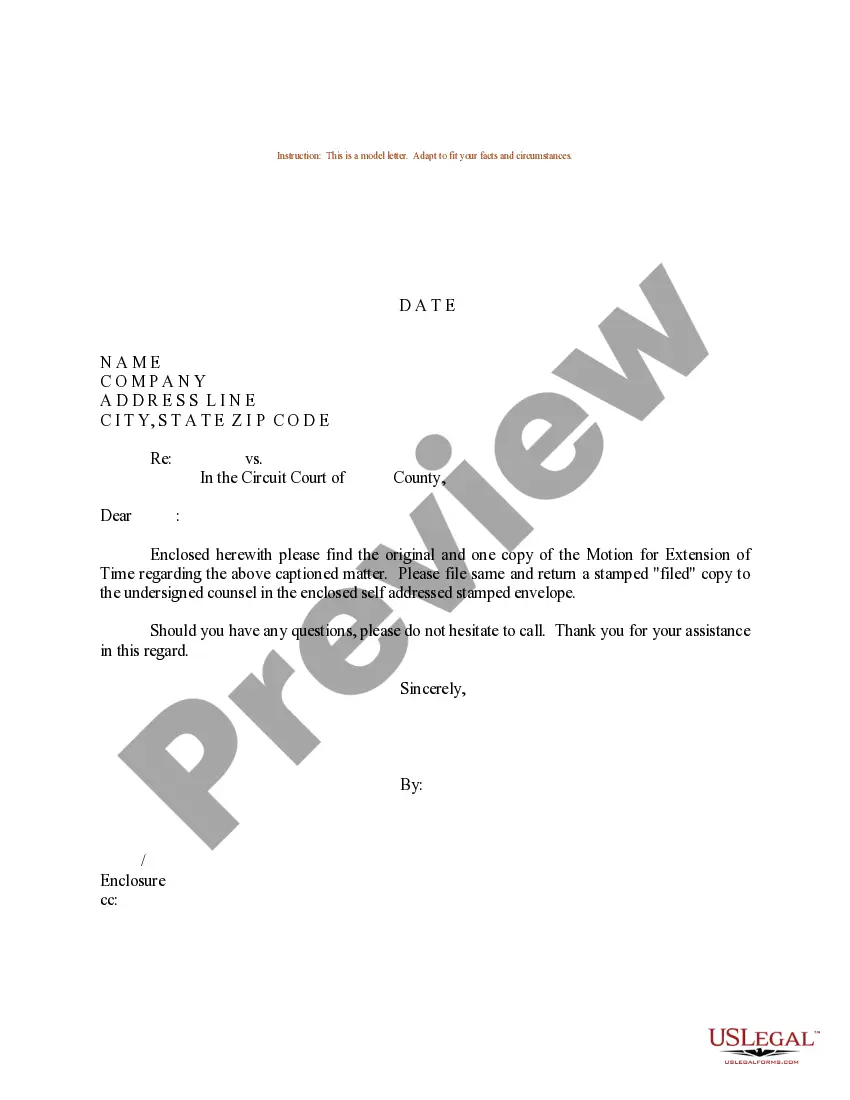
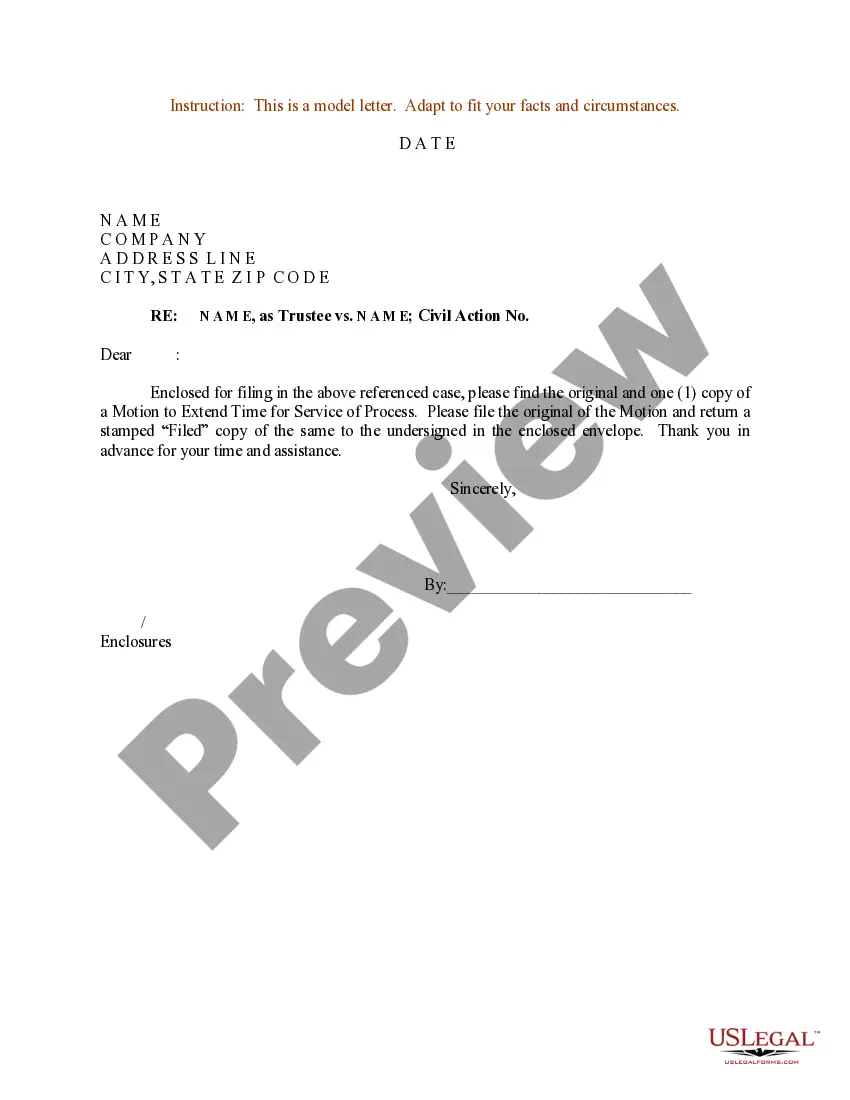
Get your form ready online
Our built-in tools help you complete, sign, share, and store your documents in one place.
Make edits, fill in missing information, and update formatting in US Legal Forms—just like you would in MS Word.
Download a copy, print it, send it by email, or mail it via USPS—whatever works best for your next step.
Sign and collect signatures with our SignNow integration. Send to multiple recipients, set reminders, and more. Go Premium to unlock E-Sign.
If this form requires notarization, complete it online through a secure video call—no need to meet a notary in person or wait for an appointment.
We protect your documents and personal data by following strict security and privacy standards.

Make edits, fill in missing information, and update formatting in US Legal Forms—just like you would in MS Word.

Download a copy, print it, send it by email, or mail it via USPS—whatever works best for your next step.

Sign and collect signatures with our SignNow integration. Send to multiple recipients, set reminders, and more. Go Premium to unlock E-Sign.

If this form requires notarization, complete it online through a secure video call—no need to meet a notary in person or wait for an appointment.

We protect your documents and personal data by following strict security and privacy standards.
Looking for another form?

Form popularity
FAQ
Draft your pleading on legal paper and include your identifying information and a caption that states the involved parties and case number. Draft the body with numbered paragraphs, double spacing, clear headings, and page numbers. Include a certificate of service in your submission.
A lawsuit begins when the person bringing the suit files a complaint. This first step begins what is known as the pleadings stage of the suit. Pleadings are certain formal documents filed with the court that state the parties' basic positions. Common pre-trial pleadings include: Complaint (or petition or bill).
The pleading serves to provide notice to the defendant that there will be a lawsuit against the defendant regarding a specific controversy or controversies. Furthermore, the pleading stage provides notice to both parties of the intention of the opposing party regarding the lawsuit.
Pleading is one of the first stages of a lawsuit. In a pleading, the parties formally submit their claims and the defenses against the opposition's claims.
(1) A pleading is any written document filed by a party alleging its claim, its response to a claim, or its request for specific relief or action. (2) All pleadings must be in writing, must be filed as required in §17.3 of this title (relating to Filing of Documents), and must be served on all parties of record.
The purpose of the pleadings is mostly to give notice as to the claim and the grounds for relief. "A complaint should not be dismissed for failure to state a claim unless it appears beyond doubt that the plaintiff can prove no set of facts in support of his claim which would entitle him to relief.
There are several different types of pleadings in civil procedures, but all of them include the basic demand and response structure: Complaints. Answers to a complaint. Counterclaims. Answers to a counterclaim. Crossclaims. Answers to a crossclaim. Third-party complaints. Third-party complaint answers.
There are several types of pleadings in civil litigation. These include complaints, which serve as the basis of the legal action, and answers, which are the responses to the complaints. There may also be counterclaims, crossclaims, and third-party claims, which are also types of pleadings.
The 3 Vital Elements of Pleading A short statement of the grounds on which the court's jurisdiction depends. A short statement of the claims that the plaintiff or pleader is entitled to. The demand for judgment for the relief the plaintiff or pleader seeks.

