Confirmation Letter Sample For Audit In Queens
Description


Form popularity
FAQ
Here is how to write a confirmation email in 10 steps: Specify the recipients. Add the email addresses of the recipient or recipients in the email address bar. Write a subject line. Craft a greeting. State the purpose of the email. List the details. Request additional information. Ask questions. Express gratitude.
Here's how to ask for confirmation in an email sample. Hi (Recipient's name), I sent you a message on (date) about (whatever you're asking about). Please confirm that you have received this message and let me know if you can attend.
Dear customer's name, Thank you for placing an order with your company name. We are pleased to confirm the receipt of your order # order number, dated order date. Your order is now being processed and we will ensure its prompt dispatch.
Professional Reply Acknowledge the Email. Start your reply by acknowledging the audit confirmation request. Provide the Requested Information. Clarify Any Discrepancies (If Applicable) ... Offer Further Assistance. End with a Professional Closing.
| Tinh Huynh. Audit confirmations are information requests, typically distributed by email or through secure portals, in which accountants ask third parties to confirm information provided by the company being audited.
How should you respond to audit queries? The first rule is DO NOT LIE! Simply answer the question you have been asked. If the auditor needs more information, they can come back to you with follow up questions. There is nothing to be gained from lying to auditors of any kind and much to be lost.
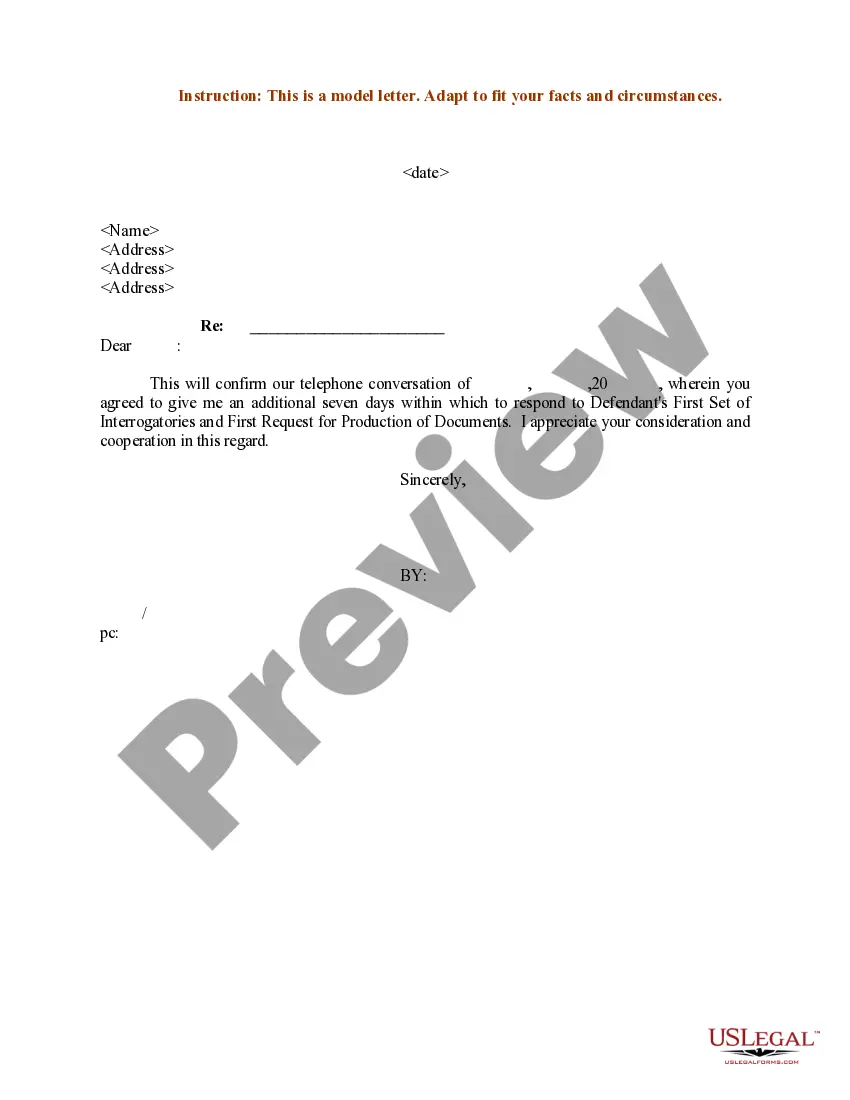
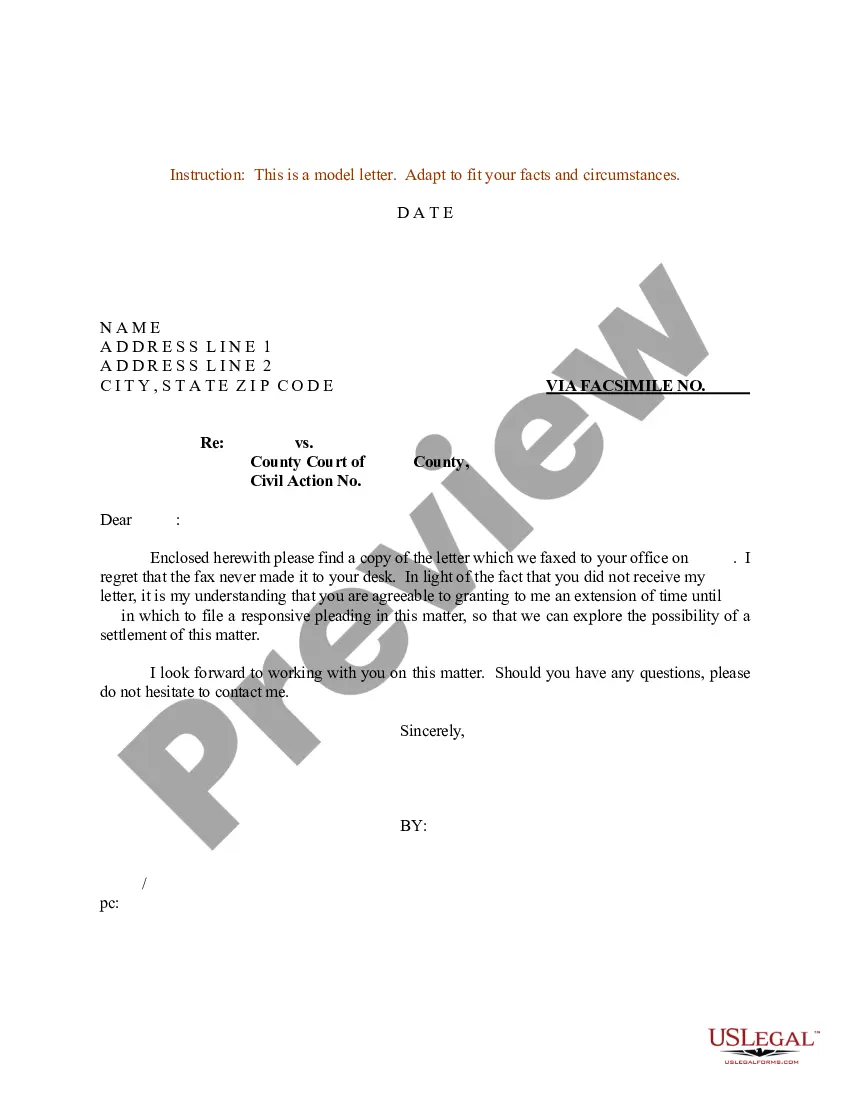
If you need to write a confirmation letter, here are five helpful steps you can use to write your own: Include a letter header. Start with an explanation. Add detailed information. Highlight attachments. End with a supportive statement.
| Tinh Huynh. Audit confirmations are information requests, typically distributed by email or through secure portals, in which accountants ask third parties to confirm information provided by the company being audited.
The Legal Confirmation Process In coordination with the client, auditors prepare an audit inquiry or legal representation letter. The letter is signed by the client, and the auditor must then control delivery of the letter to the law firm.
Although written confirmations are still permitted, auditors routinely use electronic confirmations today. These may be in the form of an email submitted directly to the respondent by the auditor or a request submitted through a designated third-party provider.

