Pleading Format In Salt Lake
Description





Form popularity
FAQ
Small Claims court is less formal, and you do not need an attorney to represent you. The filing fees are due at the time you file the affidavit.
Utah Code Annotated §78A-2-301;Filing Fees - Effective July 1, 2023 Type of Filing, Action, or ServiceSubsectionFee Greater than $2,000 and less than $7,500 Subsection (1)(c)(ii) $100.00 $7,500 up to $15,000 Subsection (1)(c)(iii) $185.00 Small Claims Counter Affidavit $2,000 or less Subsection (1)(e)(i) $50.0058 more rows
A: It usually takes at least 45 days to get a judgment in Small Claims Court. The plaintiff files an affidavit with the court clerk. The clerk schedules a hearing and writes that date on the plaintiff's affidavit. Then the affidavit with that hearing date must be served on the defendant.
You also may want to observe a live trial. Courthouses are public buildings and courtrooms are open to the public.
(5) Limits on standard fact discovery. TierAmount of DamagesTotal Fact Deposition Hours 1 $50,000 or less 3 2 More than $50,000 and less than $300,000 or non-monetary relief 15 3 $300,00 or more 30 4 Domestic relations actions 4
Federal case files are maintained electronically and are available through the internet-based Public Access to Court Electronic Records (PACER) service. PACER allows anyone with an account to search and locate appellate, district, and bankruptcy court case and docket information. Register for a PACER account.
Federal case files are maintained electronically and are available through the internet-based Public Access to Court Electronic Records (PACER) service. PACER allows anyone with an account to search and locate appellate, district, and bankruptcy court case and docket information. Register for a PACER account.
Anyone can access PACER to view federal court records, but first you need to register for a PACER account.
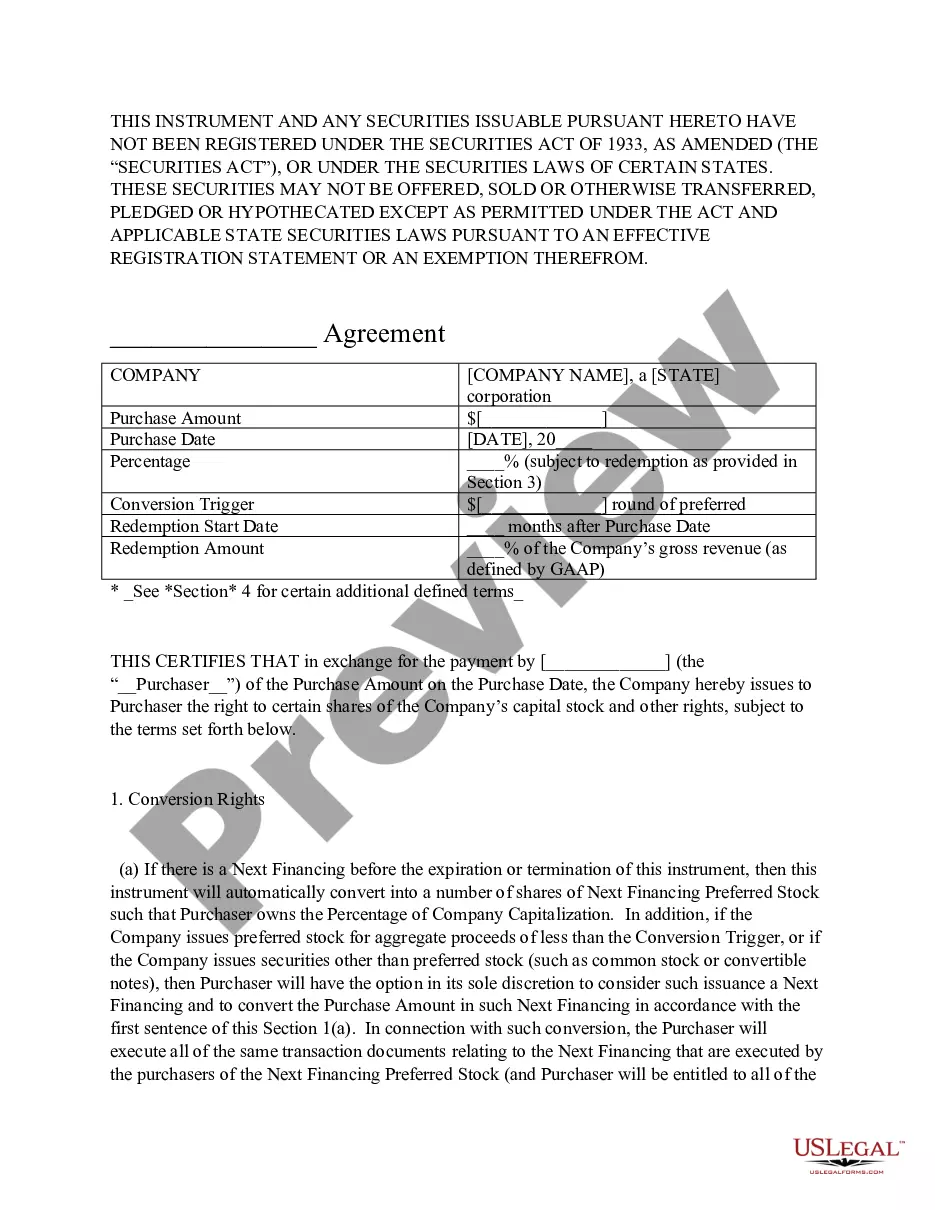
“Pleading paper” is the format required for filing documents in court when there is no pre-printed form available. This pleading paper is blank and can be used anywhere 28-line paper is accepted. Check your court's local rules for other format requirements such as fonts, font size, and line spacing.
Under the Utah Court Record Rule (4–202.02), criminal court records not sealed or expunged are public records, and can be viewed, inspected, and copied by citizens pertinent to their rights.

