Pleading With In Virginia
Description
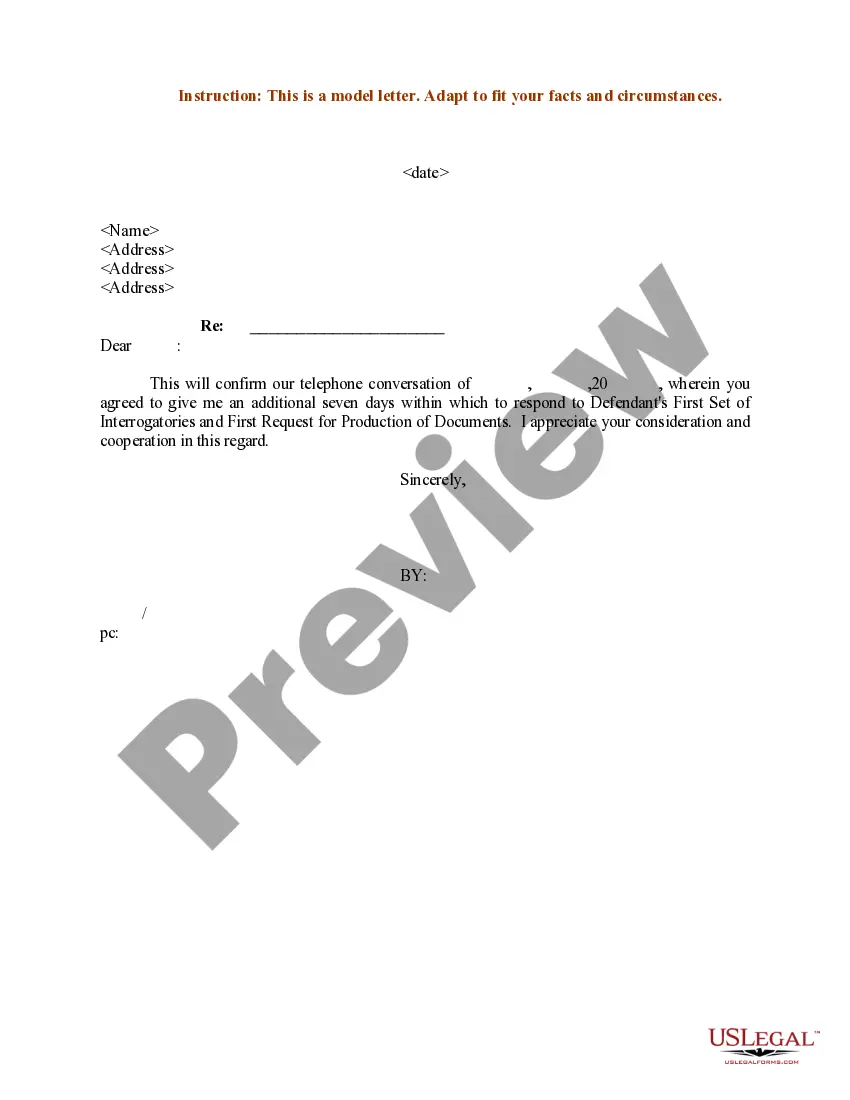
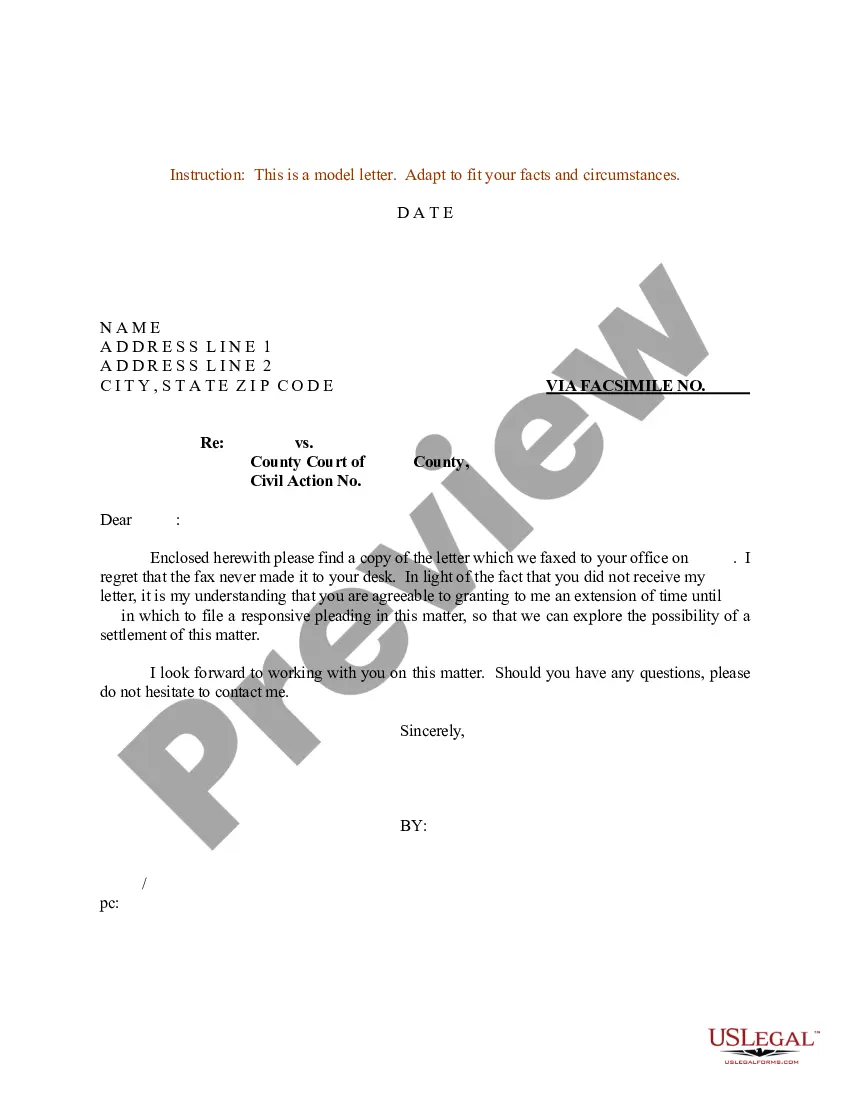
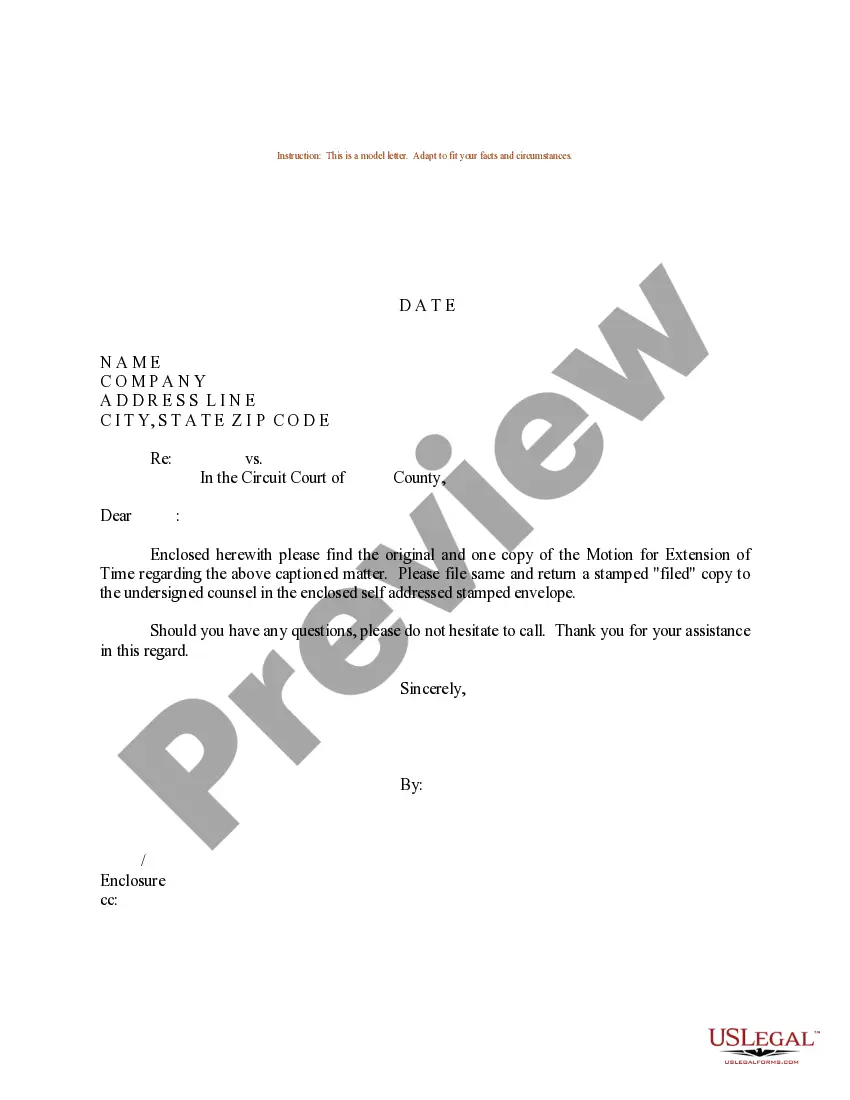
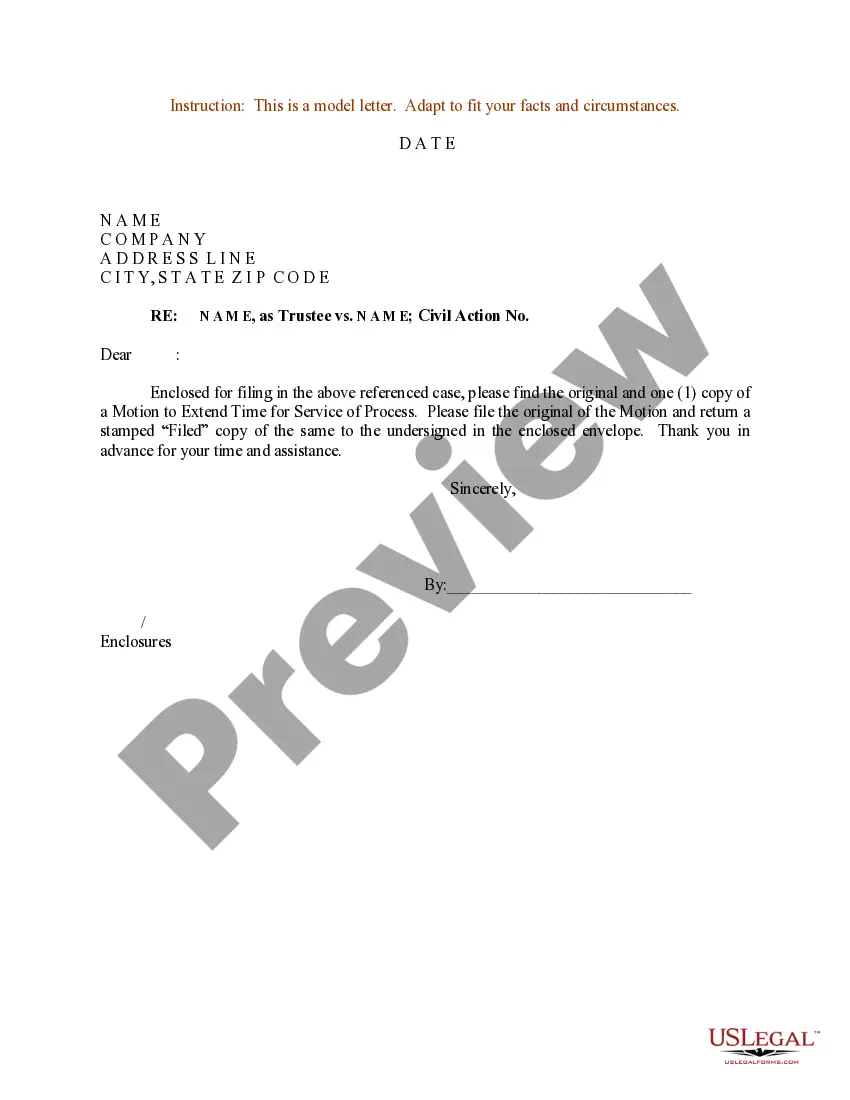
Get your form ready online
Our built-in tools help you complete, sign, share, and store your documents in one place.
Make edits, fill in missing information, and update formatting in US Legal Forms—just like you would in MS Word.
Download a copy, print it, send it by email, or mail it via USPS—whatever works best for your next step.
Sign and collect signatures with our SignNow integration. Send to multiple recipients, set reminders, and more. Go Premium to unlock E-Sign.
If this form requires notarization, complete it online through a secure video call—no need to meet a notary in person or wait for an appointment.
We protect your documents and personal data by following strict security and privacy standards.
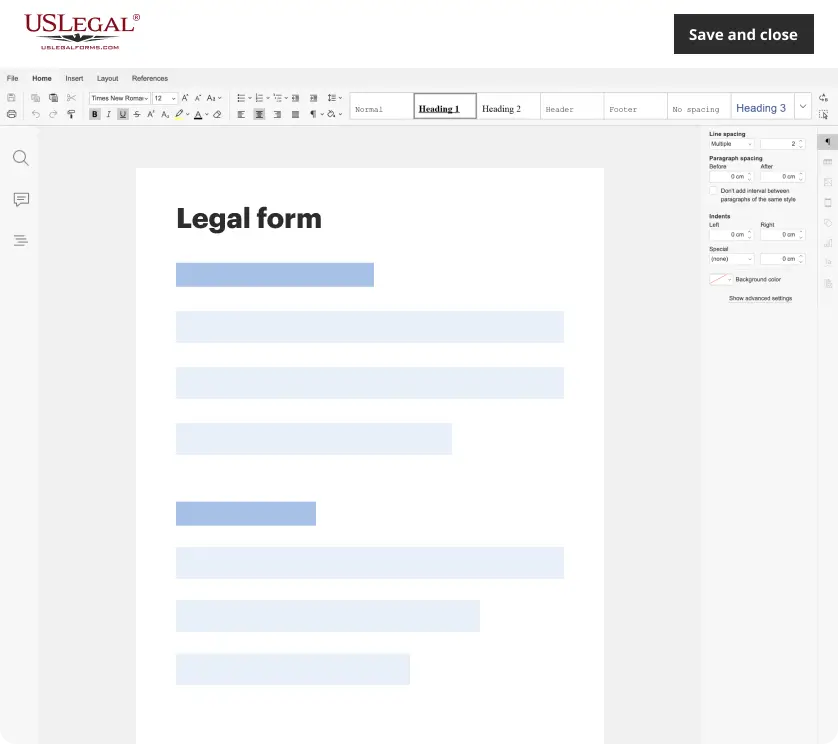
Make edits, fill in missing information, and update formatting in US Legal Forms—just like you would in MS Word.
Download a copy, print it, send it by email, or mail it via USPS—whatever works best for your next step.
Sign and collect signatures with our SignNow integration. Send to multiple recipients, set reminders, and more. Go Premium to unlock E-Sign.

If this form requires notarization, complete it online through a secure video call—no need to meet a notary in person or wait for an appointment.
We protect your documents and personal data by following strict security and privacy standards.
Looking for another form?
Form popularity
FAQ
Rule . — All final judgments, orders, and decrees, irrespective of terms of court, remain under the control of the trial court and may be modified, vacated, or suspended for twenty-one days after the date of entry, and no longer.
(1) Unless the court upon motion, for the convenience of parties and witnesses and in the interests of justice, orders otherwise, methods of discovery may be used in any sequence and the fact that a party is conducting discovery, whether by deposition or otherwise, shall not operate to delay any other party's discovery ...
A plea in bar is a pleading which alleges a single state of facts or circumstances (usually not disclosed or disclosed only in part by the complaint) which, if proven, constitutes an absolute bar to a claim or claims.
1.4 Communication. A lawyer shall keep a client reasonably informed about the status of a matter and promptly comply with reasonable requests for information. A lawyer shall explain a matter to the extent reasonably necessary to permit the client to make informed decisions regarding the representation.
All motions in writing, including a motion for a bill of particulars and a motion to dismiss, whether filed in paper document format or as electronic or digitally imaged filings, are pleadings.
No party shall serve upon any other party, at any one time or cumulatively, more than thirty written interrogatories, including all parts and sub-parts without leave of court for good cause shown.
There are several types of pleadings in civil litigation. These include complaints, which serve as the basis of the legal action, and answers, which are the responses to the complaints. There may also be counterclaims, crossclaims, and third-party claims, which are also types of pleadings.
There are several types of pleadings in civil litigation. These include complaints, which serve as the basis of the legal action, and answers, which are the responses to the complaints. There may also be counterclaims, crossclaims, and third-party claims, which are also types of pleadings.
The 3 Vital Elements of Pleading A short statement of the grounds on which the court's jurisdiction depends. A short statement of the claims that the plaintiff or pleader is entitled to. The demand for judgment for the relief the plaintiff or pleader seeks.

