Annual Meeting Do For Hoa In Chicago
Description


Get your form ready online
Our built-in tools help you complete, sign, share, and store your documents in one place.
Make edits, fill in missing information, and update formatting in US Legal Forms—just like you would in MS Word.
Download a copy, print it, send it by email, or mail it via USPS—whatever works best for your next step.
Sign and collect signatures with our SignNow integration. Send to multiple recipients, set reminders, and more. Go Premium to unlock E-Sign.
If this form requires notarization, complete it online through a secure video call—no need to meet a notary in person or wait for an appointment.
We protect your documents and personal data by following strict security and privacy standards.

Make edits, fill in missing information, and update formatting in US Legal Forms—just like you would in MS Word.

Download a copy, print it, send it by email, or mail it via USPS—whatever works best for your next step.

Sign and collect signatures with our SignNow integration. Send to multiple recipients, set reminders, and more. Go Premium to unlock E-Sign.

If this form requires notarization, complete it online through a secure video call—no need to meet a notary in person or wait for an appointment.

We protect your documents and personal data by following strict security and privacy standards.
Looking for another form?


Form popularity
FAQ
DON'T: Include every detail. HOA meeting minutes are a record of the actions taken by board members at a meeting—not a complete transcript of what was said and opinions that were expressed.
The minutes should include the point that was discussed and the decision that was reached. Avoid making personal observations or opinions. Don't make your own comments. Stick to just the facts.
Conducting an HOA Meeting Start the meeting on time. Begin with a roll call to ensure all Board members are present. Discuss the items on the agenda in the order they are listed. Encourage all members to participate in the discussion. Stay on topic and avoid discussing items that are not on the agenda.
Report on specific dialogue or personal opinions of what was said at the meeting. While some HOA Boards may be tempted to record this information in an effort to be transparent, this is a big no-no. This will also help to keep the length of minutes down. Include homeowner forum topics and discussion in the minutes.
Personal opinions and comments Meeting minutes should be objective and impartial. Avoid including personal opinions, judgments, or comments made by attendees, as these can skew the record and undermine the credibility of the minutes. Focus on recording objective facts, discussions, and decisions.
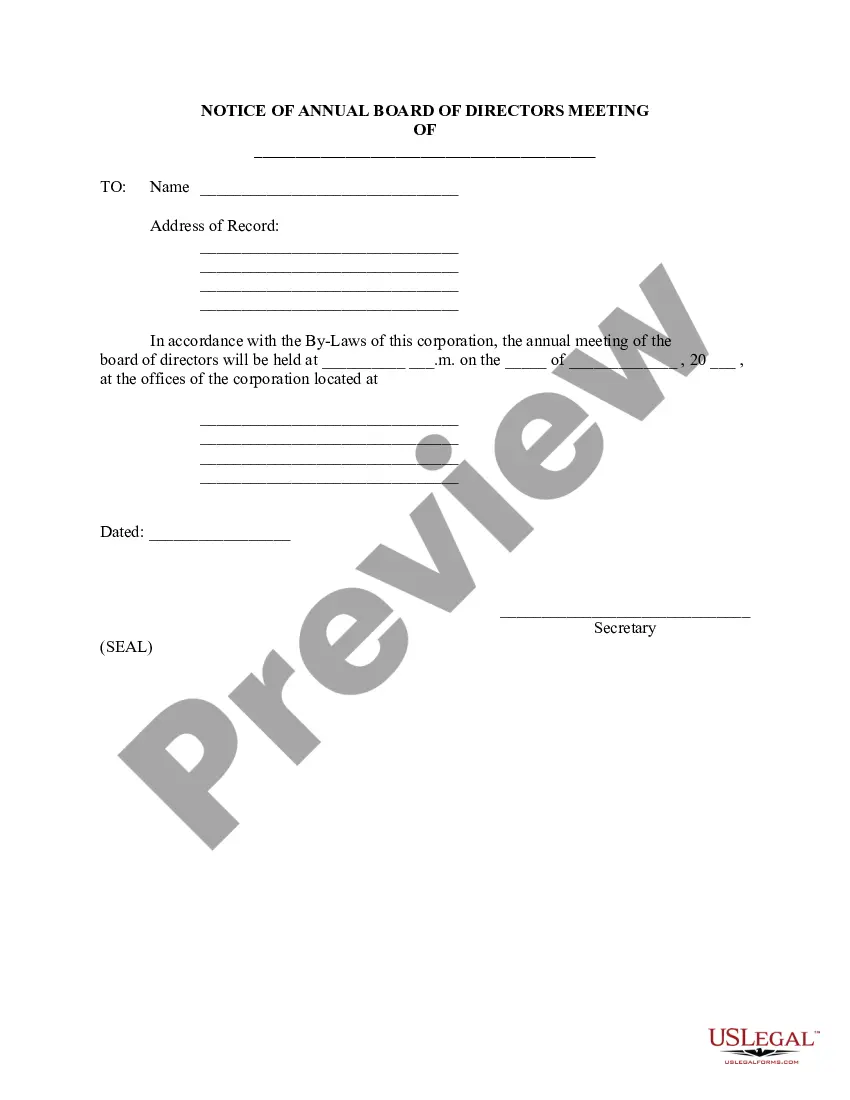
Annual Meeting Attendance of 20% of the voting power constitutes a quorum. Notice of association meetings must be given at least 10 days before a meeting but no more than 30 days, and at least 48 hours' notice must be given for meetings of the board of directors.
Finally, your HOA board meeting minutes should depict all the discussions, motions, and votes that took place. These include the following details: Who made and seconded any motions. Whether or not motions received approval.
However, when you're organizing a typical HOA meeting, you should follow this agenda: Call to Order. Review of Last Meeting's Minutes. Committee Reports. Discussion About Any Unresolved Issues. Discussion About Any New Issues or Projects. Open Forum (Optional) ... Adjournment.
The responsibility for approving meeting minutes typically falls to the governing body of the meeting, such as the board of directors, committee members, or team leads, depending on the organizational structure. Here's how the process typically works: Board of directors.
First, tha Annual Meeting is presumably a meeting of the members. So all members of the HOA get a chance to approve the minutes unless that has been delegated to the board or a committee.

