Board Of Meeting Resolution Format In Travis
Description
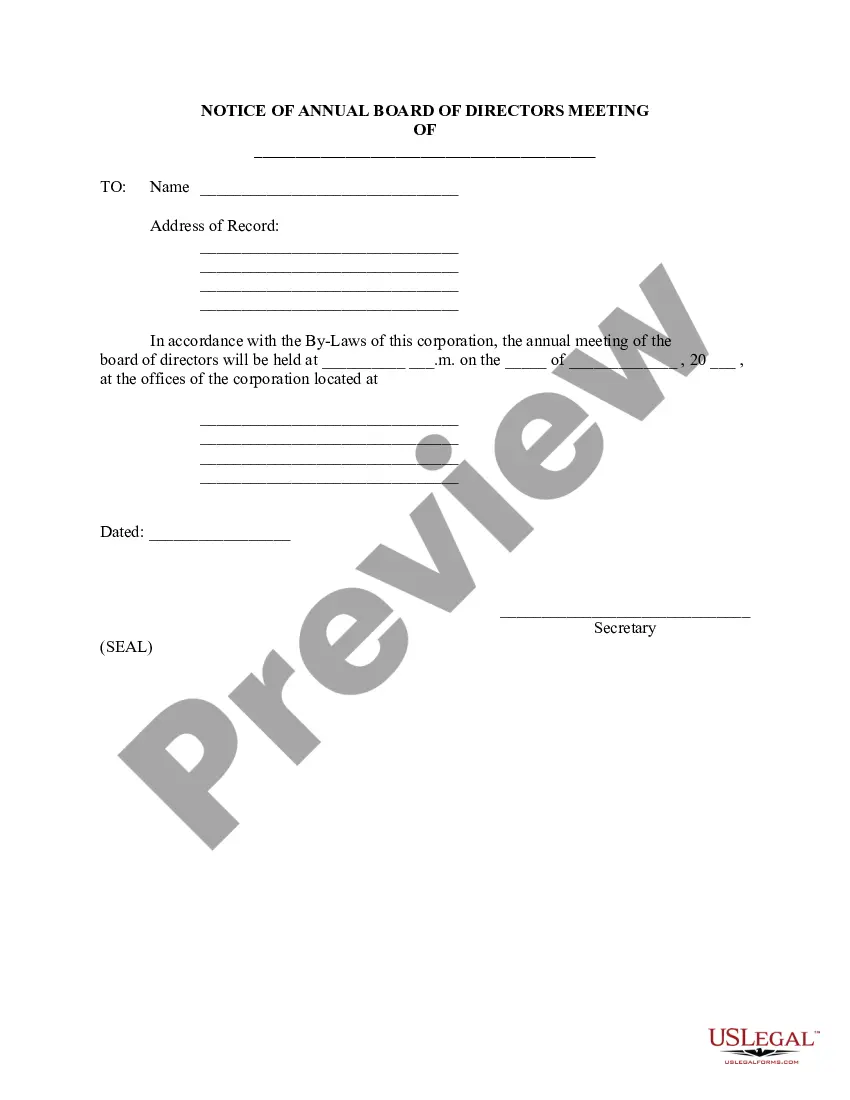



Get your form ready online
Our built-in tools help you complete, sign, share, and store your documents in one place.
Make edits, fill in missing information, and update formatting in US Legal Forms—just like you would in MS Word.
Download a copy, print it, send it by email, or mail it via USPS—whatever works best for your next step.
Sign and collect signatures with our SignNow integration. Send to multiple recipients, set reminders, and more. Go Premium to unlock E-Sign.
If this form requires notarization, complete it online through a secure video call—no need to meet a notary in person or wait for an appointment.
We protect your documents and personal data by following strict security and privacy standards.
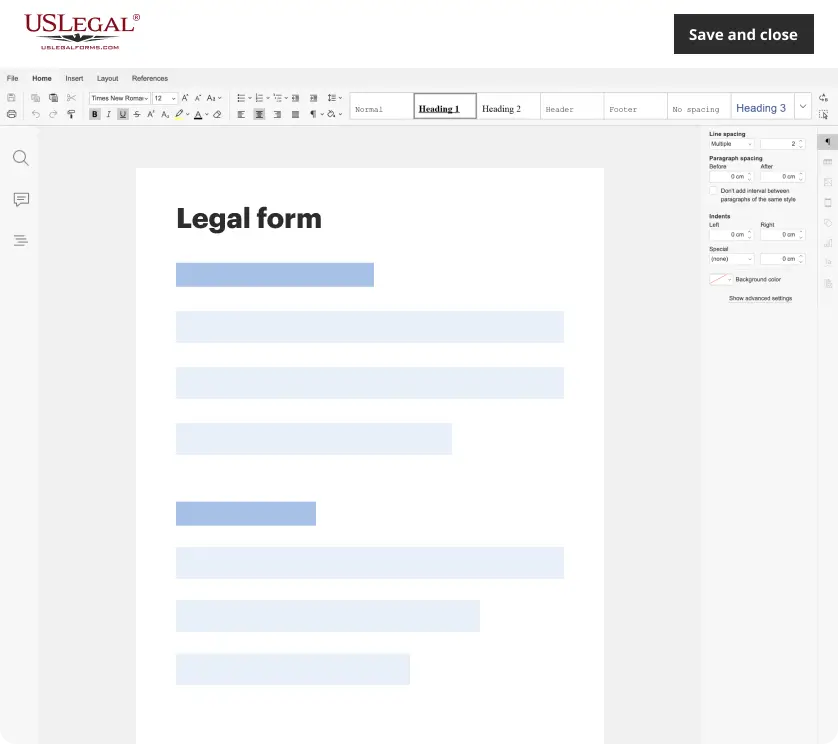
Make edits, fill in missing information, and update formatting in US Legal Forms—just like you would in MS Word.
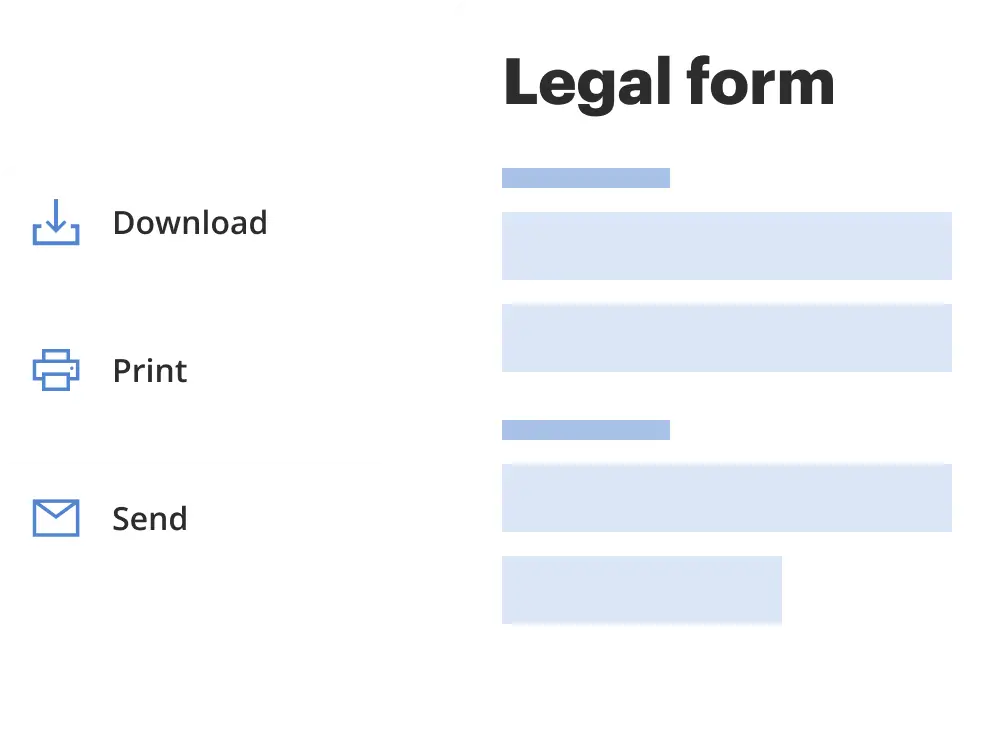
Download a copy, print it, send it by email, or mail it via USPS—whatever works best for your next step.
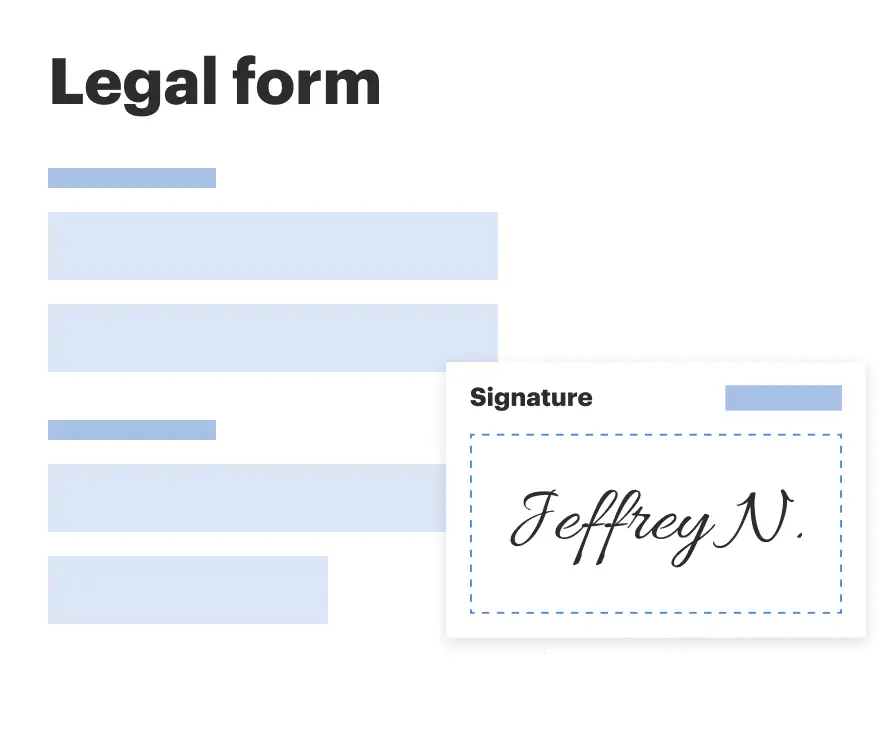
Sign and collect signatures with our SignNow integration. Send to multiple recipients, set reminders, and more. Go Premium to unlock E-Sign.

If this form requires notarization, complete it online through a secure video call—no need to meet a notary in person or wait for an appointment.
We protect your documents and personal data by following strict security and privacy standards.
Looking for another form?

Form popularity
FAQ
How to fill out a resolution of the board of directors? Date, time, and location of the meeting. Title that describes the board's decision to be made. Statement of majority or unanimous decision. Resolution of the decision, including any necessary actions. Officers responsible for carrying out the resolution.
Use formal language to record the resolutions. You will write your board resolutions using “whereas” and “resolved” clauses. “Whereas” statements show the reason for the resolution while “resolved” clauses state the action that will be taken. Your “whereas” statement should lead the reader to the “resolved” clause.
How to fill out a resolution of the board of directors? Date, time, and location of the meeting. Title that describes the board's decision to be made. Statement of majority or unanimous decision. Resolution of the decision, including any necessary actions. Officers responsible for carrying out the resolution.
To write a board resolution, include: Title: Use the title to state that the document is a resolution clearly. Date: This should be the date the resolution is being proposed. Resolution Number: Give the resolution a unique identifier ing to your record-keeping system.
Written resolutions give the directors greater flexibility in making decisions, as the directors don't have to be present at a board meeting. Directors' decisions made by written resolution must be unanimous. This means that all eligible directors, i.e. those entitled to vote, must vote for the same view on a matter.
Ordinary resolution is a resolution passed by simple majority of votes. As provided in sub-section (1) of section 114, a resolution shall be an ordinary resolution if notice of such resolution is duly given and the votes cast in favour of the resolution exceed the votes cast against the resolution, if any.
Resolutions begin with "Whereas" statements, which provides the basic facts and reasons for the resolution, and conclude with "Resolved" statements which, identifies the specific proposal for the requestor's course of action.
The following steps will guide you through the process of writing a board resolution: Put the date and resolution number at the top. If it's the board's first resolution, you can number it however you wish. Consider using something like 0001 and then give all future resolutions a consecutive number.
The body of a resolution is written as a long sentence, and starts with the name of the committee, followed by a comma. The remainder of the body of a resolution is divided into two parts: preambulatory clauses and operative clauses.
How to Write a Strong Resolution Identify your genre. Different genres contain different kinds of expectations for the resolution of a story. Wrap up your plot. Resolve your main character's arc. Clarify your story's theme. Experiment with different resolution styles.

