Notice Of Satisfaction Maryland In Harris
Description

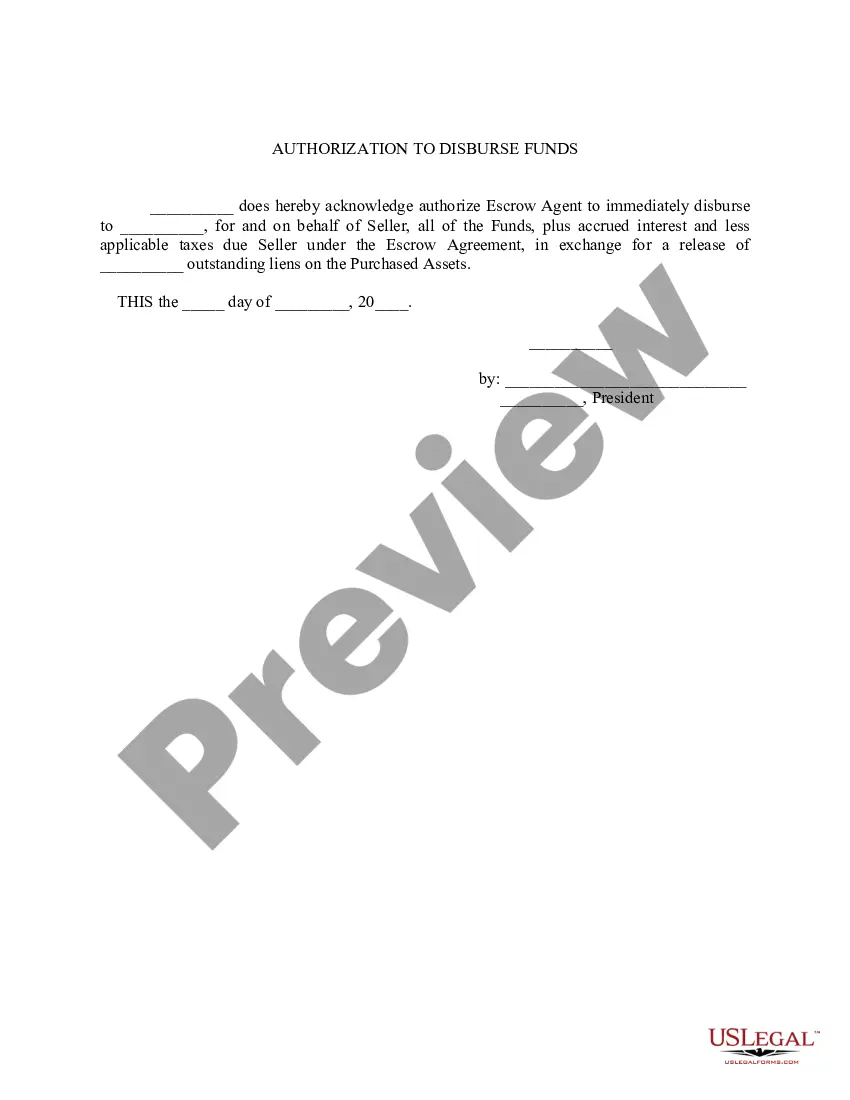
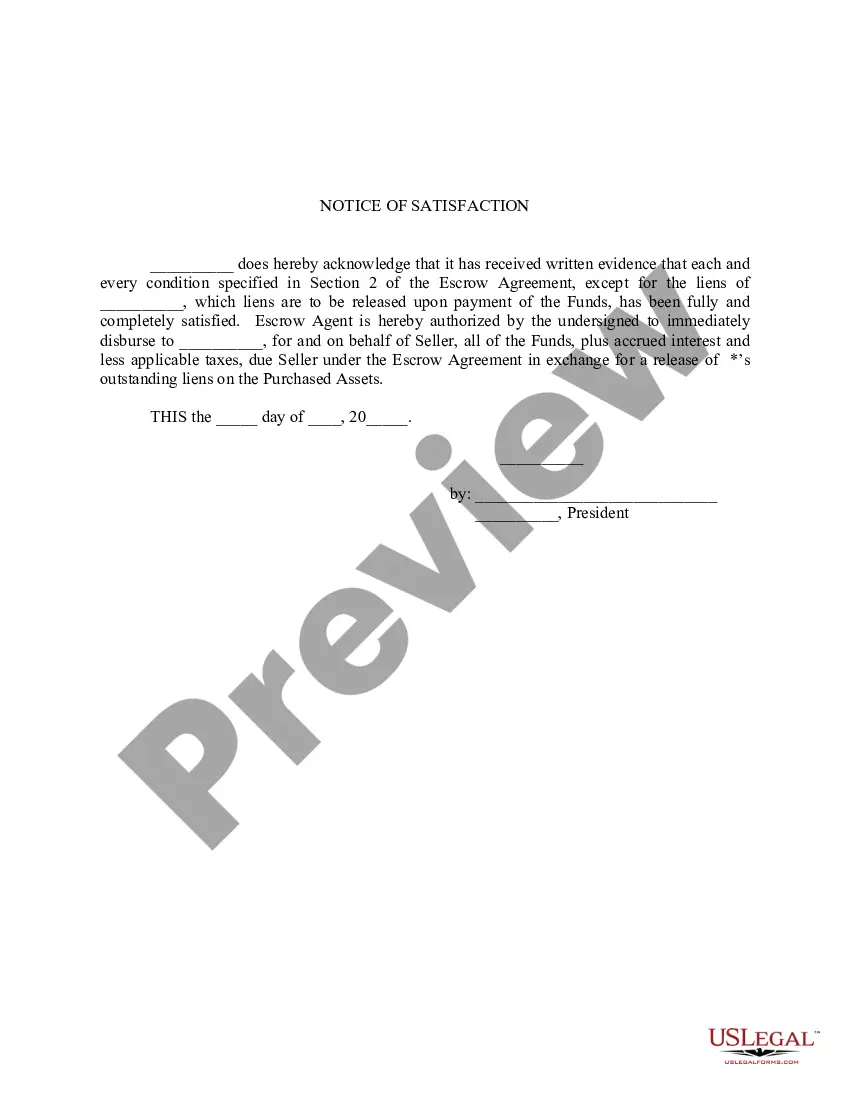
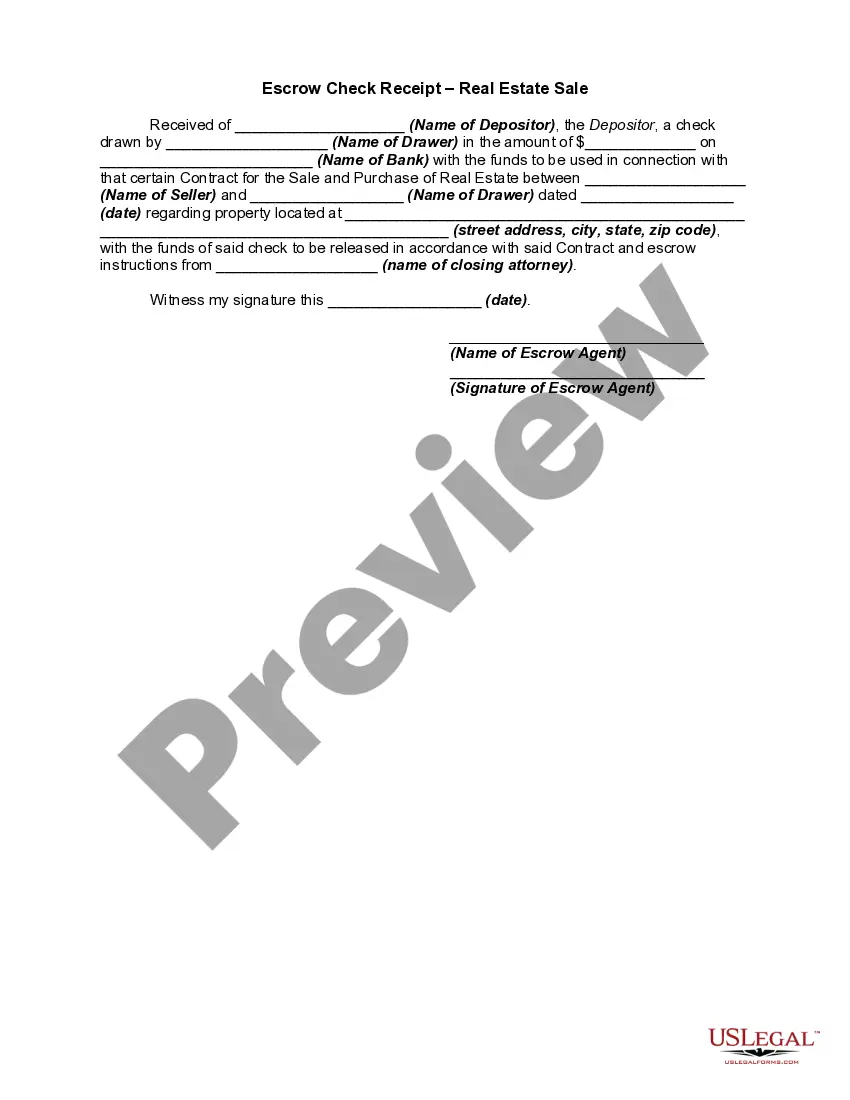
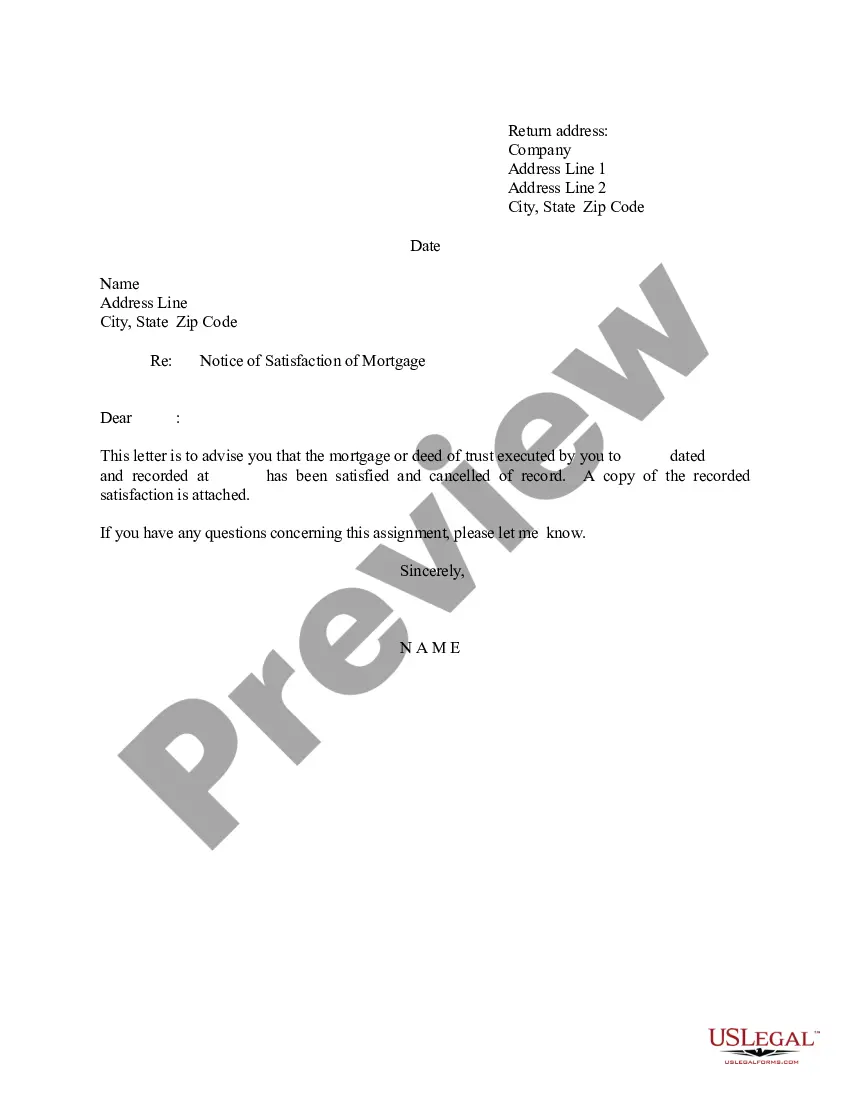
Get your form ready online
Our built-in tools help you complete, sign, share, and store your documents in one place.
Make edits, fill in missing information, and update formatting in US Legal Forms—just like you would in MS Word.
Download a copy, print it, send it by email, or mail it via USPS—whatever works best for your next step.
Sign and collect signatures with our SignNow integration. Send to multiple recipients, set reminders, and more. Go Premium to unlock E-Sign.
If this form requires notarization, complete it online through a secure video call—no need to meet a notary in person or wait for an appointment.
We protect your documents and personal data by following strict security and privacy standards.

Make edits, fill in missing information, and update formatting in US Legal Forms—just like you would in MS Word.

Download a copy, print it, send it by email, or mail it via USPS—whatever works best for your next step.

Sign and collect signatures with our SignNow integration. Send to multiple recipients, set reminders, and more. Go Premium to unlock E-Sign.

If this form requires notarization, complete it online through a secure video call—no need to meet a notary in person or wait for an appointment.

We protect your documents and personal data by following strict security and privacy standards.
Looking for another form?
Form popularity
FAQ
A party whose judgment has been amended on a motion to amend the judgment may file a motion for new trial within ten days after entry of the amended judgment.
It means that whatever was being garnished, wages or bank accounts, are no longer subject to the writ of garnishment.
A garnishee can oppose the garnishment by filing a motion with the court. Additionally, if the garnishee files an answer and no further filing is made regarding the writ of garnishment within 120 days, the garnishee can file a notice of intent to terminate the writ of garnishment.
Once the Order of Default is issued, the defendant has 30 days to respond and explain why they did not answer the initial Complaint and/or why the Order of Default should not proceed. If the Defendant does not respond to the Order of Default, the case will be scheduled for an uncontested hearing.
A garnishee can oppose the garnishment by filing a motion with the court. Additionally, if the garnishee files an answer and no further filing is made regarding the writ of garnishment within 120 days, the garnishee can file a notice of intent to terminate the writ of garnishment.
Dear (Creditor's Name), I am writing to formally request the cessation of wage garnishment related to my account number (Your Account Number). Due to (briefly explain your situation, eg, ``a recent job loss'' or ``significant financial hardship''), I am unable to meet my current financial obligations.
Quick Answer. If your wages or bank account have been garnished, you may be able to stop it by paying the debt in full, filing an objection with the court or filing for bankruptcy. If you've stopped paying a debt, your creditor could sue you and try to get a judgment from a court.
Notice of Intention to Defend - This is a form located on the bottom of your summons. Complete the Notice of Intention to Defend if you dispute owing all or some of what the plaintiff claims. The completed form must be returned to the Maryland District Court location listed at the top of your summons.
When proof is made by affidavit that a defendant has acted to evade service, the court may order that service be made by mailing a copy of the summons, complaint, and all other papers filed with it to the defendant at the defendant's last known residence and delivering a copy of each to a person of suitable age and ...
In Maryland, a judgment is only valid for twelve (12) years. If you have not been able to collect your judgment within that time, you will have to renew the judgment to continue your collection efforts. Complete the Request to Renew Judgment (form DC-CV-023) and file it with the court.
