Notice Of Satisfaction Definition In Utah
Description

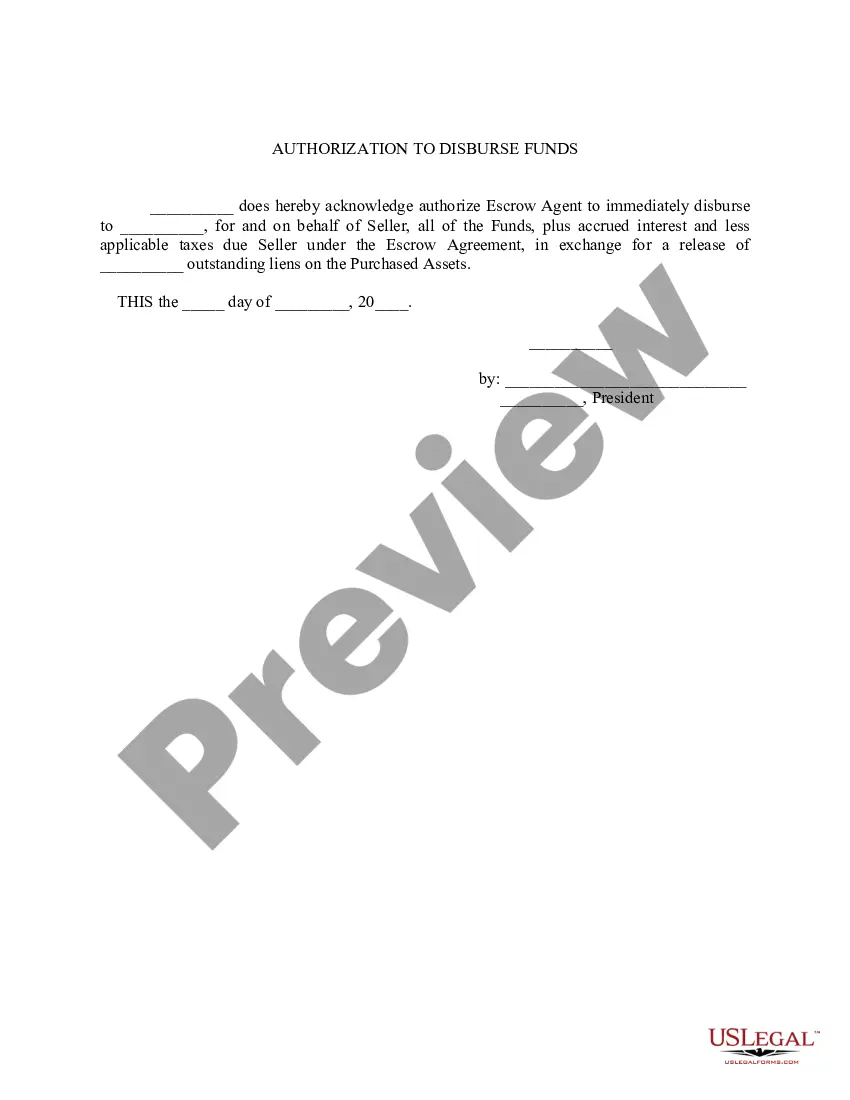
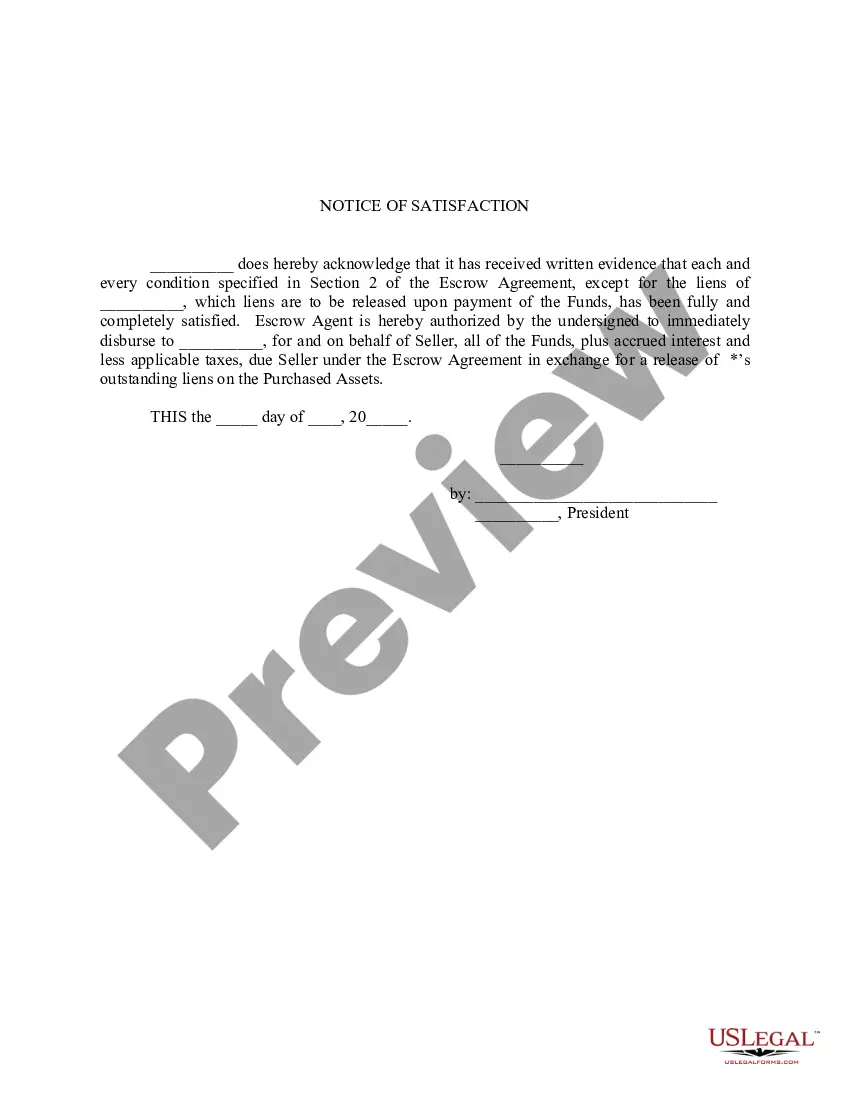
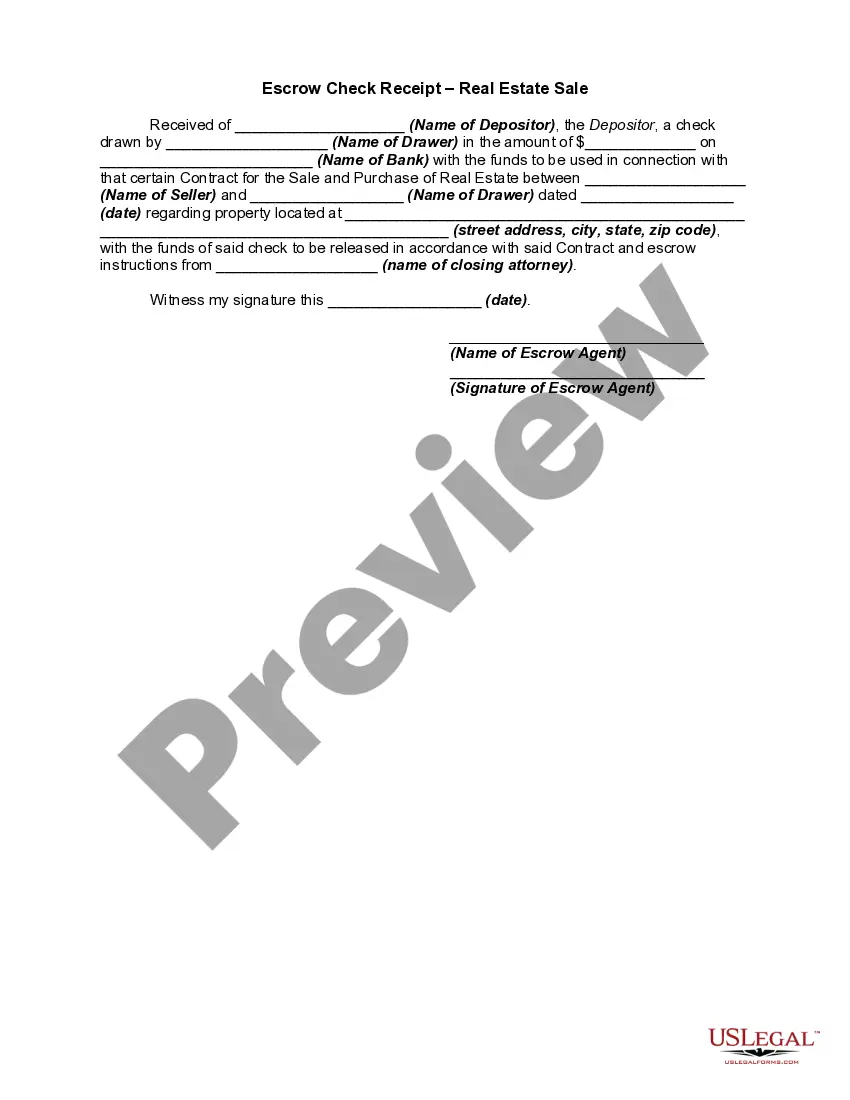
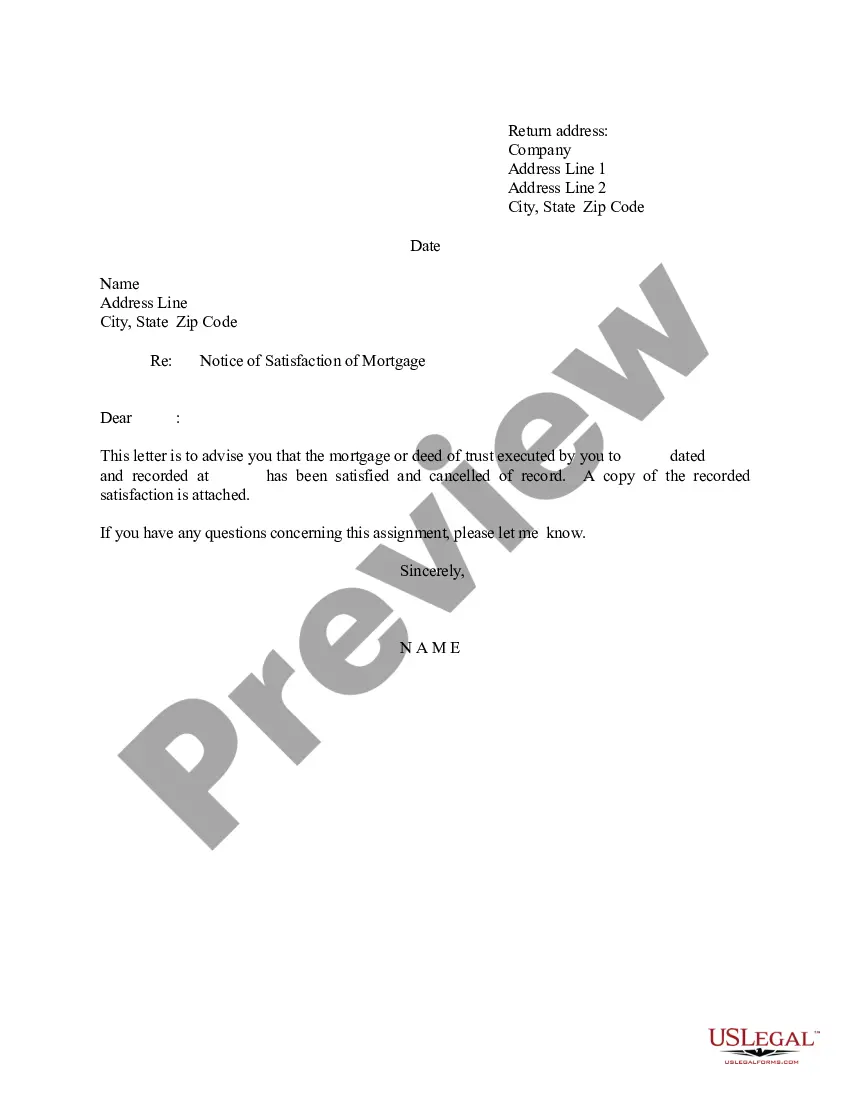
Get your form ready online
Our built-in tools help you complete, sign, share, and store your documents in one place.
Make edits, fill in missing information, and update formatting in US Legal Forms—just like you would in MS Word.
Download a copy, print it, send it by email, or mail it via USPS—whatever works best for your next step.
Sign and collect signatures with our SignNow integration. Send to multiple recipients, set reminders, and more. Go Premium to unlock E-Sign.
If this form requires notarization, complete it online through a secure video call—no need to meet a notary in person or wait for an appointment.
We protect your documents and personal data by following strict security and privacy standards.
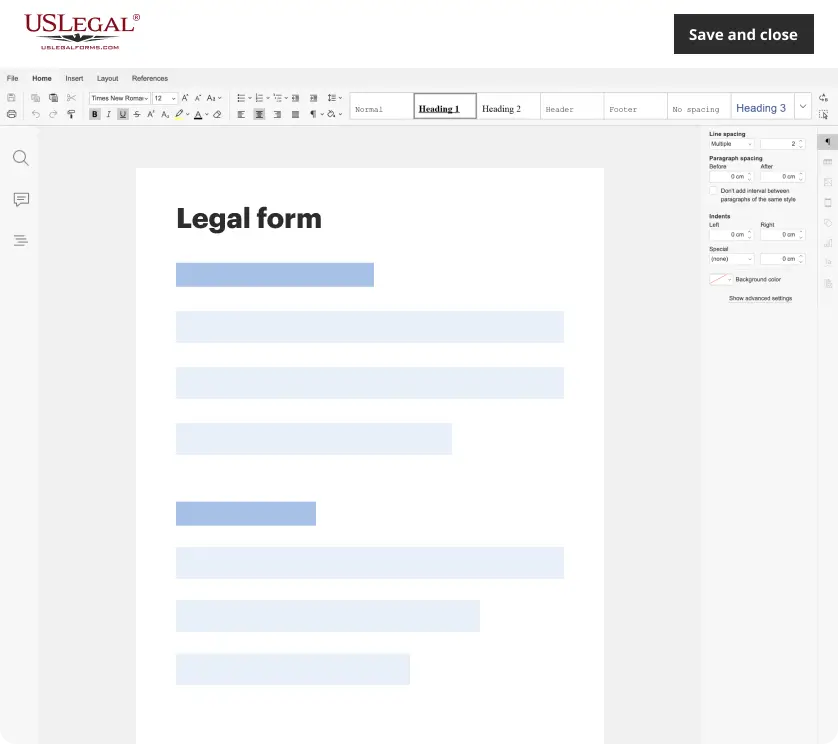
Make edits, fill in missing information, and update formatting in US Legal Forms—just like you would in MS Word.
Download a copy, print it, send it by email, or mail it via USPS—whatever works best for your next step.
Sign and collect signatures with our SignNow integration. Send to multiple recipients, set reminders, and more. Go Premium to unlock E-Sign.

If this form requires notarization, complete it online through a secure video call—no need to meet a notary in person or wait for an appointment.
We protect your documents and personal data by following strict security and privacy standards.
Looking for another form?





Form popularity
FAQ
Satisfaction of a judgment means that the judgment is no longer a lien on the debtor's real property. The courts cannot control the actions of third parties, but usually, the fact of satisfaction is recorded by the major credit reporting agencies and included in the debtor's credit history.
Judgment is a court decision, spelled out in a court order, that adjudicates a dispute between two parties by determining the rights and obligations of each party.
Satisfaction is the fulfillment of an obligation. The term is often used in the context of contract law when one performs their duties under the contract. The term is also often found in the context of judgments in determining whether a party discharged their liability from a judgment.
Rule 25. Substitution of parties. (a) Death. (b) Incompetency. If a party becomes incompetent, the court upon motion served as provided in Subdivision (a) of this rule may allow the action to be continued by or against his representative. (c) Transfer of interest. (d) Public officers; death or separation from office.
(a) Motion. To enforce a court order or to obtain a sanctions order for violation of an order, including in supplemental proceedings under Rule 64, a party must file an ex parte motion to enforce order and for sanctions (if requested), pursuant to this rule and Rule 7.
Here are five tips you may consider following to improve your judgement abilities: Take your time. Allow yourself time to consider your options. Explore alternatives. Consider all of your options before making a decision. Create rules for yourself. Think logically. Talk to someone.
The enforcement process is governed by state law and these laws vary by state. Some states require that a judgment be registered, others require the judgment creditor to file a new civil lawsuit for enforcement or obtain a writ of execution.
