Escrow Agreement Example In Dallas
Description
Form popularity
FAQ
The two essential elements for a valid sale escrow are a binding contract/agreement between buyer and seller and the conditional delivery to a neutral third party of something of value, as defined, which typically includes written instruments of conveyance (grant deed) or encumbrance (deed of trust) and related ...
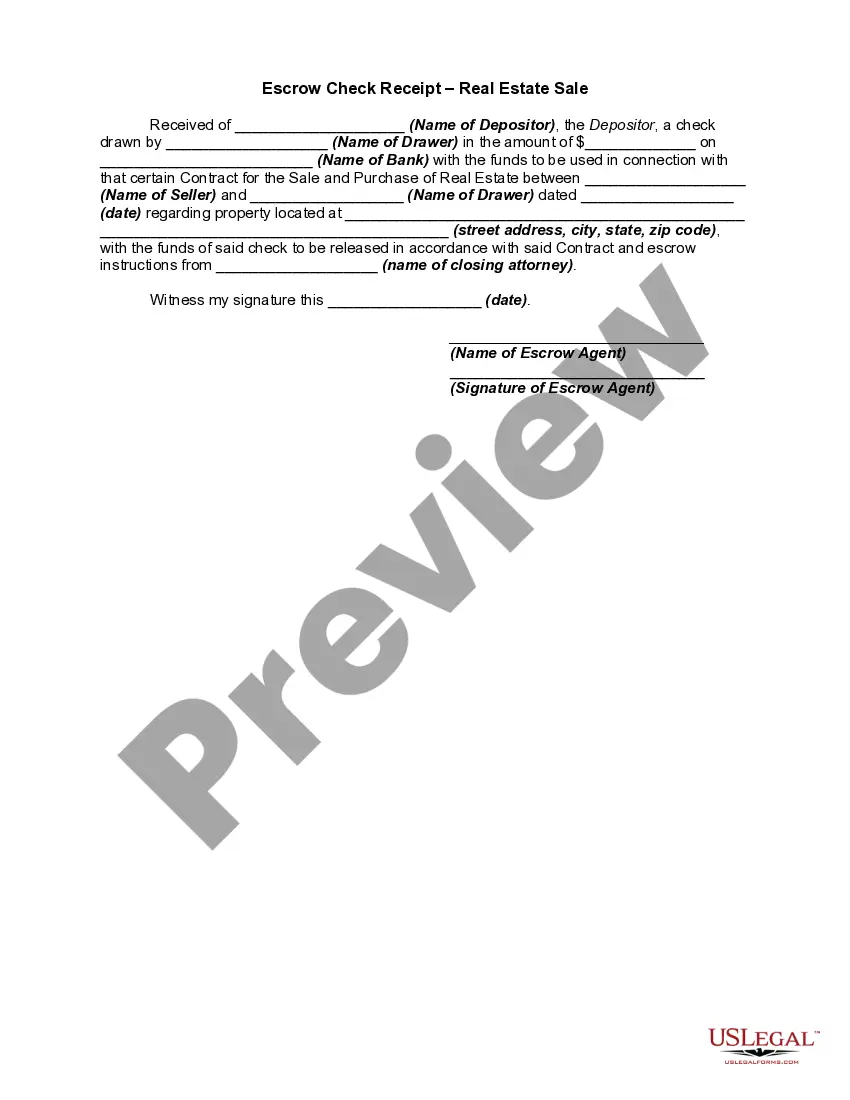
An escrow agreement normally includes information such as: The identity of the appointed escrow agent. Definitions for any expressions pertinent to the agreement. The escrow funds and detailed conditions for the release of these funds.
If you're buying a home, you'll probably hear the word “escrow” used in a few different contexts. Essentially, escrow is a financial arrangement where a neutral third party holds funds or assets on behalf of two parties involved in a transaction until specific conditions are met.
The escrow letter is typically issued by a title company and states that all necessary documents and funds related to the transaction have been received and will be processed when the transaction is completed.
The Escrow Holder: prepares escrow instructions. requests a preliminary title search to determine the present condition of title to the property. requests a beneficiary's statement if debt or obligation is to be taken over by the buyer. complies with lender's requirements, specified in the escrow agreement.
The 3 Requirements of a Valid Escrow The Contract between the Grantor and the Grantee. Delivery of the Deposited Item to a Depositary. Communication of the Agreed Conditions to the Depositary.

